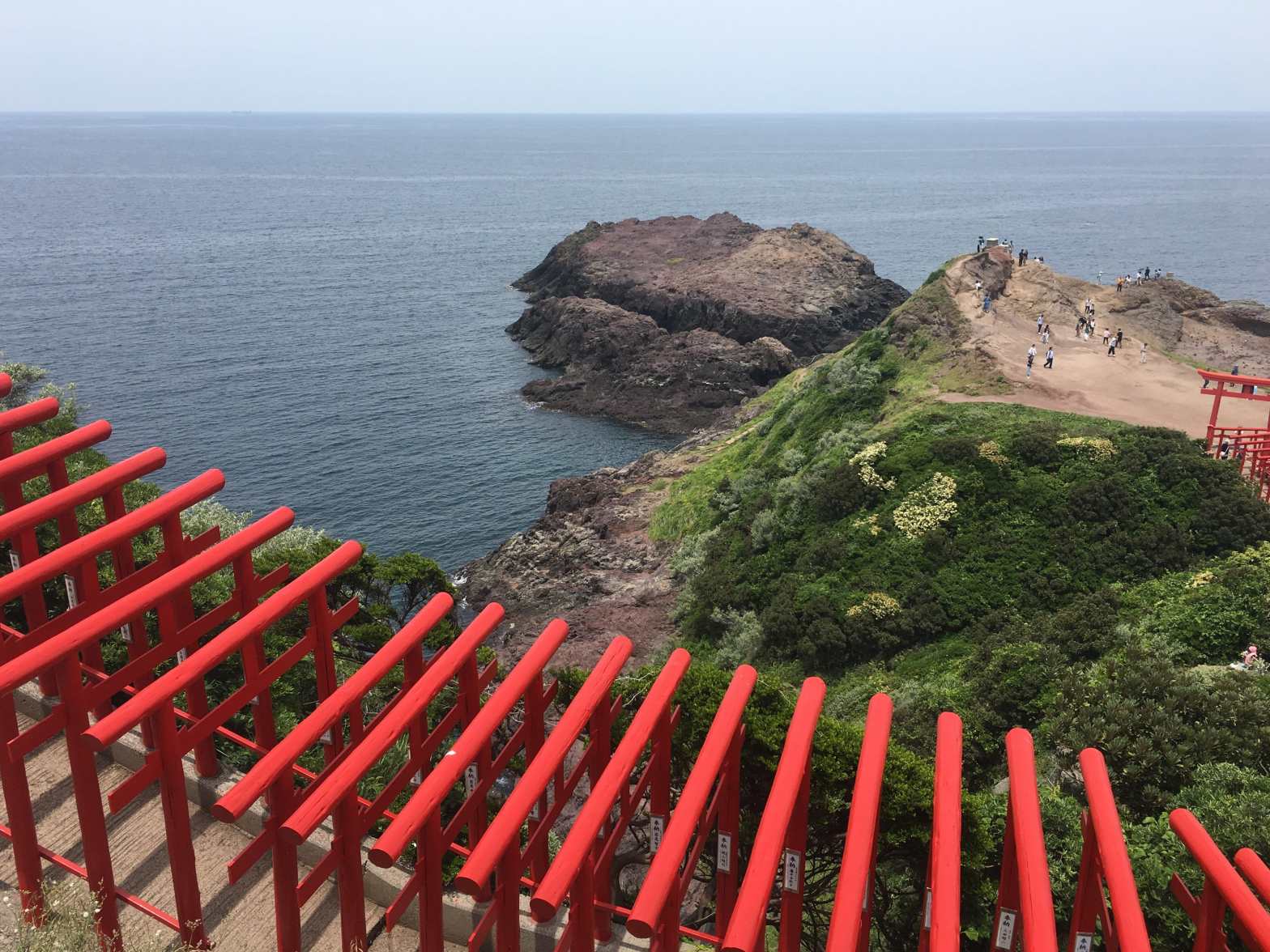
Yamaguchi – May 2019
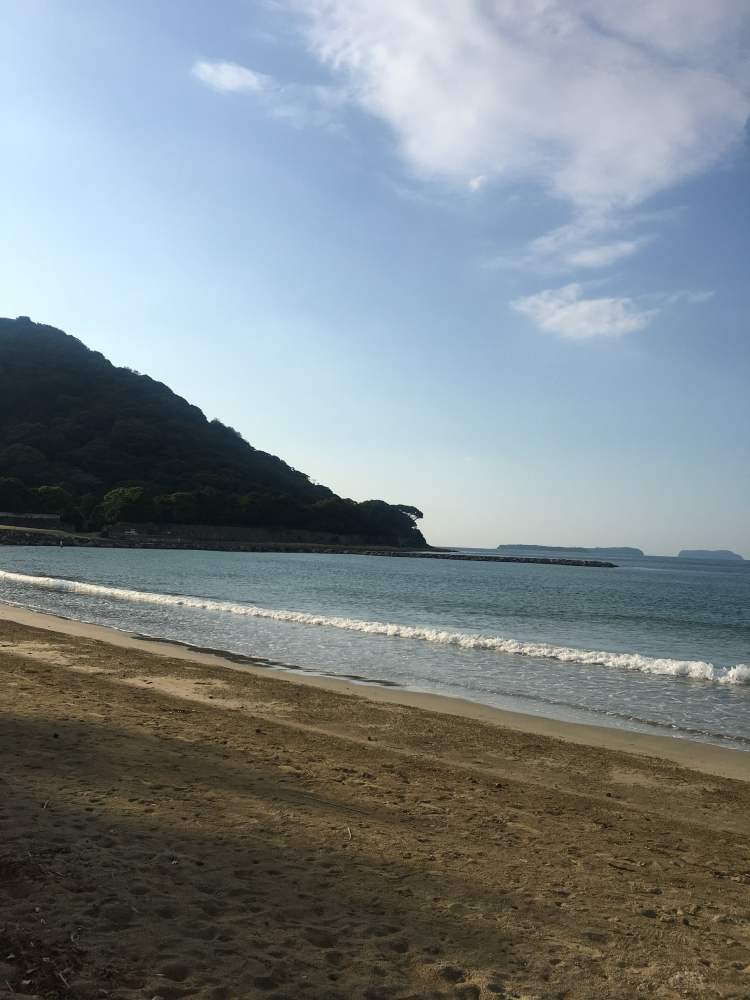
The coast town of Hagi is a well-known Edo-period castle town. But the reason I am here is because of its proximity to a shrine I want to visit. So I go on a stroll around town and try to rent a car for the next day. However, that is not the easiest task in the Japanese countryside with a foreign driver’s license and without speaking the language. Disappointed because I will most likely not get to see the shrine I wanted to visit, I take a break at the beach and immerse myself in the world of the audio book I am currently listening to. I buy a bento box for dinner at the local supermarket and go to bed early not knowing, what the next day will bring.
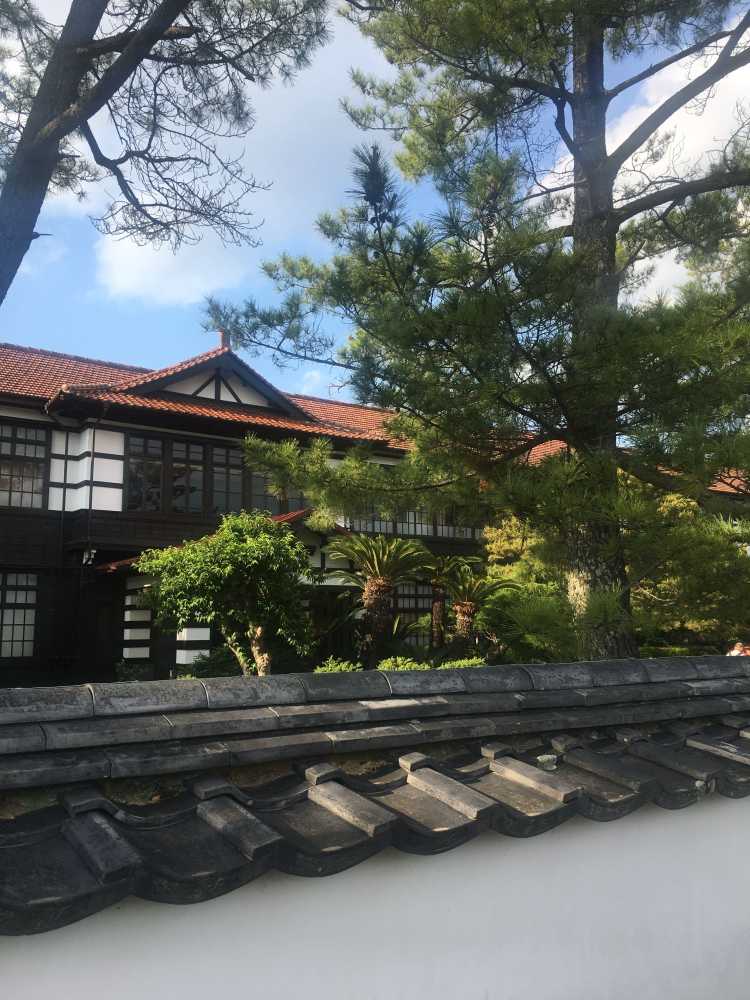

I wake up early to someone in my dorm noisily repacking their bag. When I open the curtains of my bunk bed, the Japanese lady below me immediately starts to apologize for waking me. In perfect English she asks where I’m from and what my plans are for the day. I tell her about the remote shrine I was hoping to visit but can’t because I don’t have a car. She laughs and says that in that case I should join he for the day. She has a rental a car and planned to visit different sights in the region including Motonosumi Inari Shrine. And 10 minutes later we are off.
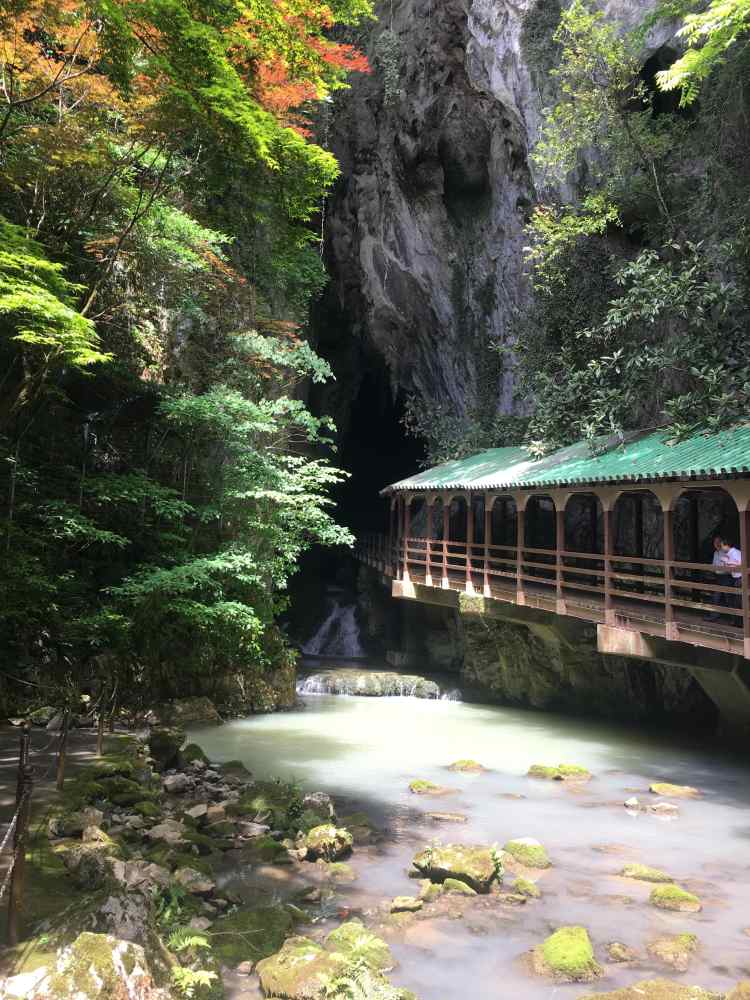
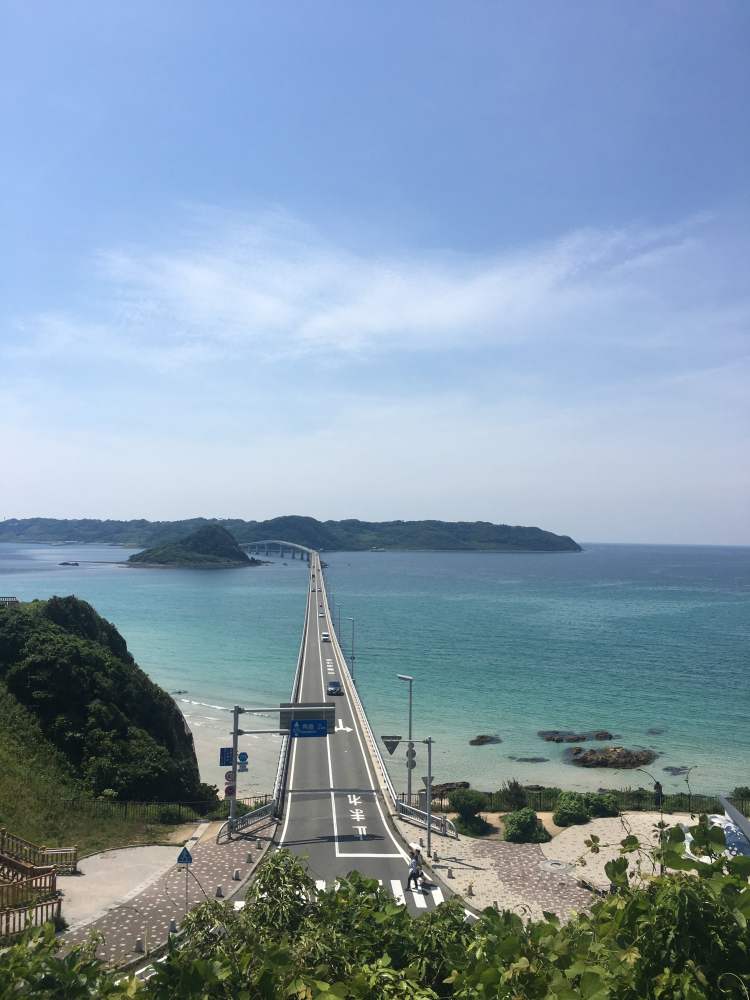
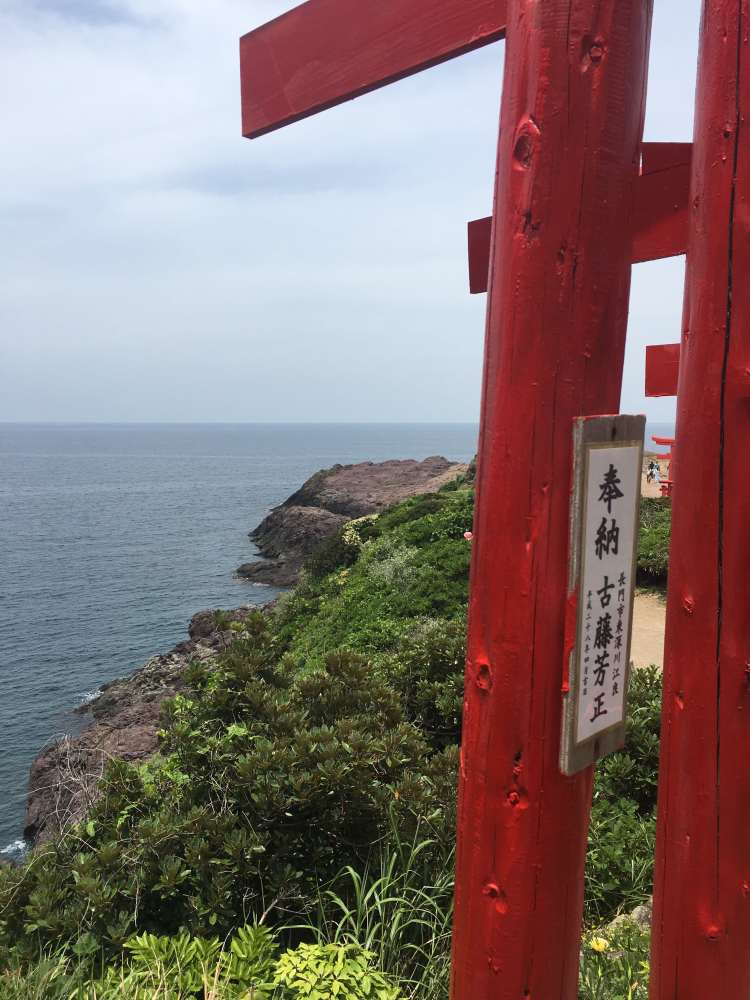
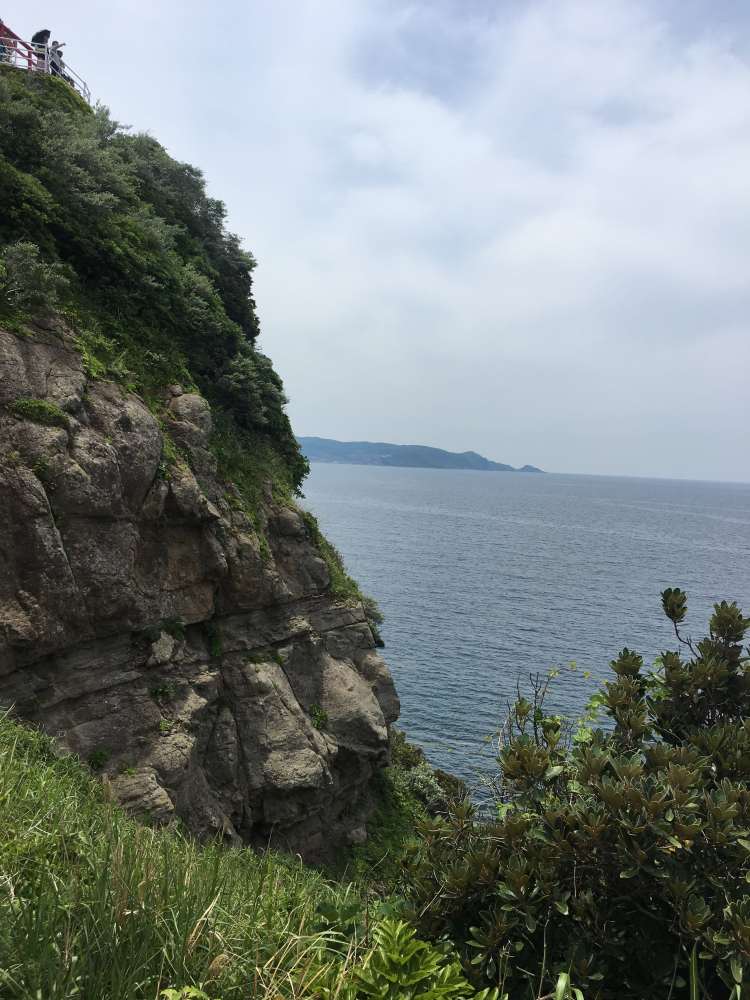
Kiko is a 38 year old surfer from Kobe. We spend the time in the car telling each other stories from our travels and admiring the beautiful landscapes Yamaguchi has to offer. As she is doing the driving, I am in charge of navigation. With the GPS set up in Japanese, even typing in the destinations in hiragana is a challenge and I am glad that I was not able to rent a car by myself. We visit the incredible Akiyoshido limestone cave up in the mountains, have Katsu Curry at a restaurant overlooking Tsunoshima Ohashi Bridge, buy souvenirs on the island which it connects to the mainland and finally head to the shrine I so desperately wanted to see. Motonosumi-jinja Shrine is famous for its location on the shores of the Sea of Japan and the 123 red torii gates leading down the cliff. Pictures do not do it justice and I once again could not be happier about running into Kiko at the hostel.
After returning the rental car, Kiko heads back to the dorm for a nap and I take another stroll around town. When I get back to Guesthouse Ruco, I see Kiko and one of the staff sitting at the dining room table in the kitchen. Kiko tells me excitedly that she just found out, that there is a “hotaru” festival taking place in a nearby town tonight. Shiro, who works and lives at the guesthouse, eagerly confirms, and asks the two of us to join him and friend who planned to go there. Even though I have no idea what “hotaru” means, I accept the invitation without thinking twice and we meet up outside once the sun has set.
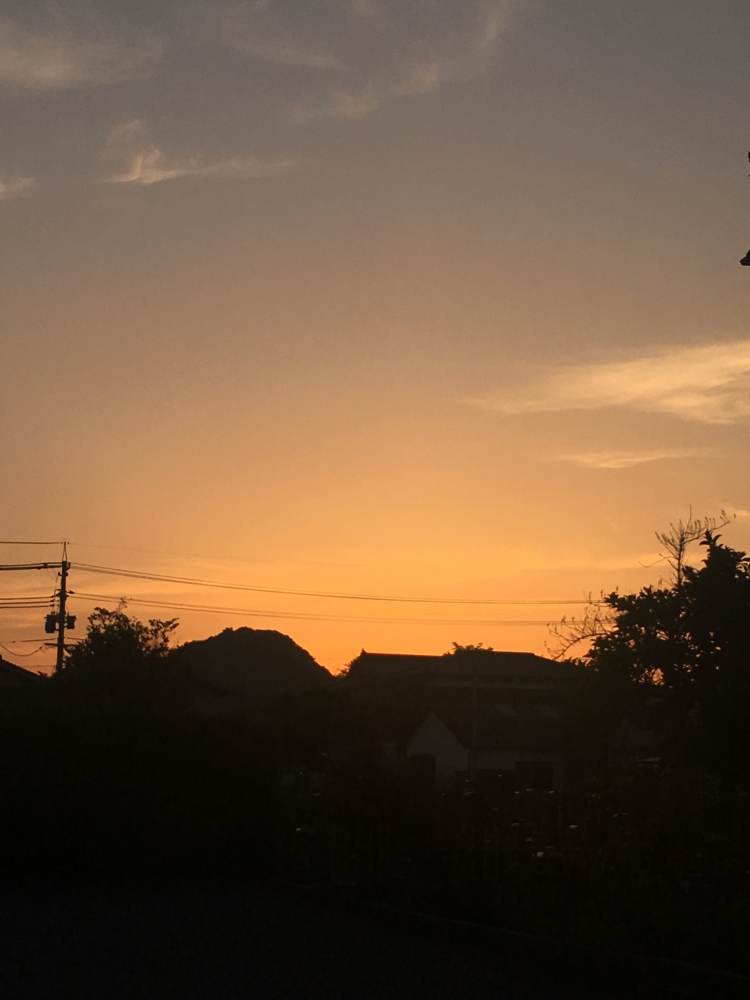
In Shiro’s car we drive to the nearest shuttle station set up for especially for the festivities. To prevent light pollution in the small village, there are no cars allowed in Yamada at night. I am still not exactly sure what to expect and follow the others on the bus. During the 10-minute drive Shiro – with the help of Kiko’s translations – explains what the festival is about: Hotaru means firefly. The glowing insects can be found around rivers and rice fields during summertime. This is reason enough for the people in the countryside to set up food stalls along the main street at night and take walks with their families and friends through the moonlit rice fields.
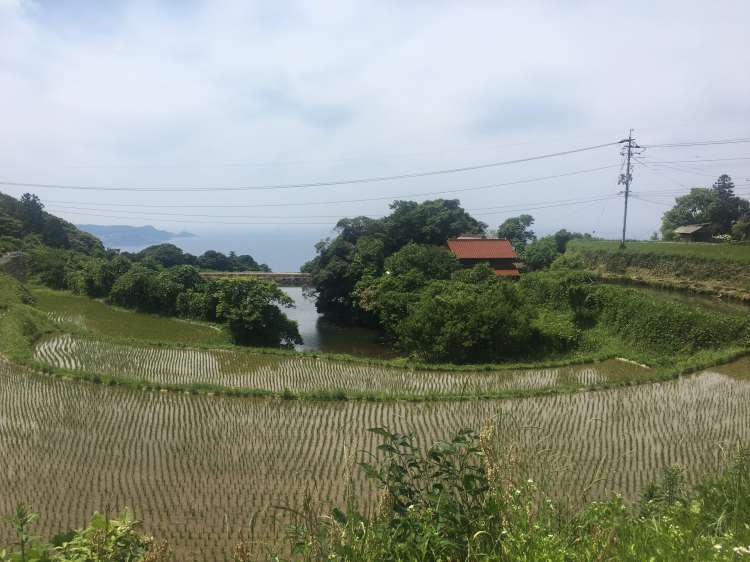
We get off in Yamada and walk past a dozen of stalls offering a variety of street food and cold beer. Hundreds of people are enjoying the warm summer night chatting, laughing, and drinking. All of us agree to first visit the rice fields and come back later for a plate of yaki soba. Though we don’t see as many hotaru as I hoped for, the quite stroll through the night has a deeply relaxing effect and makes me think that moments like this are what I love so much about travelling.
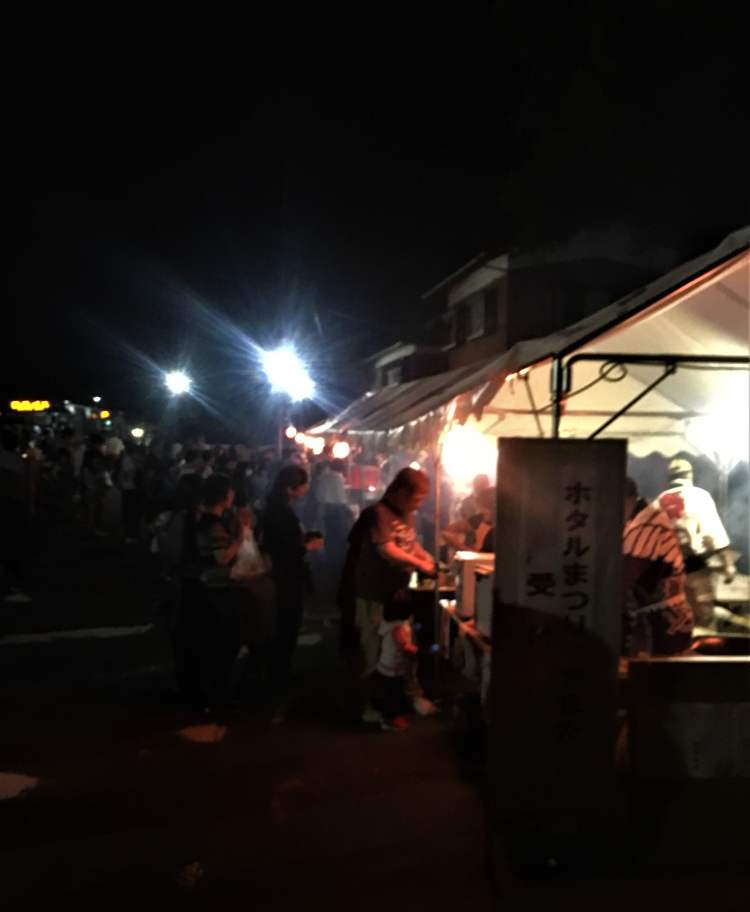
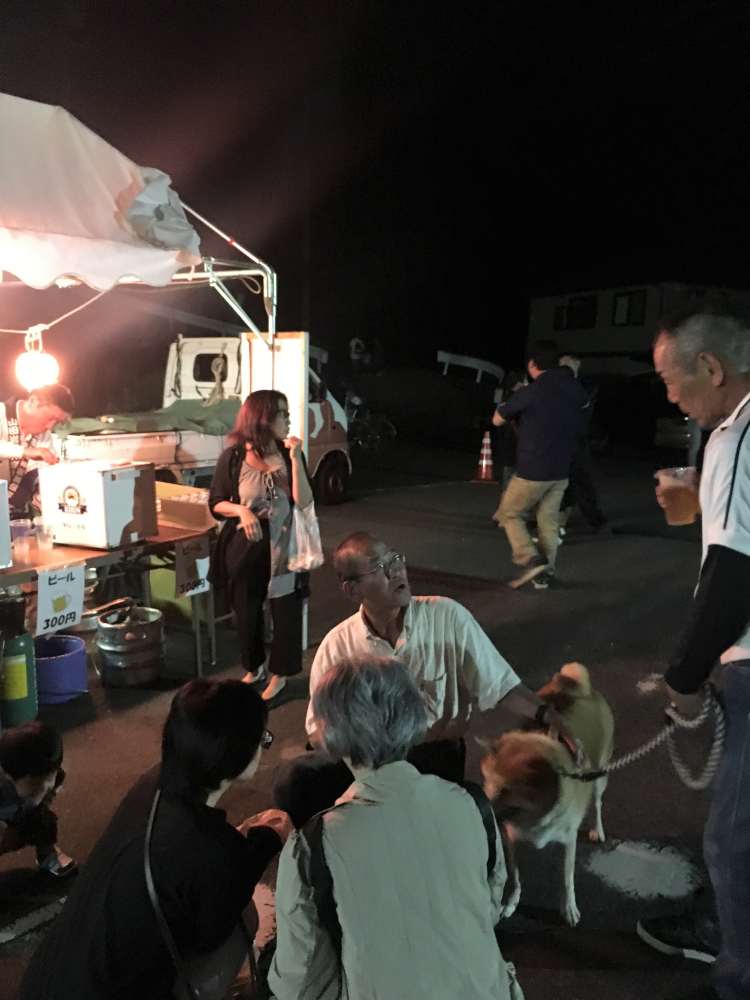
Back at the food stalls, I buy everyone dinner to thank them for bringing me here. We sit on the sidewalk and silently eat the delicious noodles, when a man crouches down next to Kiko and asks her something in Japanese. When I realize that they talk about me, I politely smile at him. Pleased with himself, he laughs and runs back to his friends. A few minutes later he returns and asks Kiko to translate for me: “Usually the people travelling furthest to attend the festival win 5kg of rice. Considering you have to take a plane to return home, is it ok if we give the rice to a family from Hiroshima, who had the second-longest journey after you?” – Now joining in on everyone’s laughter, I reply: “Of course!”, and think to myself: If only they knew that I travelled to Japan from Argentina..
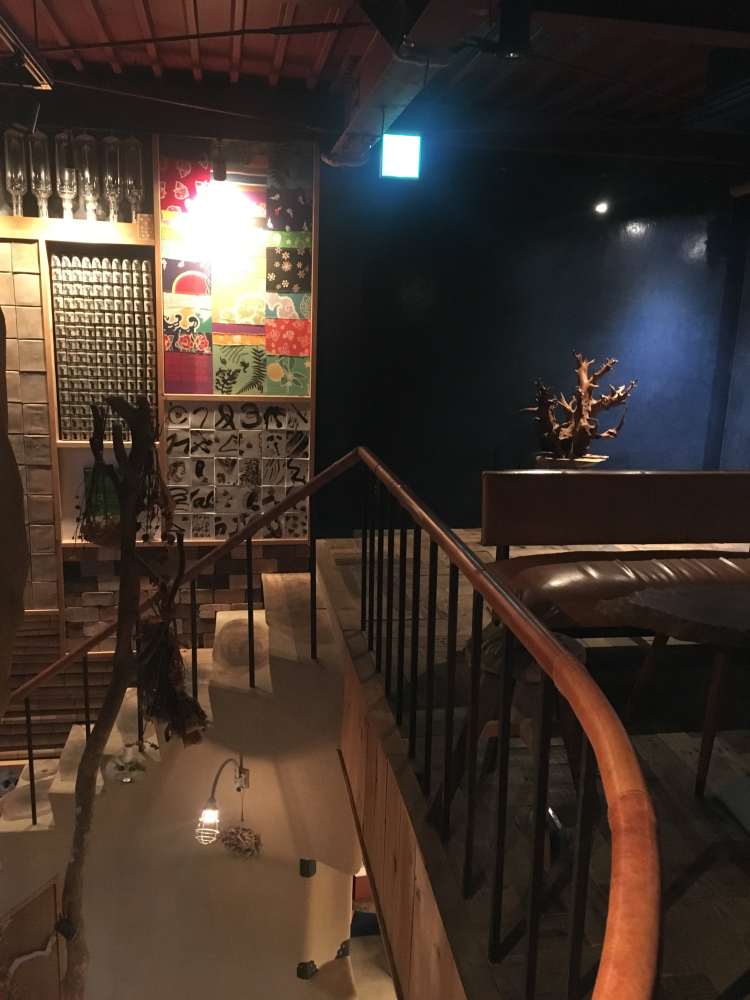

Upon returing to Guesthouse Ruco, everyone is way too excited to go to sleep and we join a group of students from Osaka who are sitting at the kitchen table. Despite the language barrier we chat for hours and I wouldn’t want to be anywhere else in the world. In the end, one of the guys sitting around the table mentions that he too is travelling to Fukuoka the next day and invited me to tag along in his car. This story is a great example of how one coincidence lead to many great experiences. A similar course of events lead to my first ever Onsen visit which you can read about here.
 thattravelstory
2 thoughts on “How I won 5kg of rice”