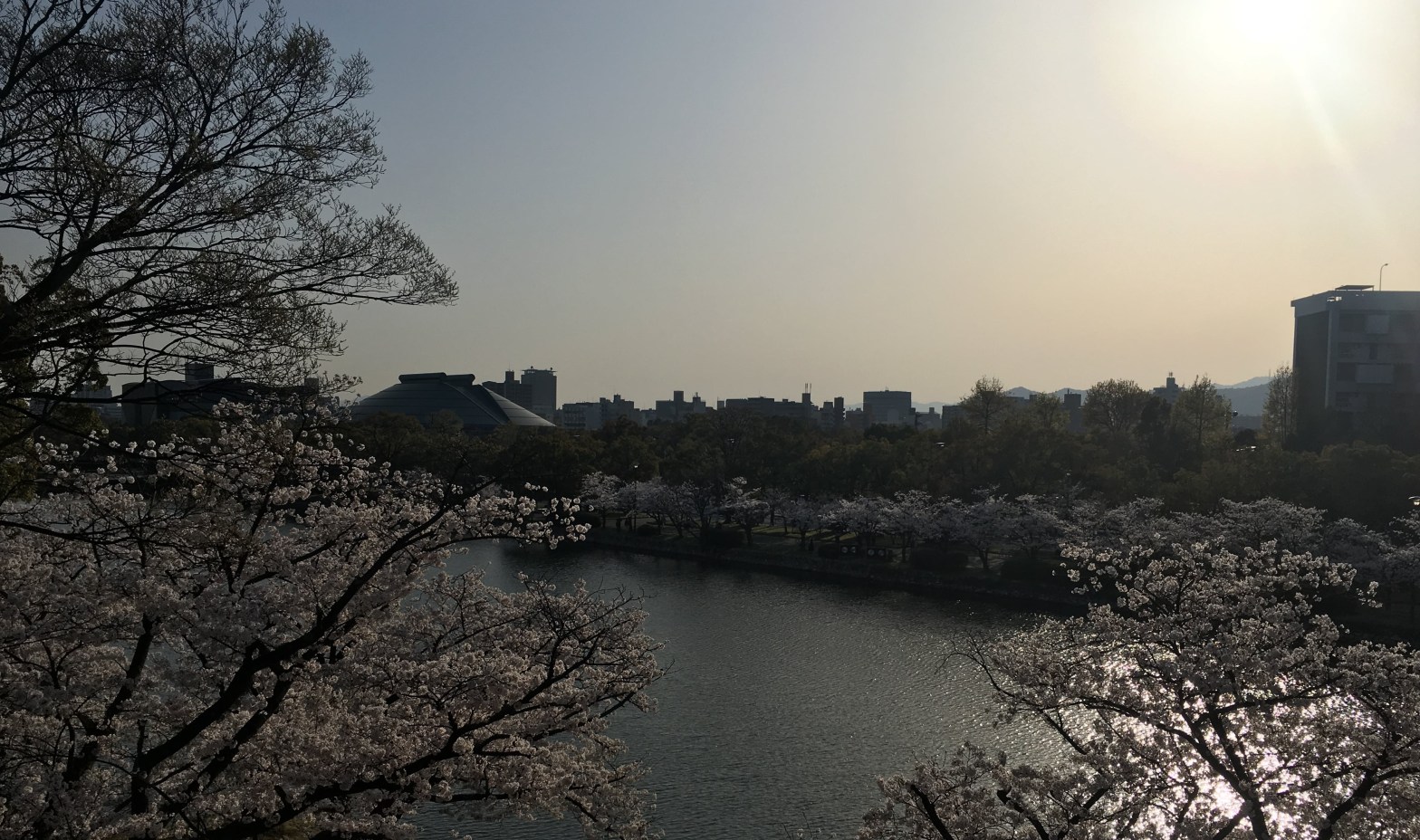
Japan – March 2018
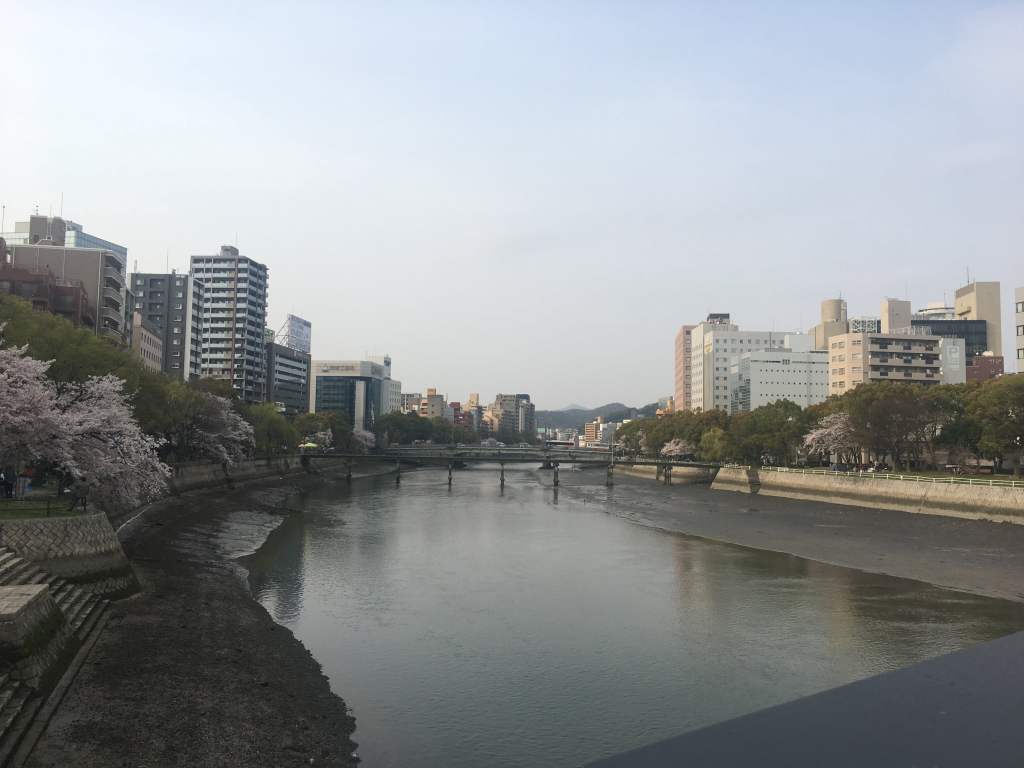
Tina and I spend the last 2 nights of our 2-week trip to Japan in Hiroshima. We arrive with the Shinkansen from Osaka around noon and check into our hotel next to the main station. Our room is not ready yet, but we just want to leave our luggage there for the day anyway. I take a small city guide from the stand next to the reception and we walk back to the station. Our first ride on the pretty streetcars takes us to the “A-Bomb Dome”.
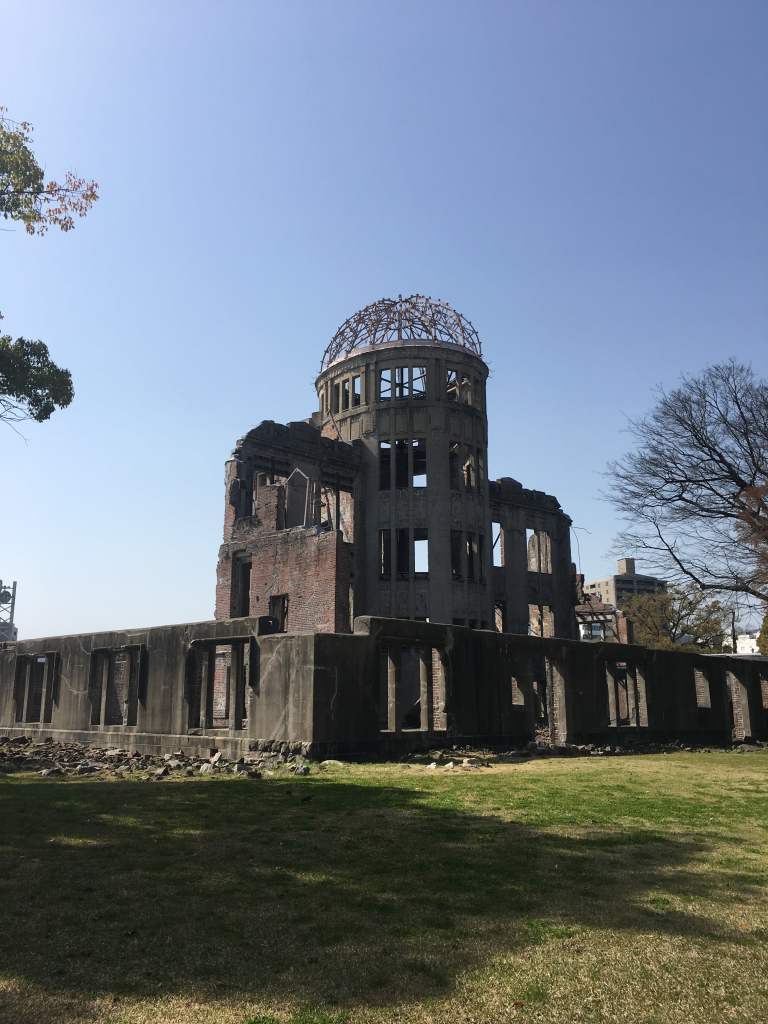
The impressive ruin of the Prefectural Industrial Hall is a Unesco World Heritage Site. It is a reminder of the destructive power and horror of nuclear weapons. There we learn for the first time about the self-imposed mission of the people of Hiroshima for world peace. Several retired men and women are talking to the tourists visiting the site and handing out booklets in various languages. We take a German copy and sit down next to the river. For an hour we read about the horrific events of August 6, 1945, and the moving stories of witnesses who lost everything. We then decide to continue the journey into the past and walk across the river to the Hiroshima Peace Memorial Museum.
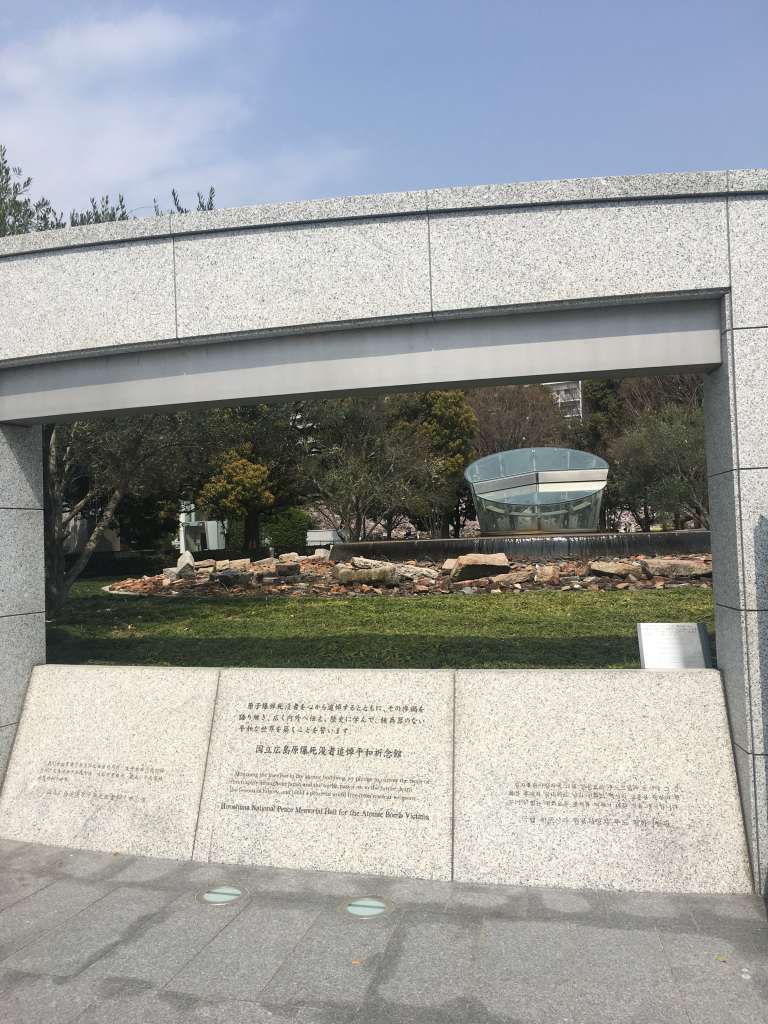
The first thing I notice is the name. Again, the focus is a desire for peace, rather than bitterness about what has happened. We get ourselves audio guides and start the self-guided tour through the museum. The whole exhibiton explains, in an impressively neutral way, what happened in Hiroshima after an atomic bomb was used in war for the first time. However, it doesn’t fail to deeply move every single visitor. I can write about what I’ve seen and heard there. But the only way to understand, what the people of Hiroshima went through in 1945 and the following years, you have to visit the Peace Memorial Museum yourself. Learn more about Hiroshima’s efforts for a more peaceful world here: Peace Tourism.

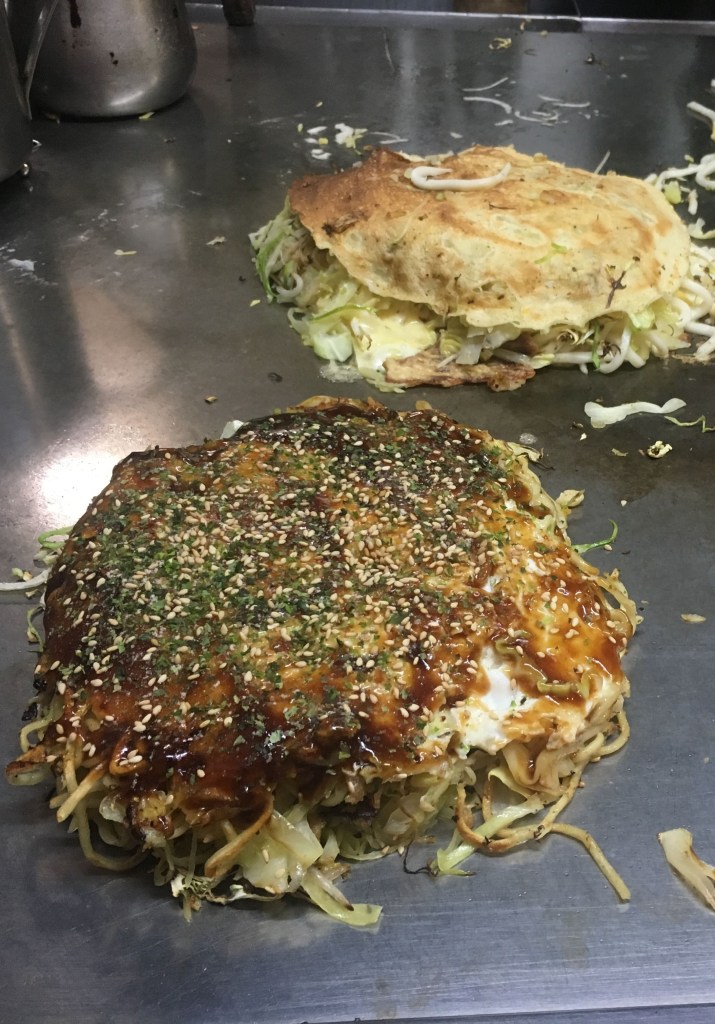
To end this exceptional but very sad day, we treat ourselves to the dish we’ve been wanting to try since my friend Marina told me about it in Tokyo. Okonomiyaki. This fried goodness of noodles, cabbage, a pancake, katsu sauce and mayonnaise is to this day one of my favourites in Japanese cuisine. The restaurant we went to is well-known among locals and tourists. There are only a few seats available and you can watch the chef prepare your portion of the local delicacy on the grill in front of you.
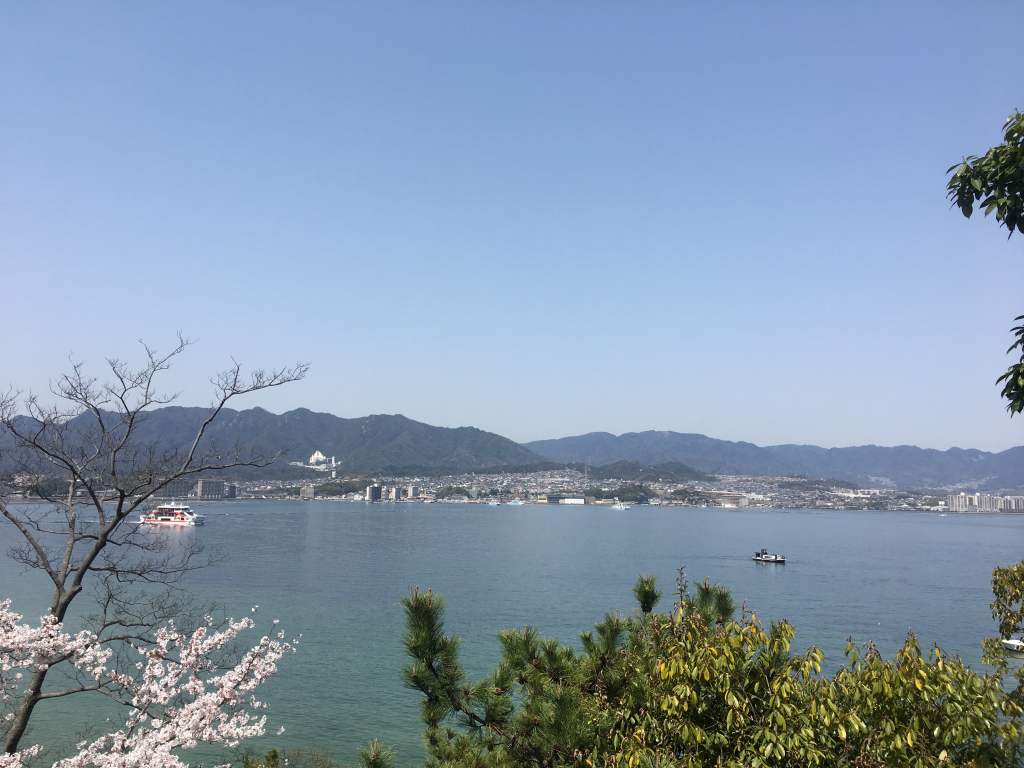
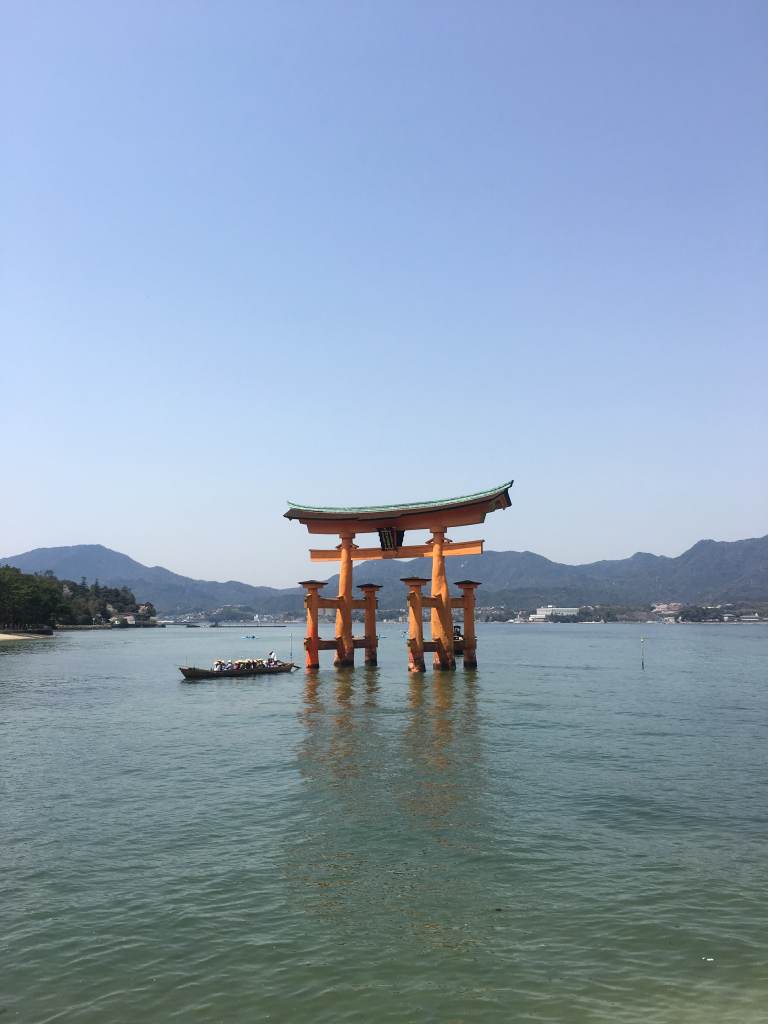
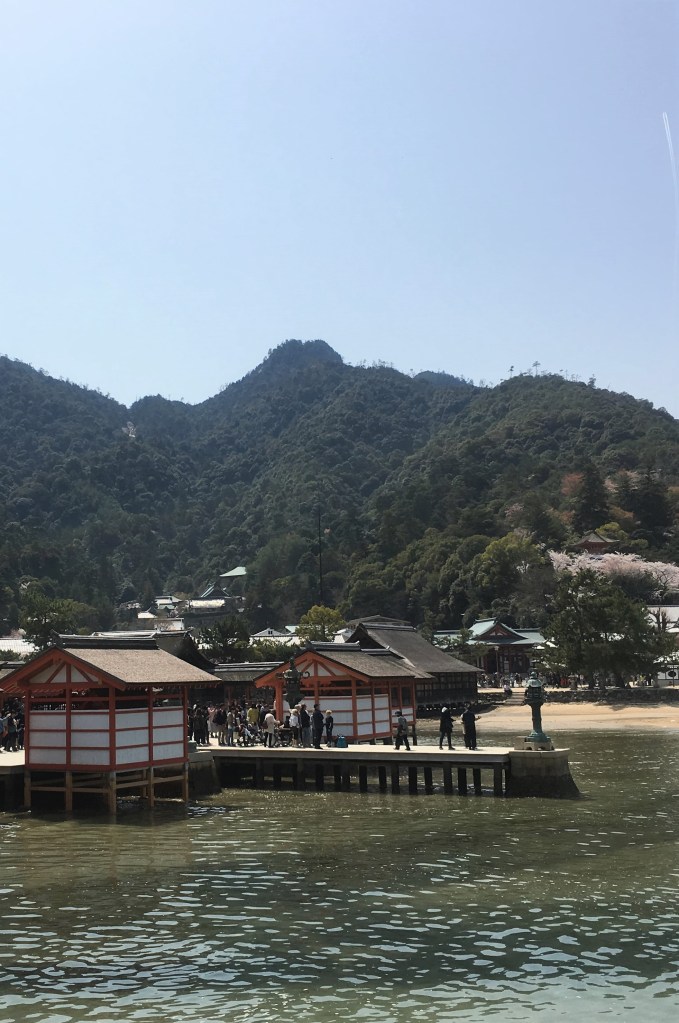
The next day we spend on Miyajima, an island we read about in the hotel’s city guide. Once again we take the streetcar – this time all the way to its final stop 1 hour south from Hiroshima Station. From there it’s only a short ferry ride to the island. Even though it’s a weekday, it’s packed with visitors. School kids, foreigners and retired Japanese couples are looking forward to a day in nature. Once we arrive on the island, we head to the famous Torii gate set up in a quiet bay in front of the floating shrine. The seaside walkway offers a very pretty view, but it’s also very crowded. After talking to a group of school kids, we decide to walk up the hill for an even better view and fewer people.
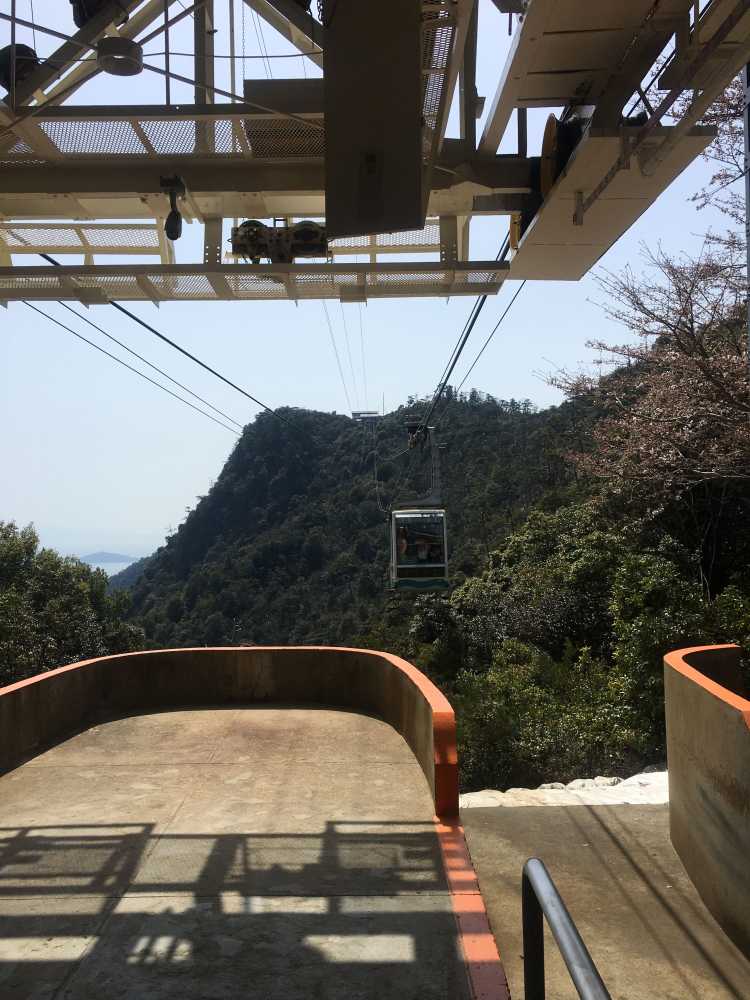
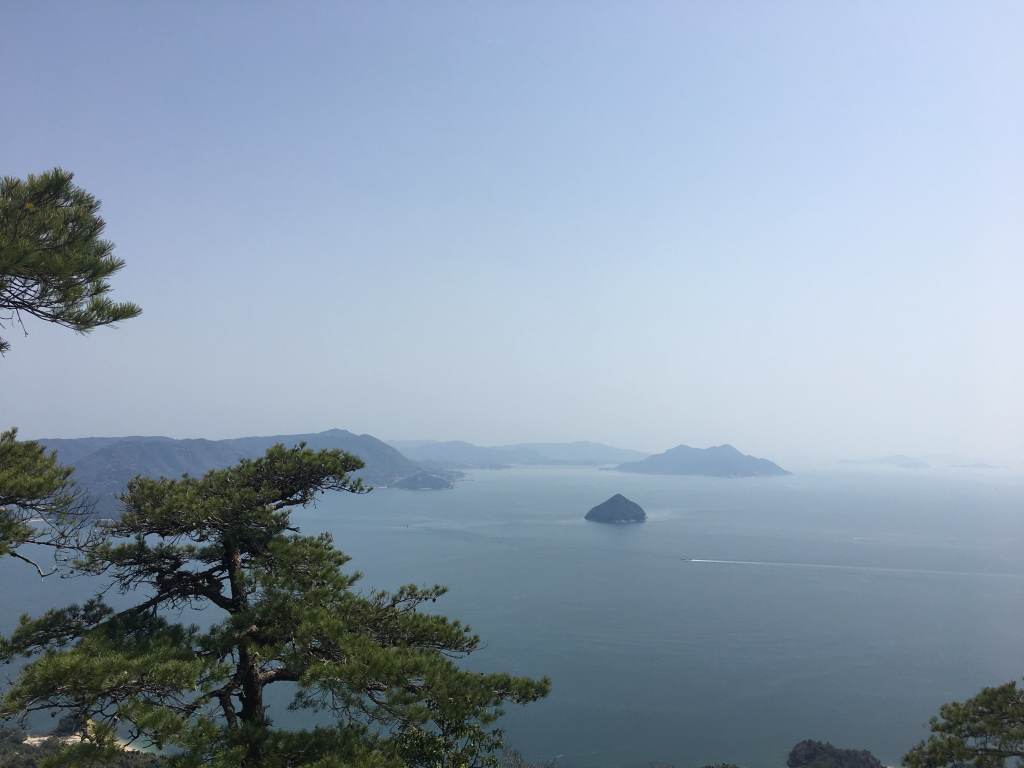
It’s a steep walk and the humid air soon leaves us breathless. We check our map once again and realize that we can take a cable car to the top of one of the island’s mountains. A short walk later, we arrive at the ticket office. We join the long line of people and queue for about 30 minutes. Then, we can finally take the scariest cable car ride of my life – and being Swiss I have experienced many of those. The rope swings up and down and I wouldn’t be surprised if one of the passengers got motion-sick. Nevertheless, we make it to the other side of the steep gorge and are rewarded with an amazing view over Hiroshima Bay. It’s easy to understand why this ranks among the three most beautiful landscapes of Japan.
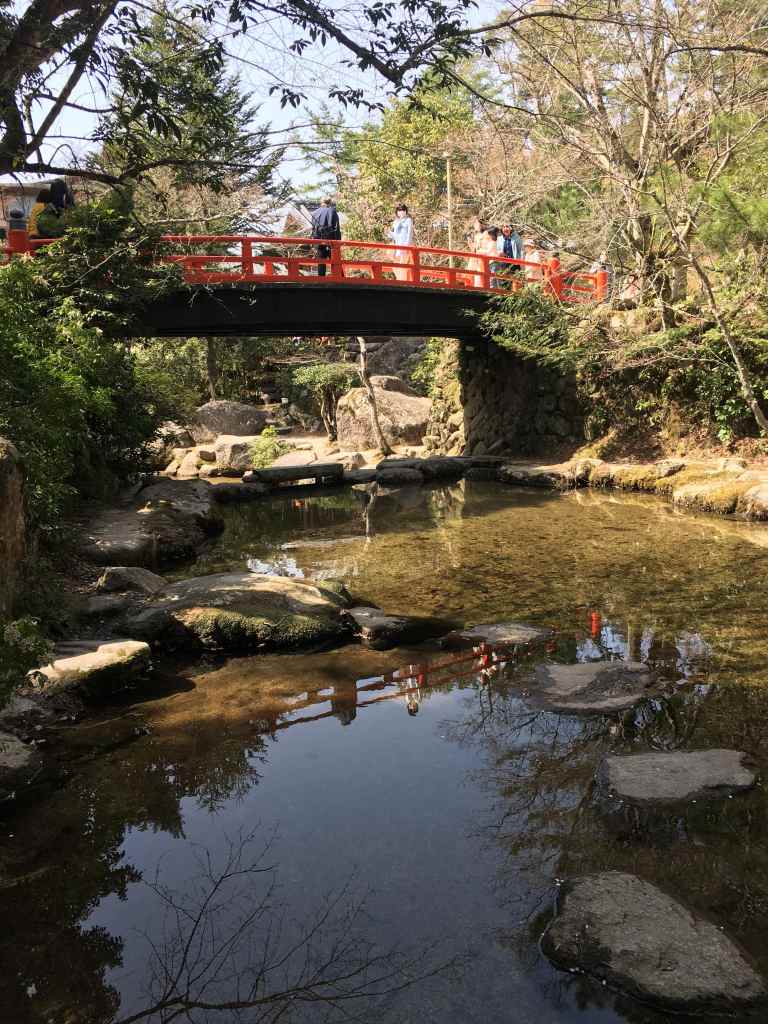
I am abruptly transported back to reality by a sign that reads: Danger – Snakes. Having taken too many pictures anyway, we decide that it’s time to make our way back down. Before returning to the port, we check out a beautiful path through the woods leading to some waterfalls. Due to the little detour, we miss the ferry and have to wait for the next one. But fortunately, the main alley in the small village is lined with small eateries and food stalls. We go for some interesting looking breadsticks with pieces of vegetables and meat. For dessert, we get some ice cream and sit down at the seaside walkway. We eat and watch tourists trying to take pictures with the deer who are just minding their own business.

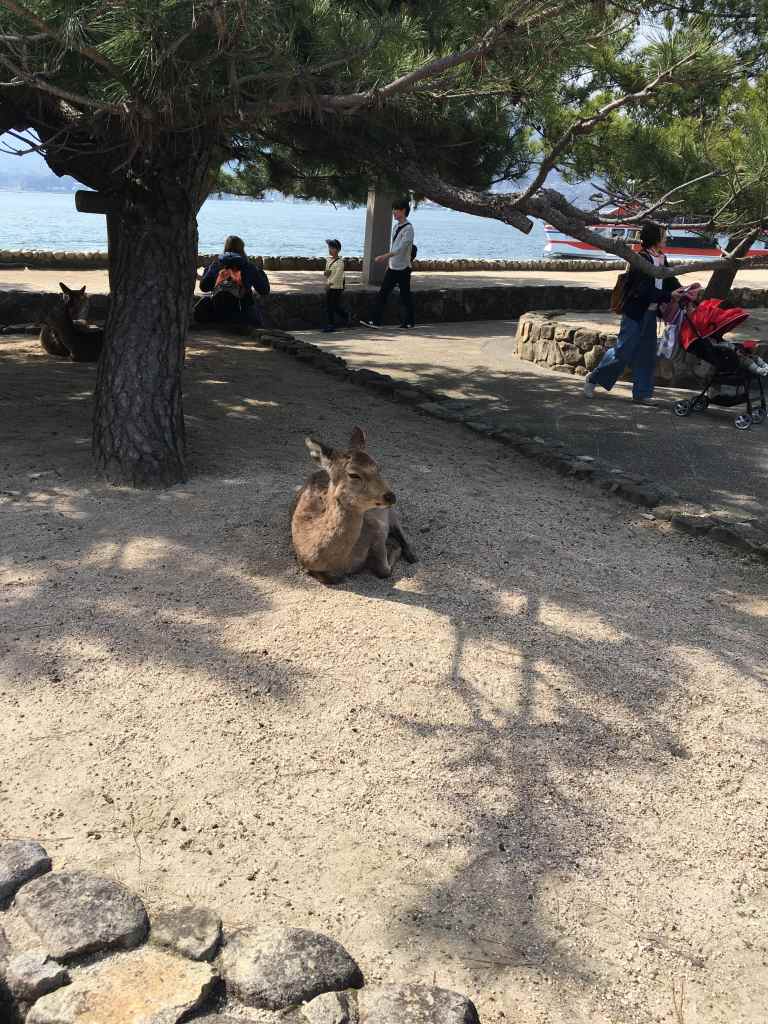
A little while later our ferry arrives and we return to the city centre. As it’s our tradition, we celebrate the end of our trip with an epic night out. There is so much more to share about Hiroshima, as it is one of my favourite Japanese cities. So go and read that story now.
 thattravelstory
One thought on “Hiroshima – History, Food, Nature”