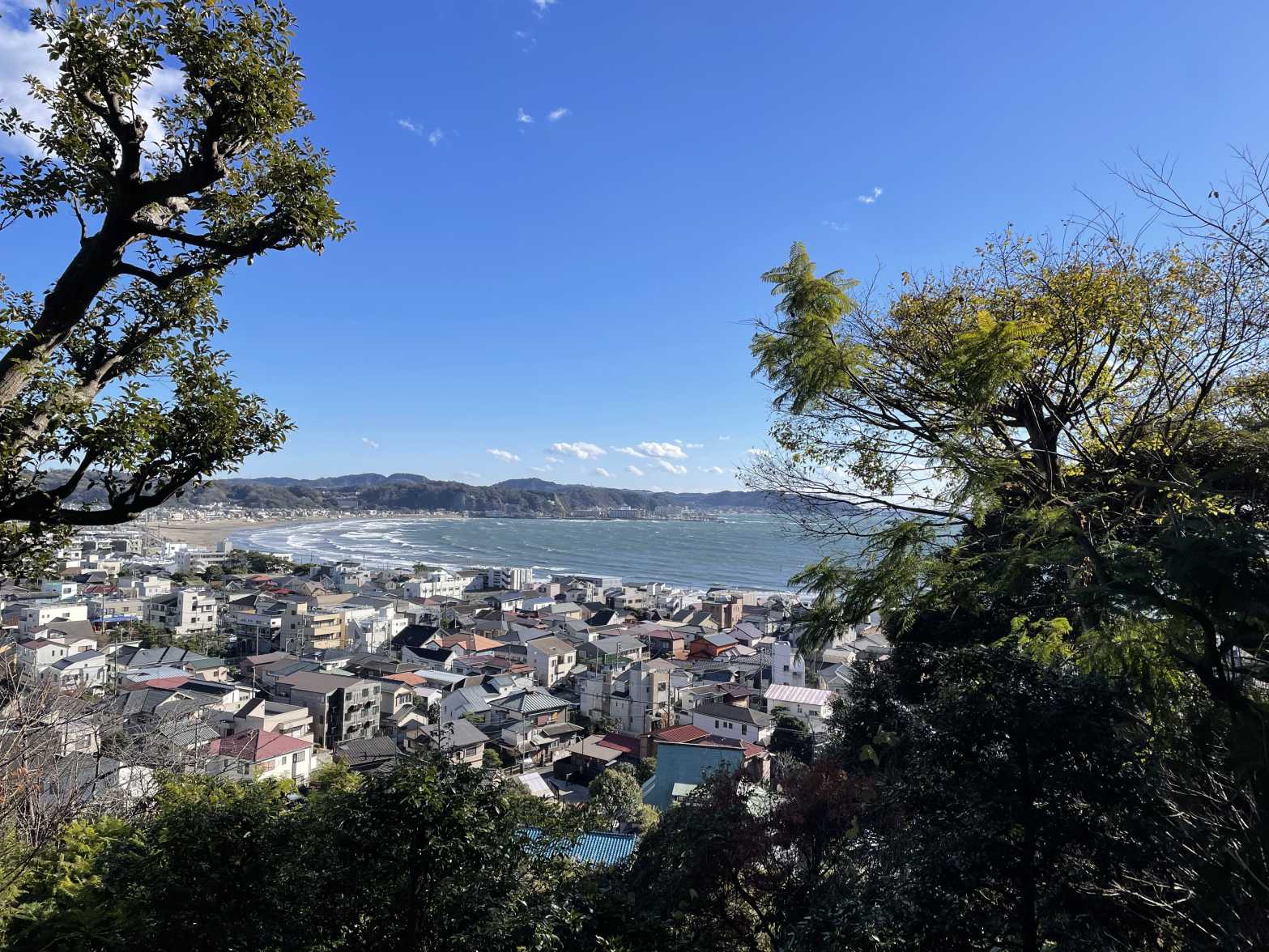
Japan – May / June 2019
After completing my journey from Mexico to Argentina, I decided to do a little detour to Asia before heading back home to Switzerland. I planned to visit Yoko, whom I met in a Spanish school in Mexico, and Takuya who I have bumped into several times in South America. Compared to my previous visit in March 2018, the conditions for this trip were completely different. I was travelling by myself, I already knew the must-see tourist attractions and my bank account was slowly running dry. So what did I do differently?
1. Travel during shoulder season
Peak seasons for Japan are Spring and Autumn. I suggest visiting during the cherry blossom season and seeing the pretty foliage in autumn is high on my bucket list too. However, if you are looking to keep costs low and avoid even bigger crowds than usual, try to travel in the early summer months when the heat is still manageable. Another big plus is that you might get to visit some festivals which take place during summertime. I for example had the joy of attending a firefly festival in a rural village in Yamaguchi.

2. Save on accommodation
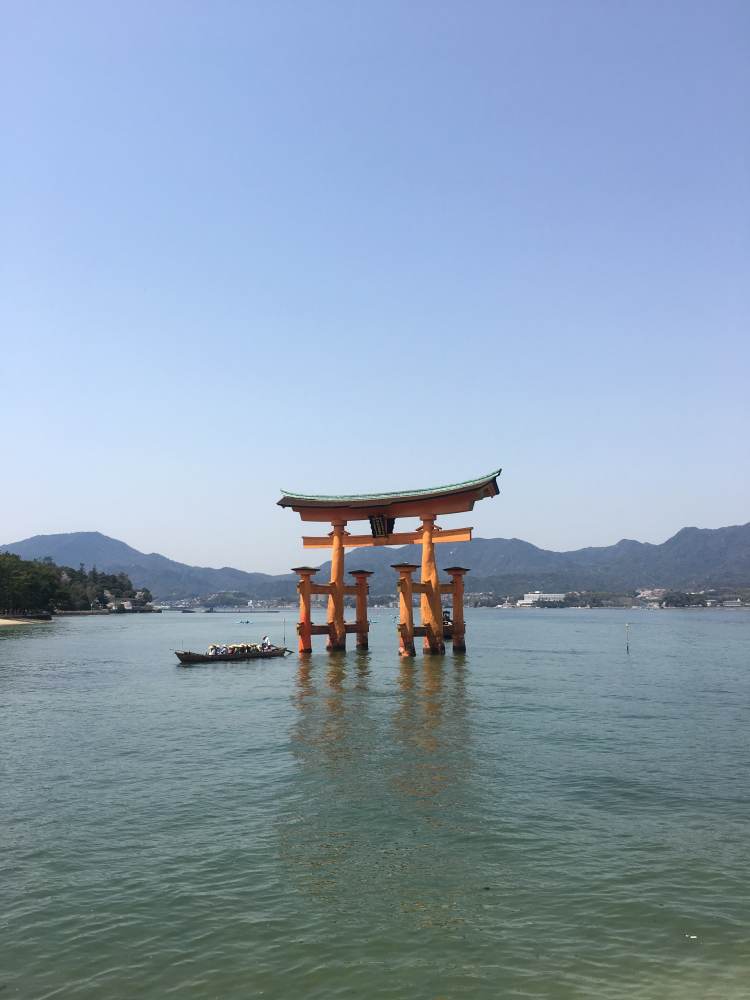
Of course, it helped that I could stay with friends to save a lot of money. For the other overnight stays, I chose cheap guesthouses and hostels. I mostly found them on booking.com and Hostelworld and they cost me around 15-20 USD per night. I can especially recommend Ruco Guesthouse, Matsue Guesthouse, Tonagi Hostel & Café Fukuoka and Imano Hostel Shinjuku. All are super functional and clean. The guesthouse in Matsue is a traditional Japanese inn and at Hagi Guesthouse I had a great time thanks to both other visitors and staff. Read more about my stay there here. The other advantage with hostels is of course the possibility to use a kitchen. A homecooked meal is almost always cheaper than eating out. If you do want to stay at a hotel, don’t make the location your number one criteria. Japanese cities are super well connected with public transport.

3. Check your transportation options
Before you buy a JR Pass, make sure to look up your itinerary with the online fare calculator tool on the JR Pass website. It might be cheaper to buy individual tickets. As far as my experience goes, it’s even possible to buy the pass in Japan (at least at Tokyo Station).
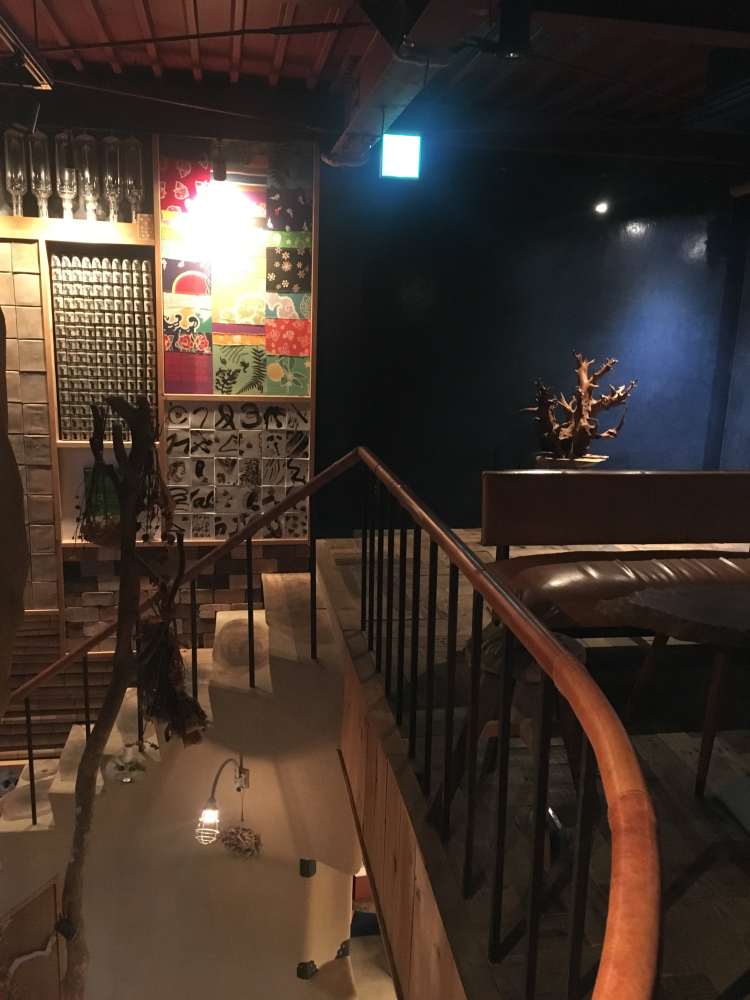
While I enjoyed my rides on the Shinkansen (read all about that experience here), I have to admit that it’s not the most economical mode of transport. If you have the time to spare, consider Expressway buses for long distances. For example, the night bus from Tokyo to Osaka cost me 70 USD, whereas the Shinkansen cost 140 USD on the same route. Even though you cannot expect the same level of comfort as on night buses in South America, they are still quite okay. I highly recommend checking different options for the individual legs of your journey on rome2rio.com or Google Maps. *Bus tickets may be sold by individual companies depending on region.
I also gave hitchhiking a shot when I was travelling in Kyushu with a friend in 2019. We had a great time and I even tried it again when trains were rare in the countryside of Fukui. You should evaluate carefully when and where to choose this option.

4. Eat where the locals eat
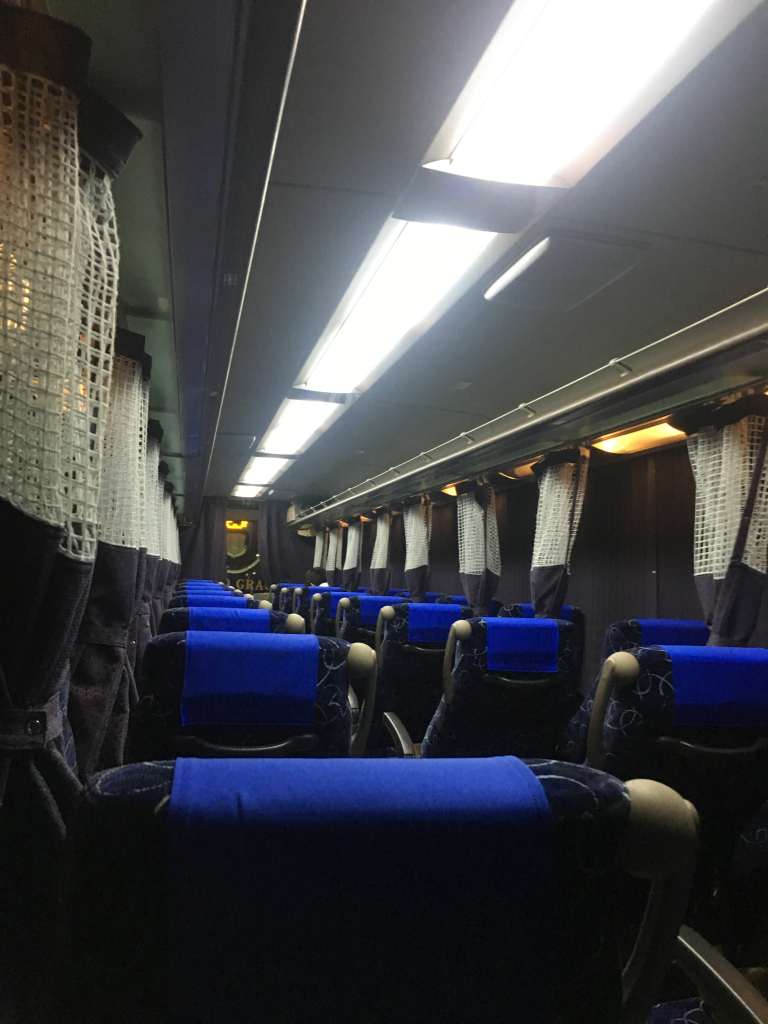
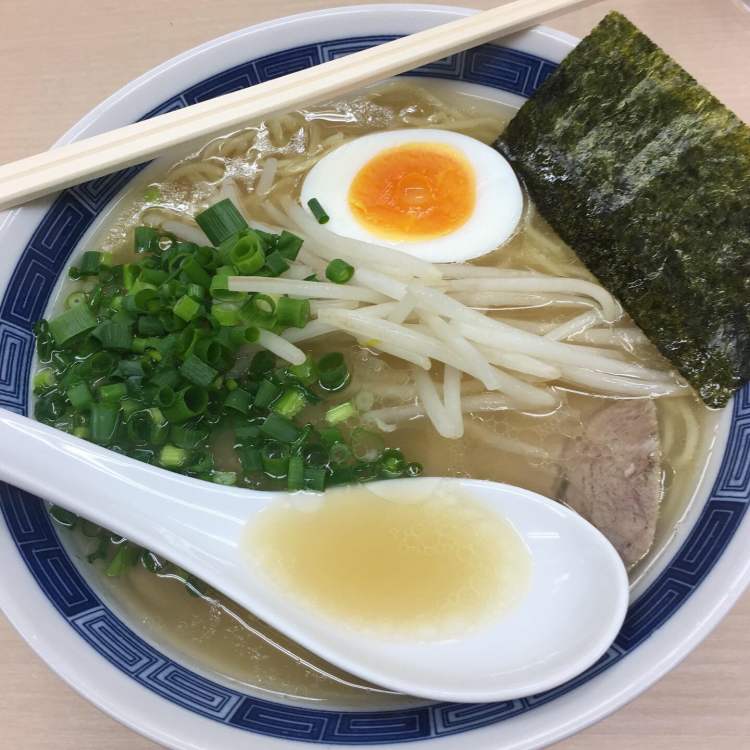
Food is a huge part of Japanese culture, and there is much more to it than Sushi and Ramen. Instead of choosing restaurants based on whether they have an English menu or not, rather look at where locals are headed. At least during summer, this might even include street food stalls. Restaurants inside and close by the humungous train stations are often frequented by salarymen and a good choice for a quick meal. And don’t forget to check out Izakayas. The really good ones are always a little hidden, but there is a chain with branches in Tokyo, Kyoto, and Osaka I can recommend: Torikizoku. You see, I could easily write a whole separate post dedicated to the amazing Japanese cuisine. For now I gathered all my tips in this Sway.
5. Leave the cities
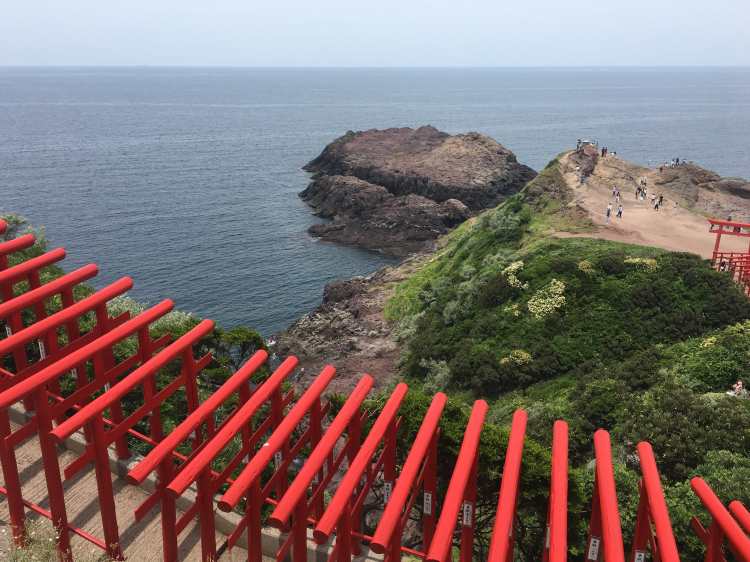
The bustling mega-cities like Tokyo and Osaka are definitely a lot of fun and must-see. However, life in the countryside is much cheaper in all aspects. My favourite regions I’ve visited so far are Yamaguchi and Kyushu (check this post for the ultimate roadtrip tips).
However, transport options in the countryside are often limited. You may want to consider renting a car for day trips to remote sights (like Aso in Kyushu). **to rent a car in Japan you need an international license or for CH/DE and some other European countries even a Japanese translation of your original license.
 thattravelstory
5 thoughts on “Japan on a budget”