South of France – August 2021
The French region of Occitanie stretches from the Camargue to the Pyrenees and includes several National Parks. But that’s not what I’m going to tell you about today. Topic of this post is the architectural influence of the ancient Romans in the coastal area. Selina and I spot the first stone towns from the highway when we drive to the south from Lyon. We make it our mission to not rely too much on the guide books and just see where the countryside roads take us.
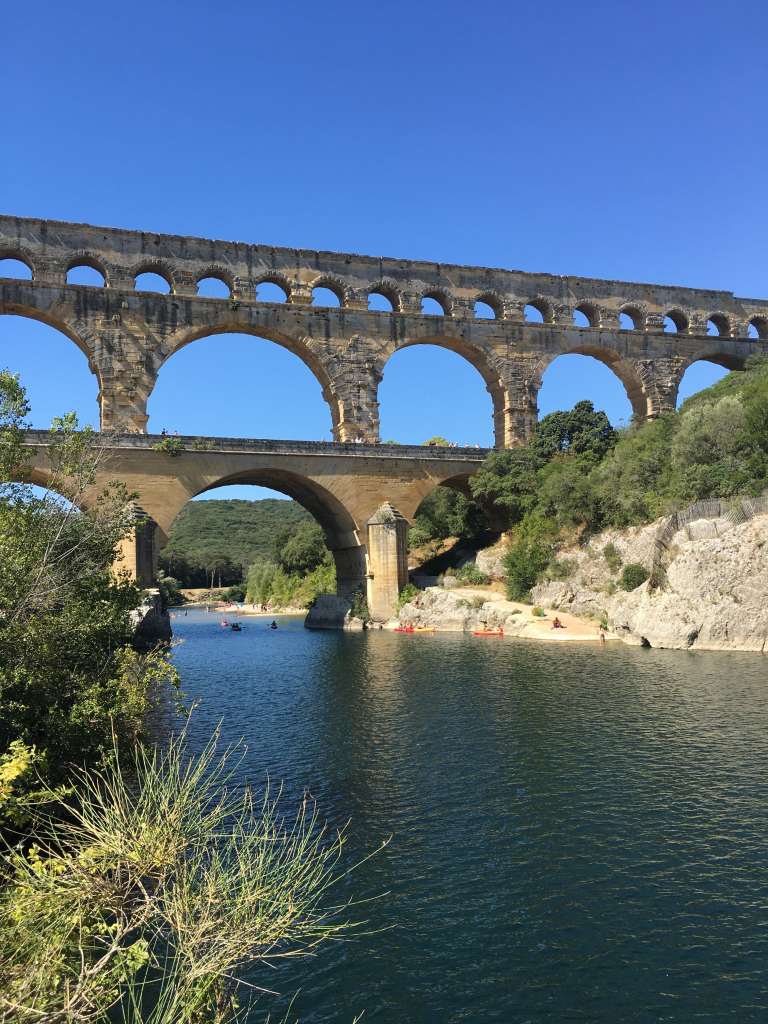
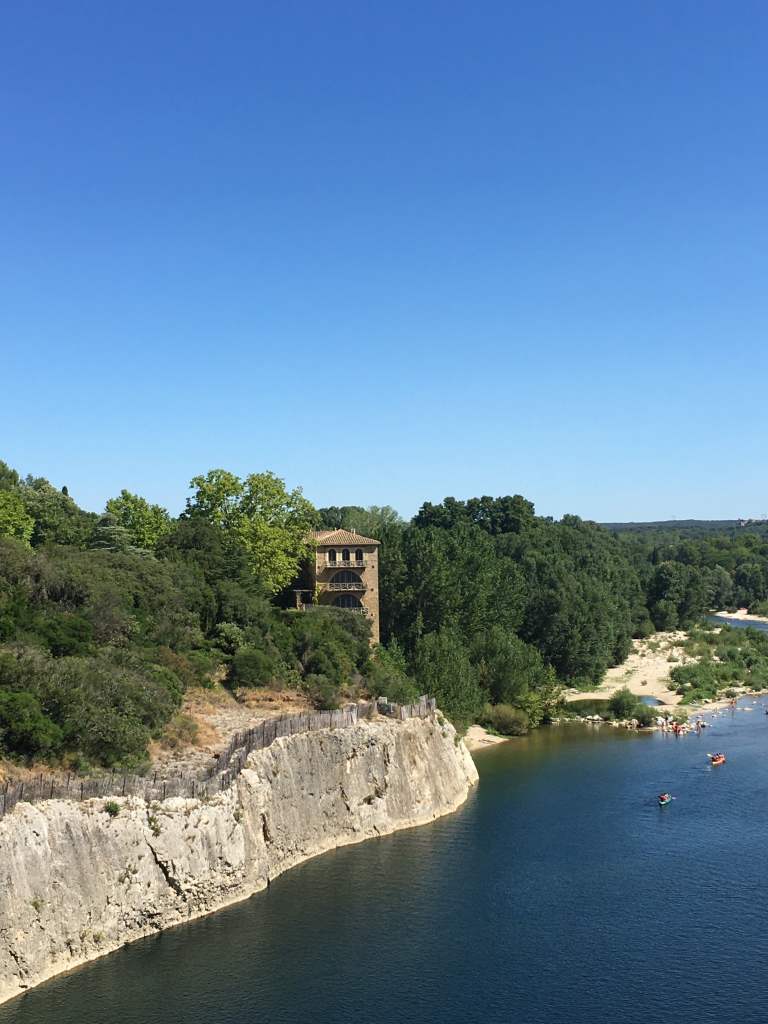
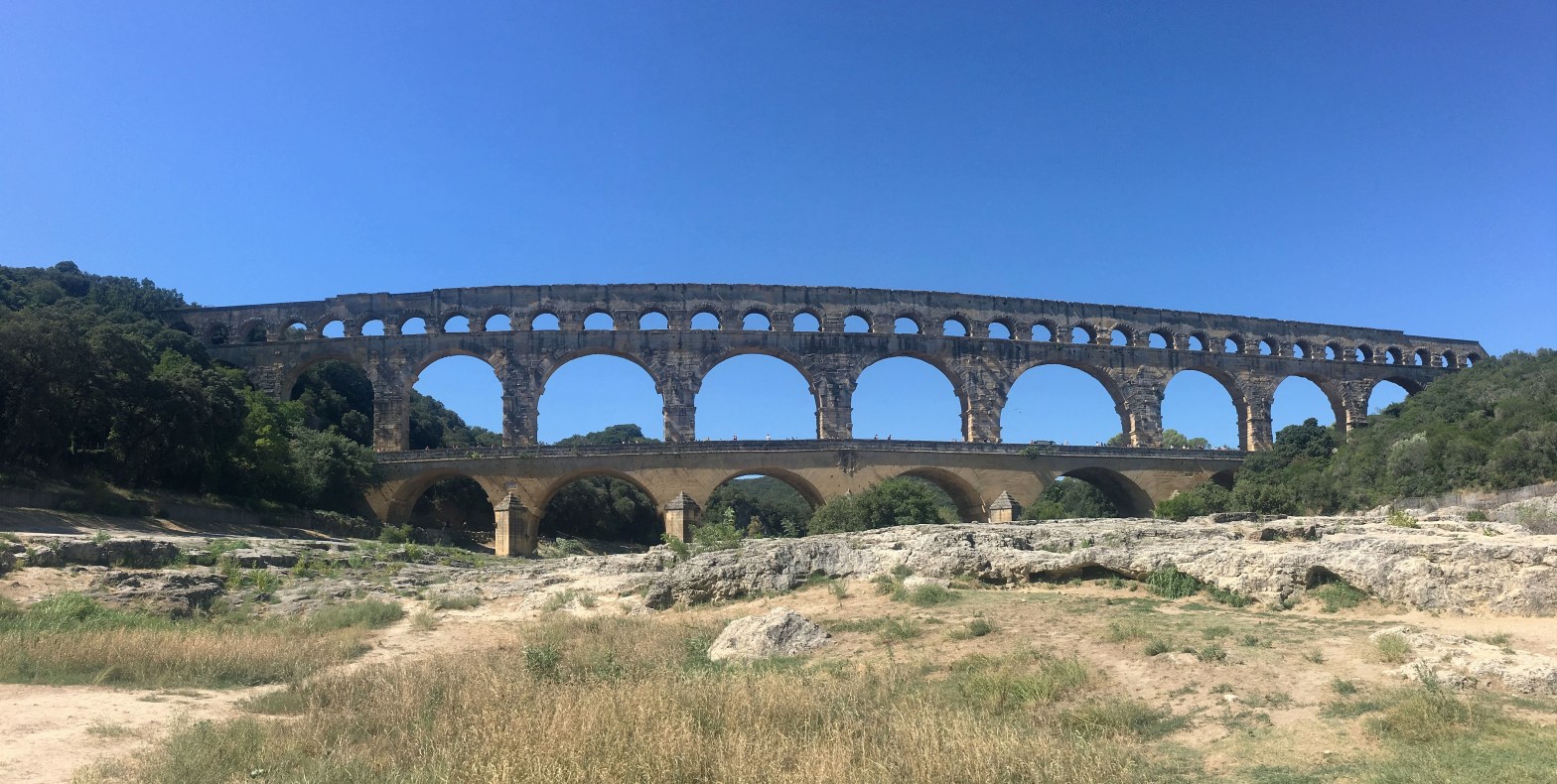
One thing we look up though is a 2’000 year old masterpiece: Pont du Gard. The ancient aqueduct used to be part of a 50km long water line and is now a UNESCO World Heritage site. It has 3 levels and is 50 meters high. The first level is now used as a bridge by visitors to cross the Gard River. There is a museum too, but during summer, most visitors are to be found at the small river basin swimming, kayaking and jumping from rocks with an incredible backdrop.
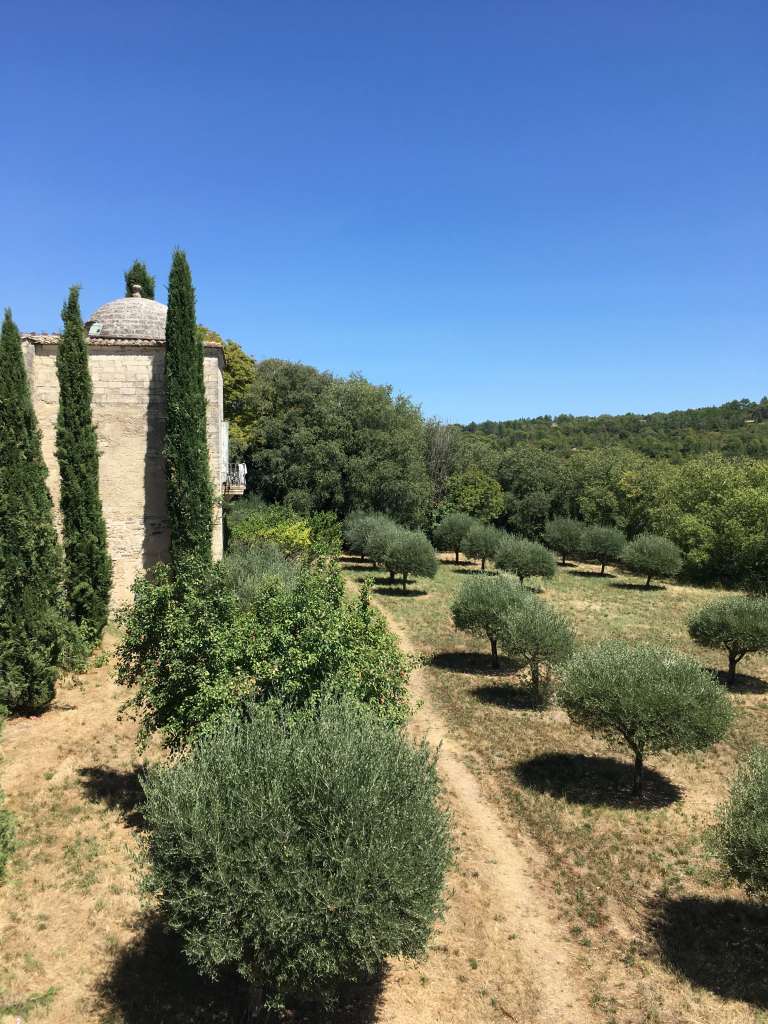
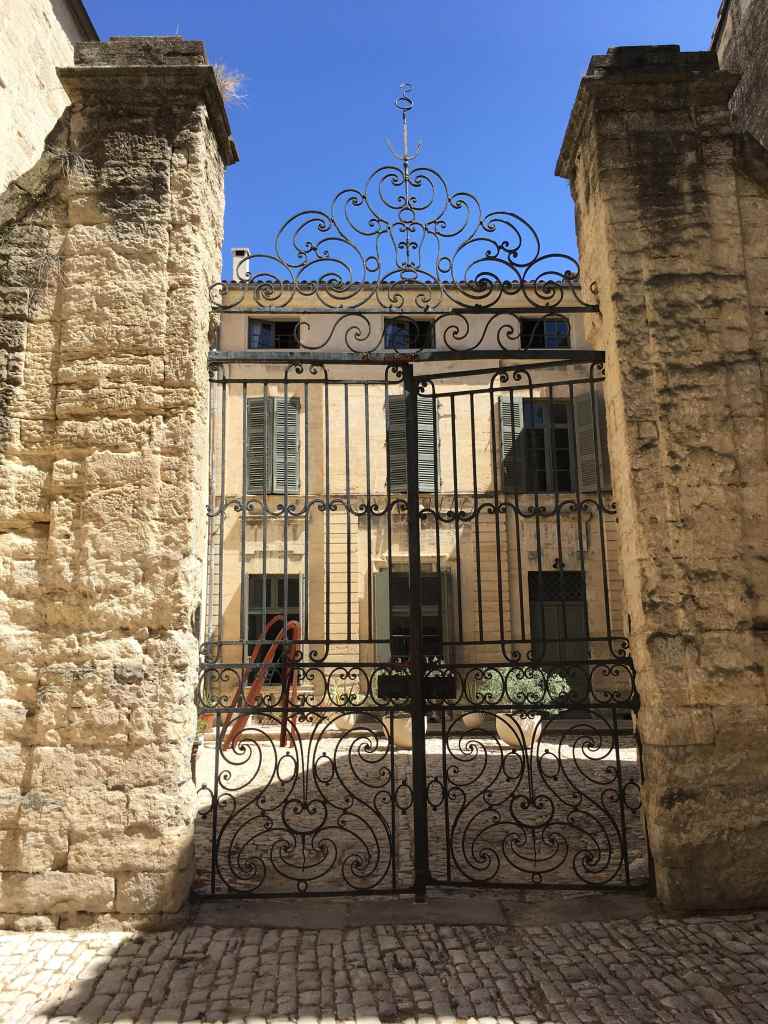
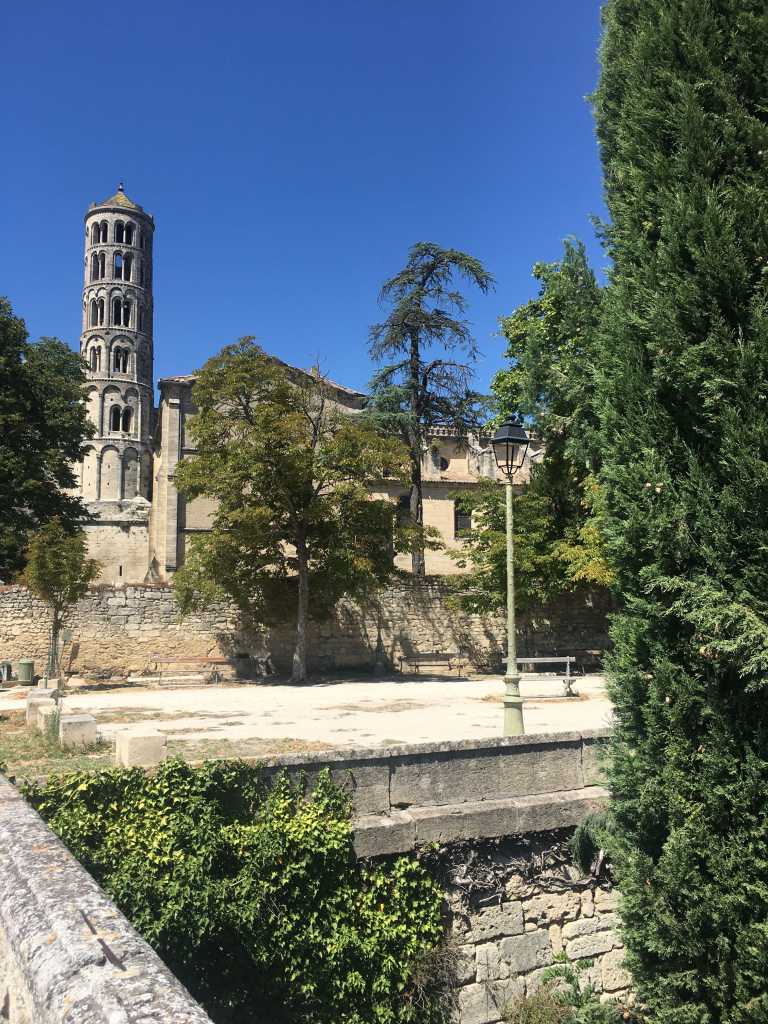
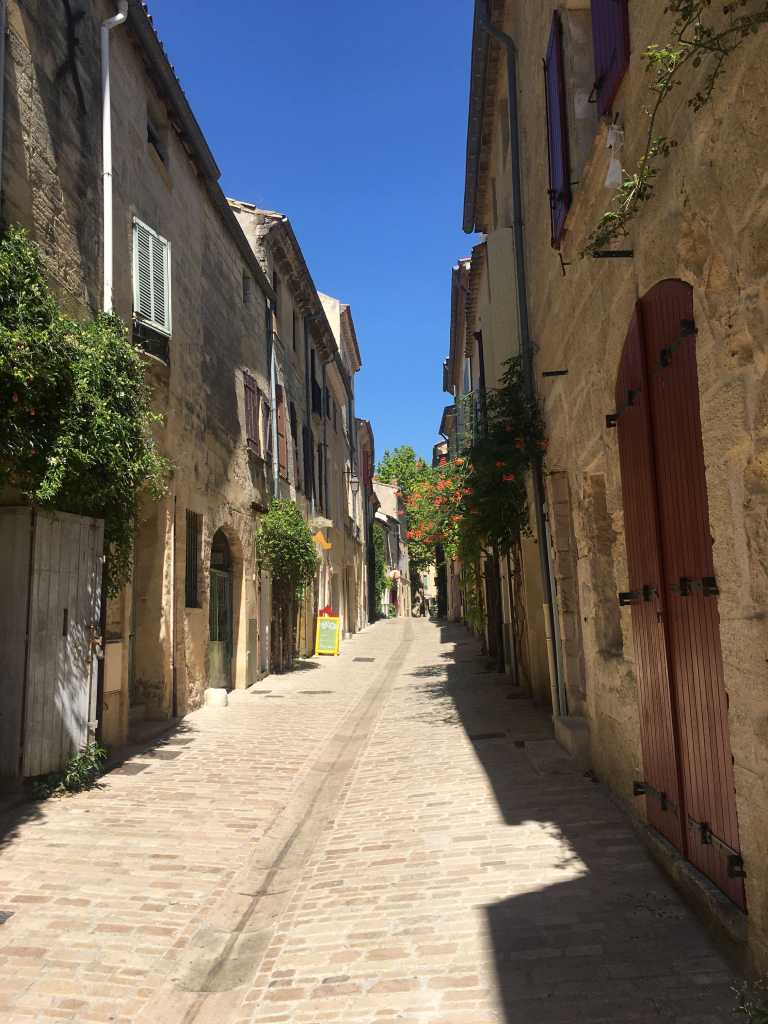
And so, after leaving Pont du Gard we follow the prettiest street, which leads us west and 15 minutes later we see the gorgeous town of Uzès towering on a hill. Selina and I take it as a sign, park the car in a shady parking spot on the outskirts and walk up the main street leading to the town entrance. We visit the little Palazzo overlooking the vines and are immediately teleported to somewhere in Tuscany. A little hungry, we walk through the narrow, cobblestone streets and marvel at the pretty windows and balconies.
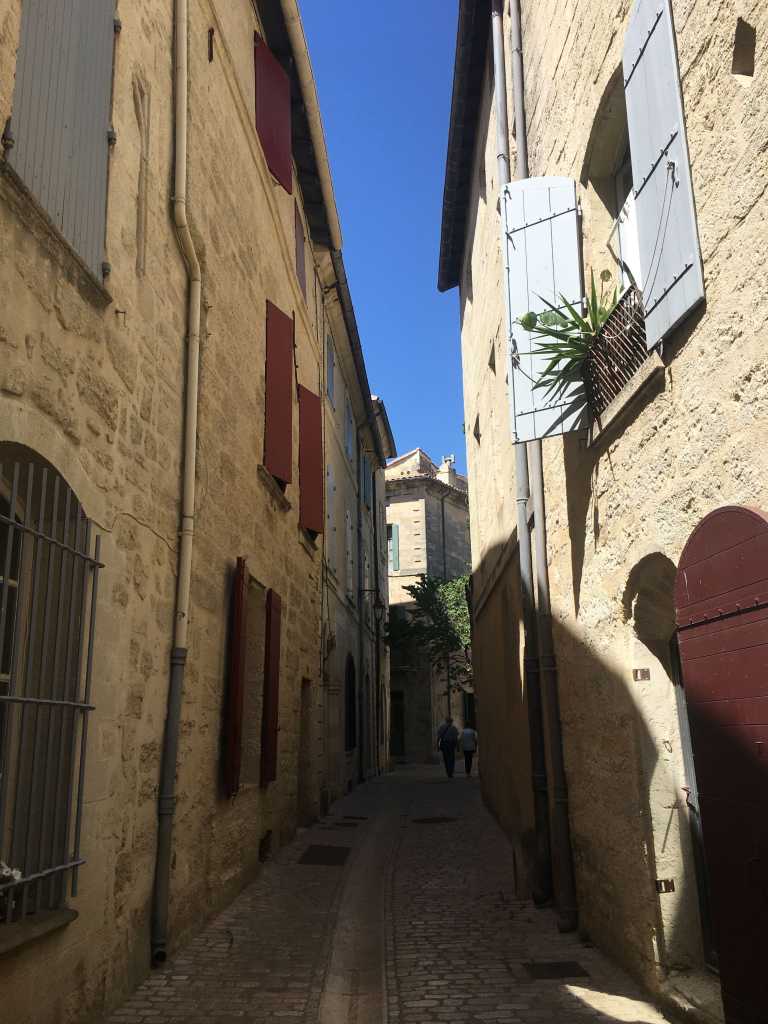
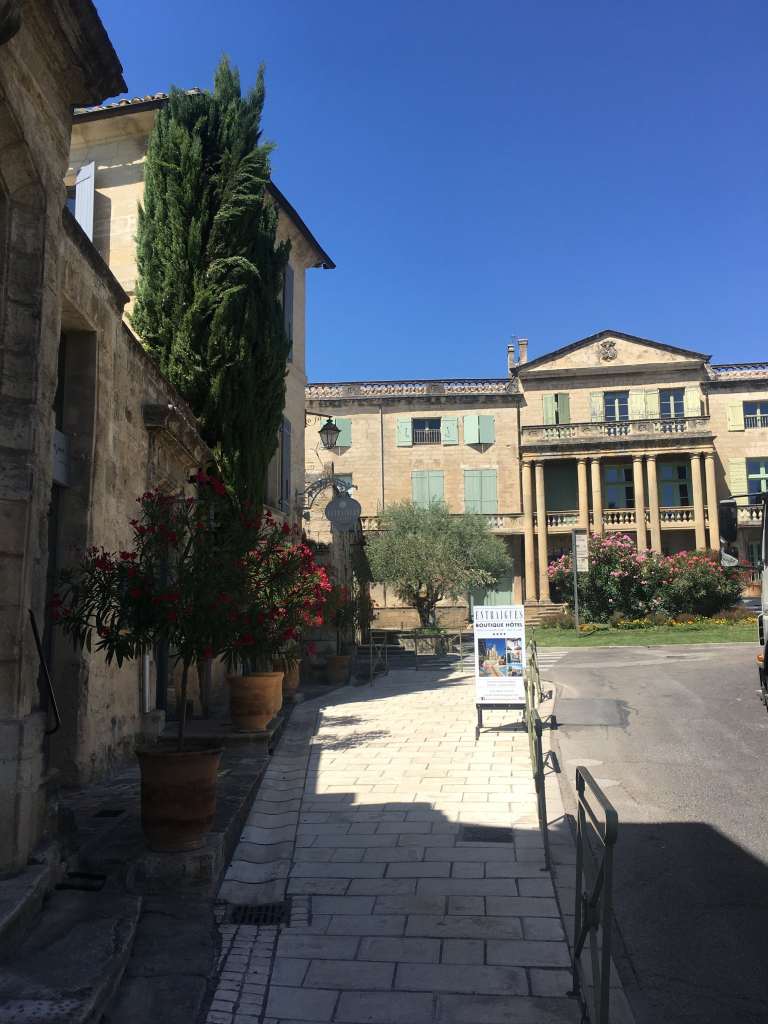
Following the steady stream of tourists, we make it to the main street and a ton of restaurants. Most of them are already fully booked on this beautiful day but we find a table at a typically french bistrot. With fresh energy, we continue to wander the alleys, take a couple pictures here and there, befriend stray cats and eat ice cream on the main square. Though we could easily carry on like this for the rest of our vacation, we decide to leave this magical place and slowly return to the coast.
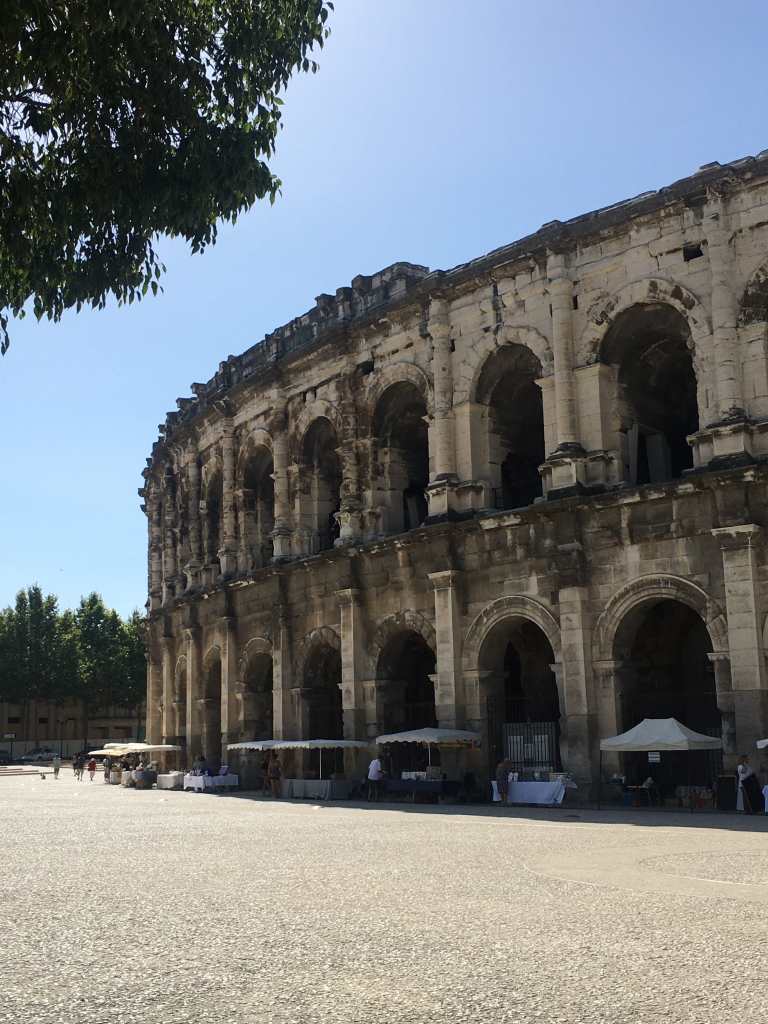
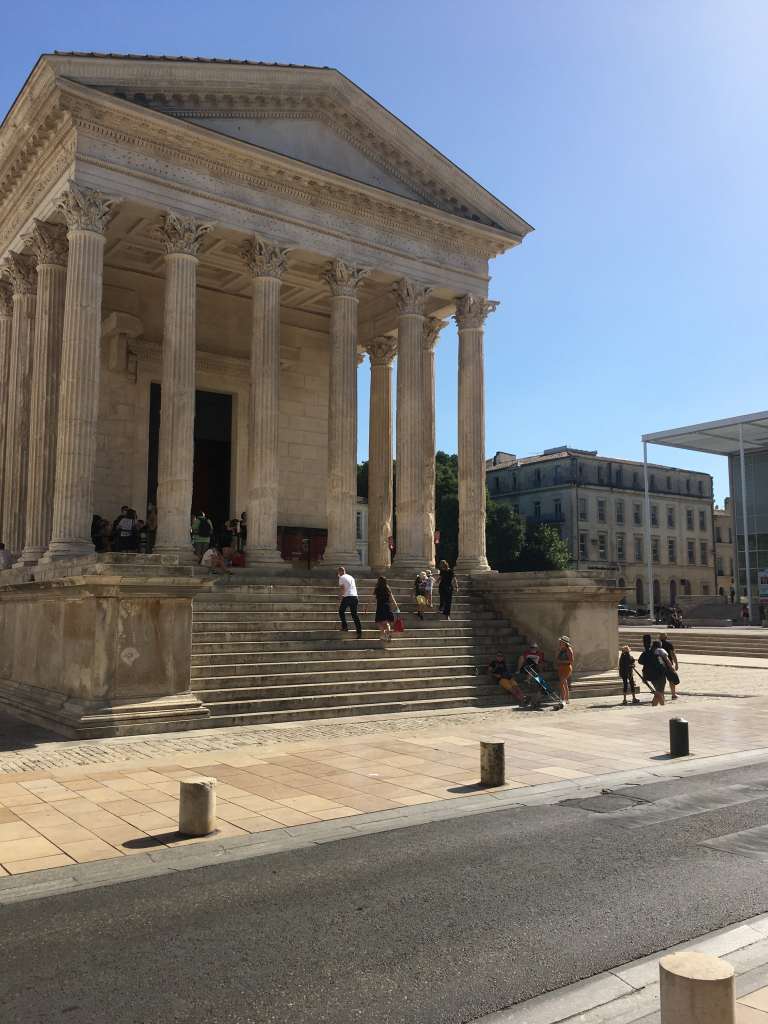
Having seen a sign on the highway close to Nímes with an amphitheatre painted on it on the way up, we stop there before returning to our campground. The amphitheatre in the centre of the Nímes, which looks just like the Colosseum in Rome, is the city’s best known attraction. From there, lots of tight-knit alleys with painted window shutters lead to the Old Town. On the other end, you find the Maison Carrée – a Roman temple and archaeological site. It’s built with the same light stone as the amphitheatre and one of the few public places in the city centre which provide a bit of shade to hide from the summer heat.
The last town influenced by the Romans we visit is Montpellier. Selina stayed there a couple years back to study French and wants to visit her host family. Here the streets are narrow, there are cozy squares and weathered fountains. There are lots of shops by global brands, but tiny boutiques too. Our first stop is an alley which becomes a postcard-shop during the day. After lunch in the world’s best bagel shop, we make our way to the west.
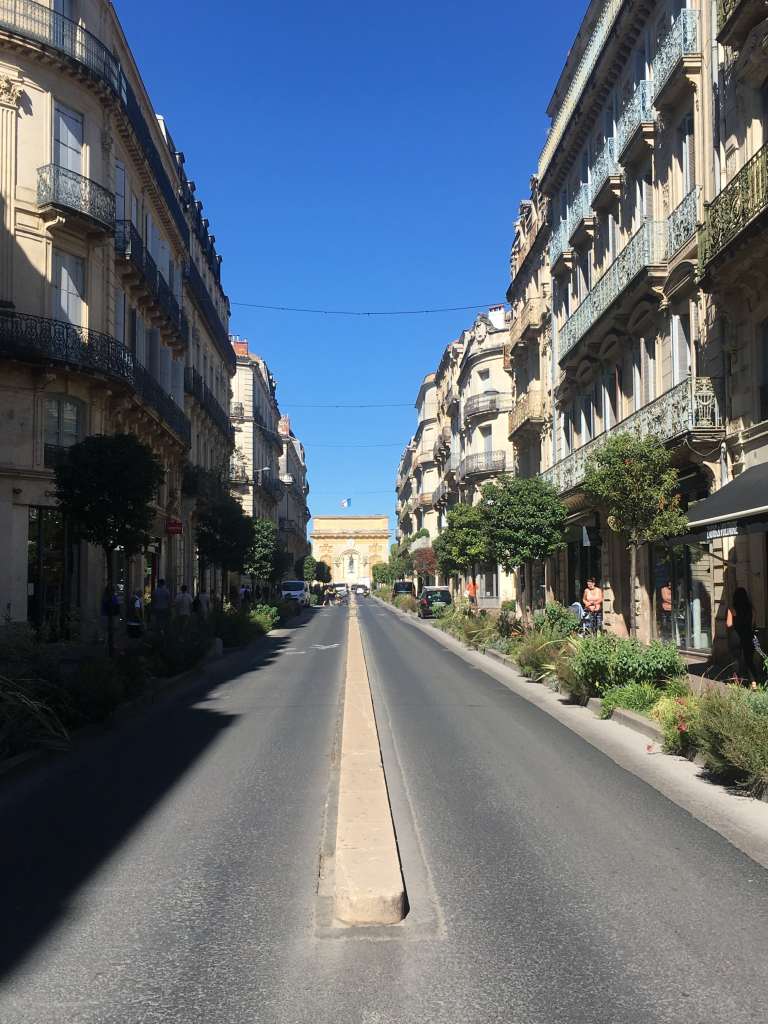
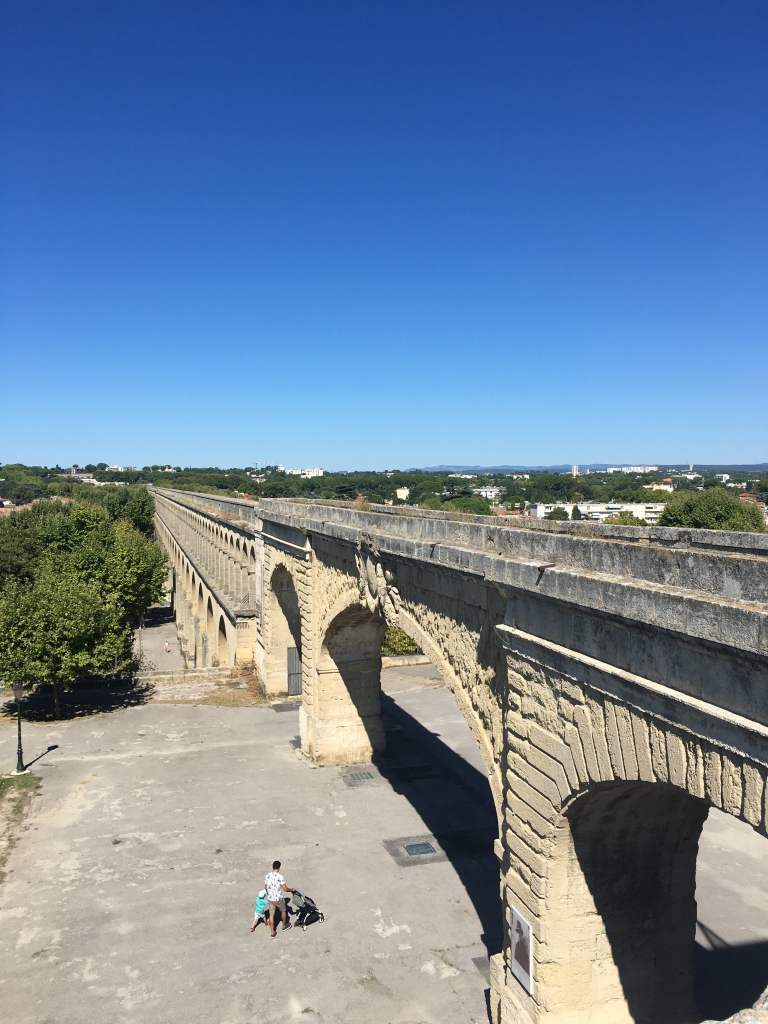
Walking up the Rue Foch, we spot yet another monument reminding us of another European capital – it’s the Arc de Triomphe! The Porte de Peyrou leads to the park called Promenade de Peyrou. In the shade of big trees, we walk to the end of the park where an aqueduct begins. It’s smaller than Pont du Gard but still very impressive. In need of a break from walking, we look for one of the many cafés. A little shopping spree later, we start our journey back to the campground.
 thattravelstory