Japan – March 2018
If there is one thing to do in Kyōto – apart from getting a tattoo – it’s visiting some of the city’s countless temples and shrines. Japan‘s ancient capital boasts Shinto shrines and Buddhist temples in any shape and colour you can imagine. As it is impossible to visit all of them, especially if you‘re just visiting for a few days, here is a list of the most famous ones. I have visited all of them myself and I did not get tired of temples in the process.
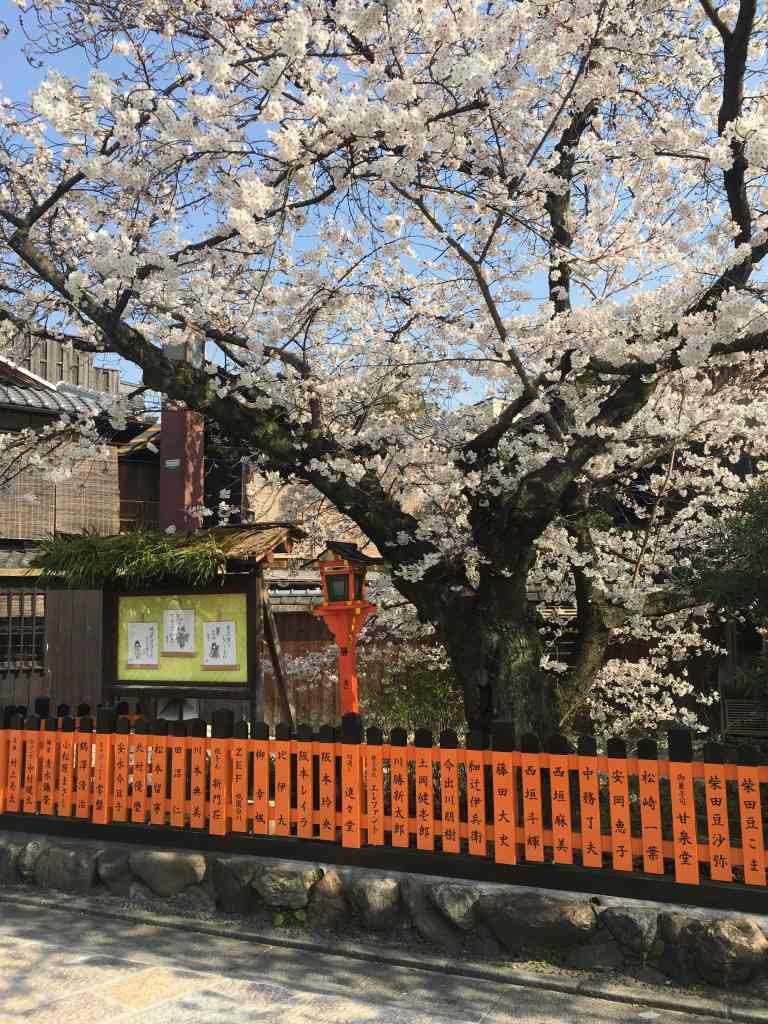
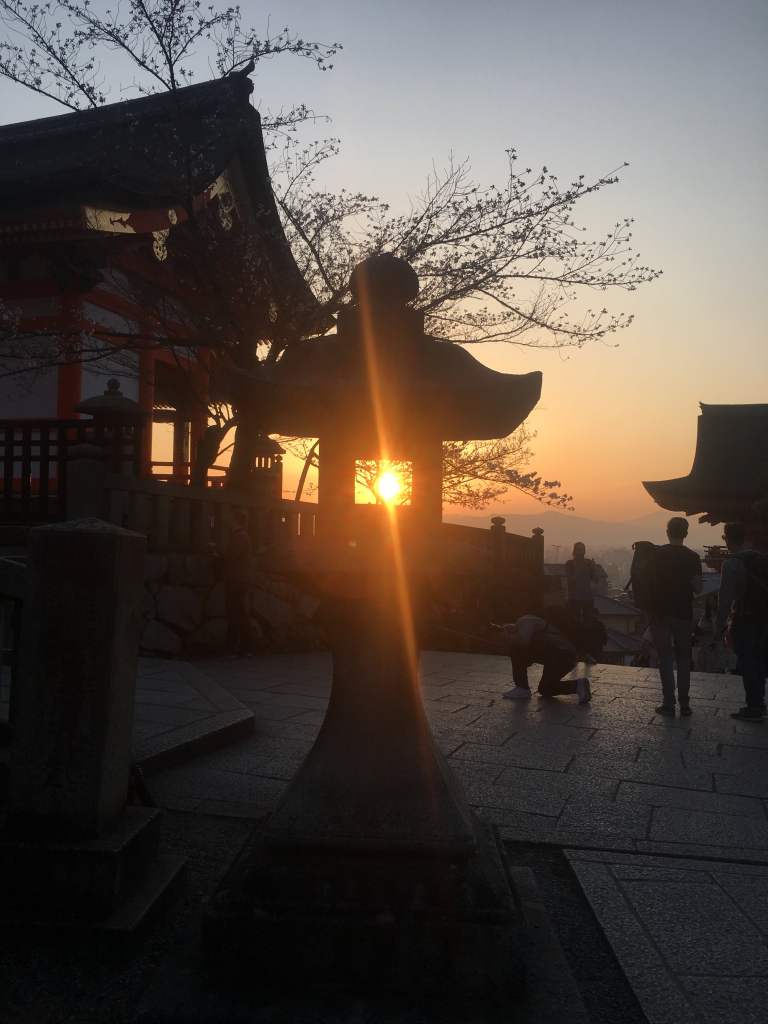
During my first visit to Kyōto, my friend and I stay at a guest house close to Gion. This district located in eastern Kyōto is considered the old town. It‘s also called the „Geisha-District“ and home to old merchant houses. My number one temple I want to visit is up on the hill south of Gion. Kiyomizu-dera is especially beautiful during spring and fall, when the cherry blossom trees are in full bloom or the leaves change their colour. We head there for sunset and on the way briefly catch a glimpse of Yasaka Shrine. The red and white building can easily be seen from the street, and we will pass it many times during our stay in Kyōto. But for now, we’re focused on our goal to make it up the hill for sunset. We eventually get there, and it’s definitely worth the hike.
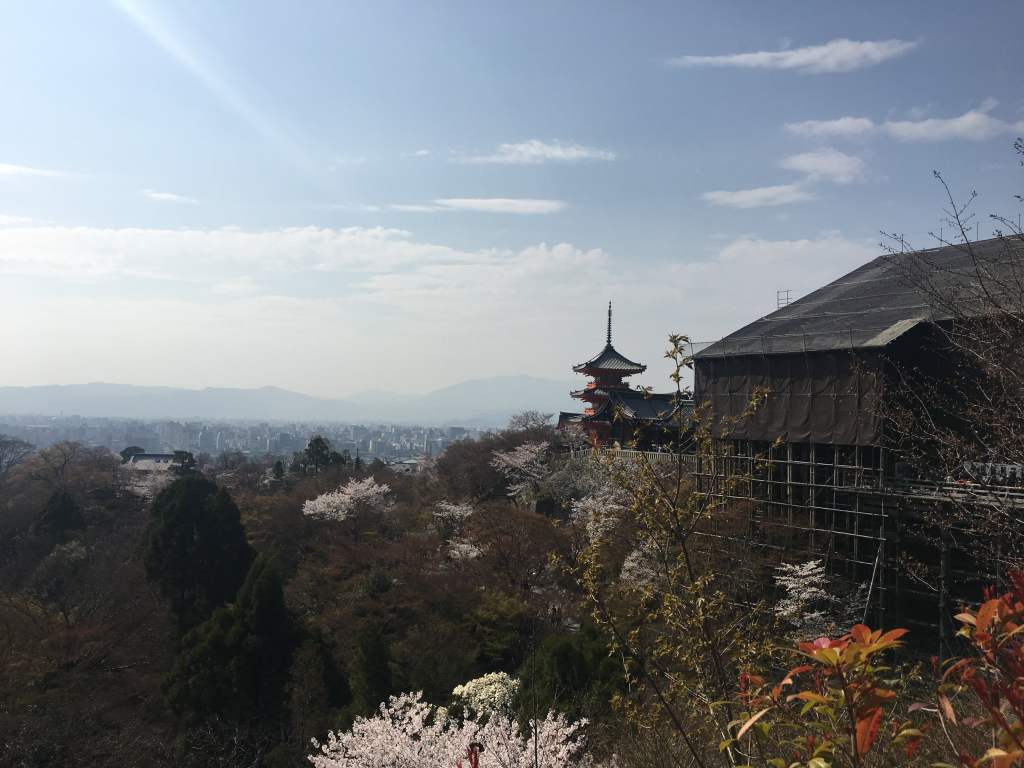
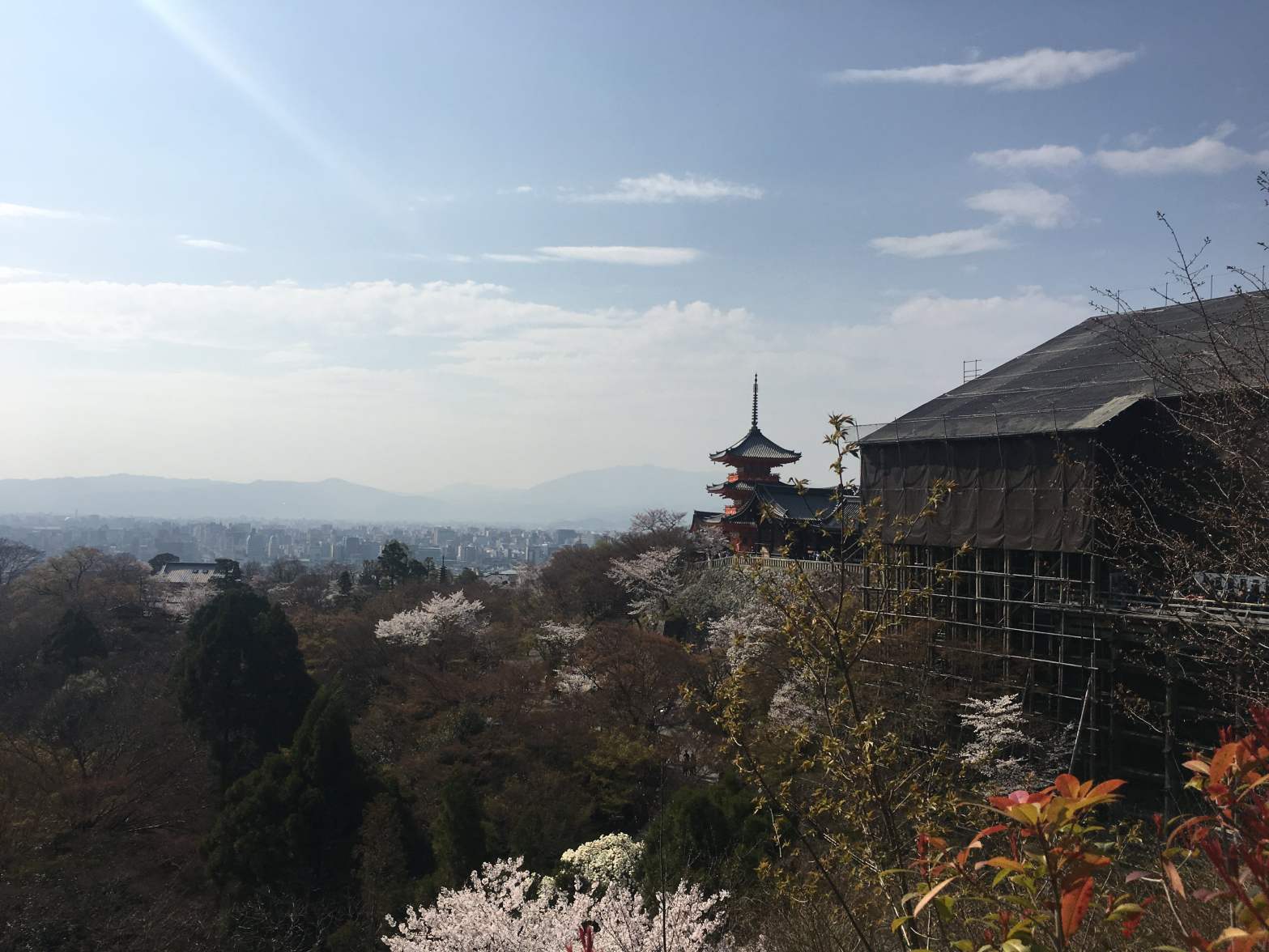
The main temple is made from dark wood and provides an excellent contrast to the colorful leaves and blossoms of the surrounding trees. After gazing at the view of the city, we follow the crowd and do our best in capturing the sunset and the pagodas from different angles. There are quite a lot of people, and it’s not exactly easy to take all the pictures without any of them crashing our photos. We still have a great time though, and I particularly remember the walk back down to town. As we slowly make our way down the small alley lined with tiny shops, the sky above the old samurai-style houses shines in purple and the pink cherry blossom trees turn white under the last rays of sunlight. We finally return to the main street and treat ourselves to a fine teppanyaki dinner.
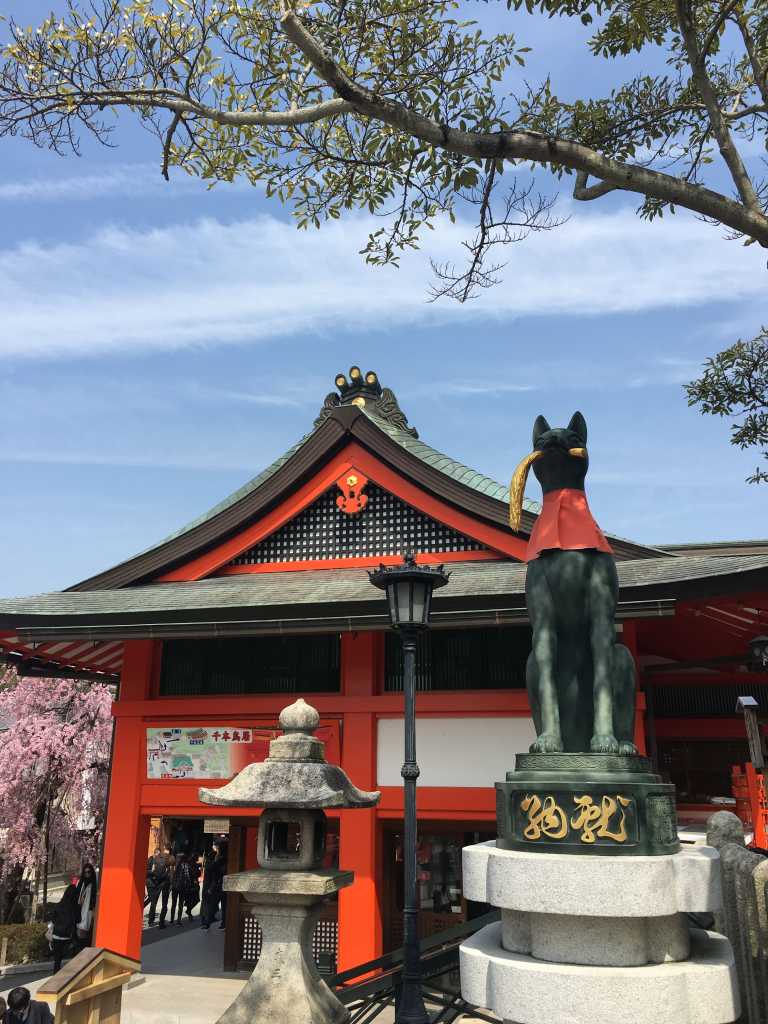
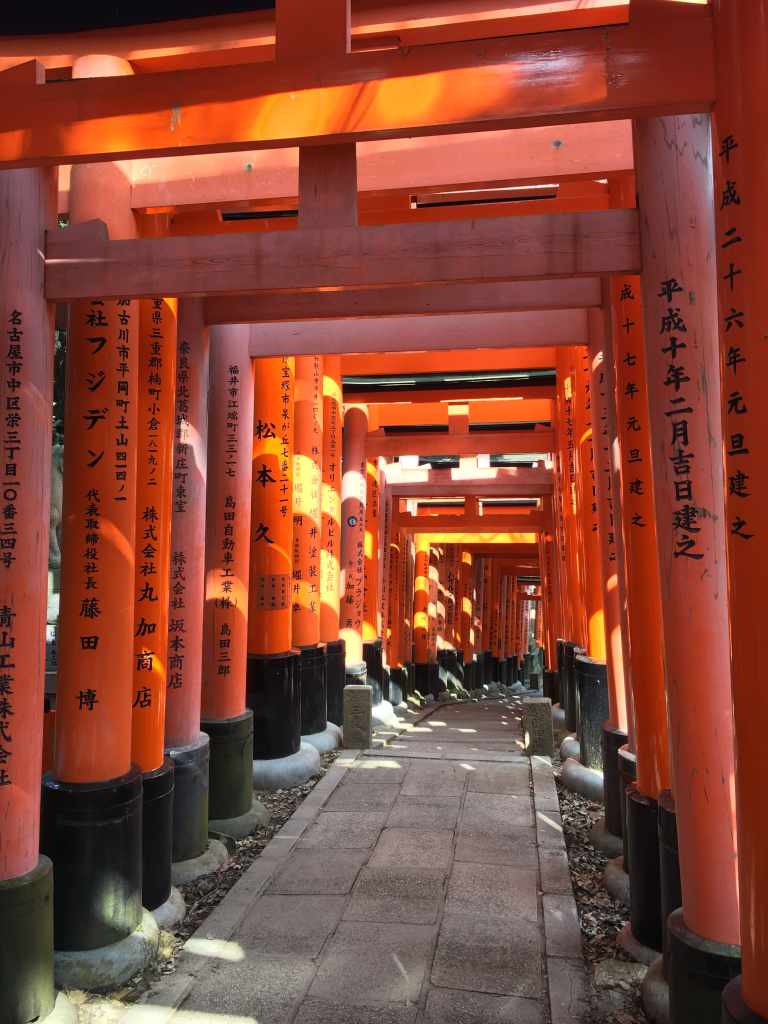
The next day, we want to cross off another item on the bucket list. It’s the Fushimi Inari Taisha Shrine, which is famous for its thousands of red torii gates. As it’s located quite far in the south of Kyōto, we take the Keihan Main Line from Gion-Shijo station to Fushimi Inari station. Of course, the train is packed with foreign tourists, and at the main entrance, the mass of people is met by even more tour groups, descending from big busses. Fortunately, they take their time to gather and take pictures at the main entrance with the big fox statues. So we quickly walk past them and make our way to the beginning of the torii-lined paths. All the torii have been donated by Japanese companies and make the uphill walk a lot more enjoyable, as they are a good excuse to take breaks for pictures. As there are so many of them, there will be a quiet corner to take pictures with no other people, despite the number of visitors.
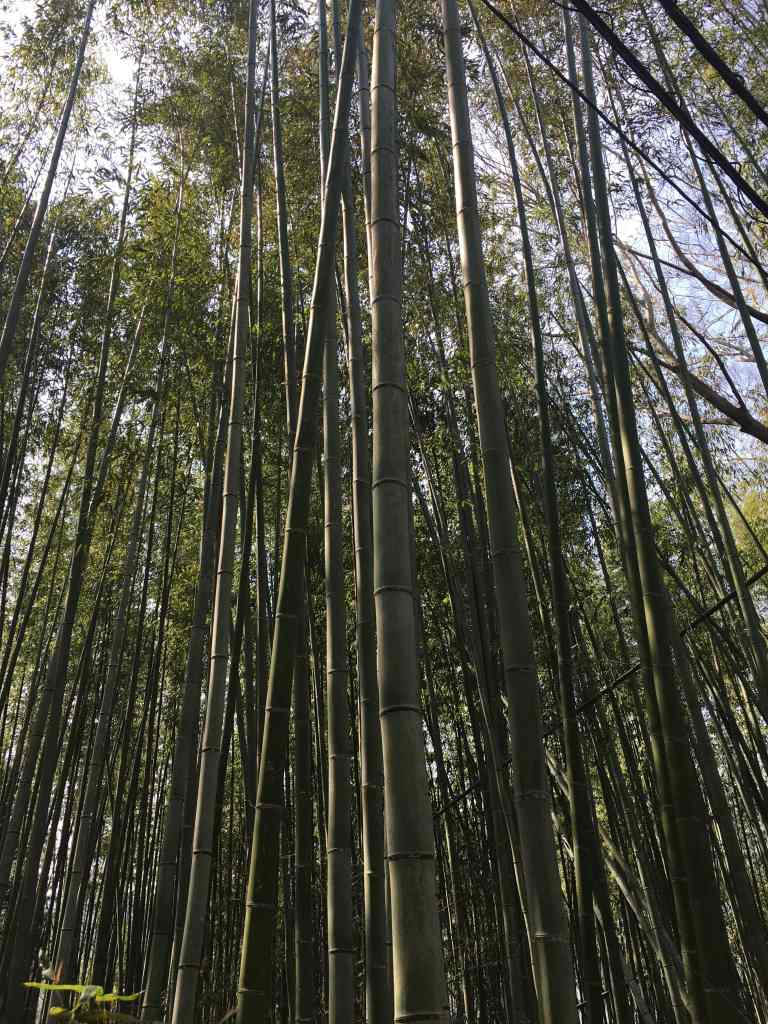

Another temple we visit is the Tenryū-ji temple. However, this one ended up being more of a nice addition to our visit to the nearby Arashiyama Bamboo Forest and the Togetsukyo Bridge. We walk past the temple on the way from the train station to the entrance of the 500-meter-long path through the bamboo groves. Again, this is one of the most popular sights in Kyōto, so you won’t be alone. But the endless amount of bamboo stalks make for a great backdrop for any (amateur) photographer. My friend and I go a little off the beaten path and a few steps into the bamboo grove we find ourselves in another world. We lose track of time for a while and spend almost an hour exploring the bamboo forest. After once again being guided by the crowd, we find Togetsukyo Bridge. A gem of a wooden bridge, we would not have known otherwise. We spend a little while just sitting by the river, people-watching, before heading off to the next stop.
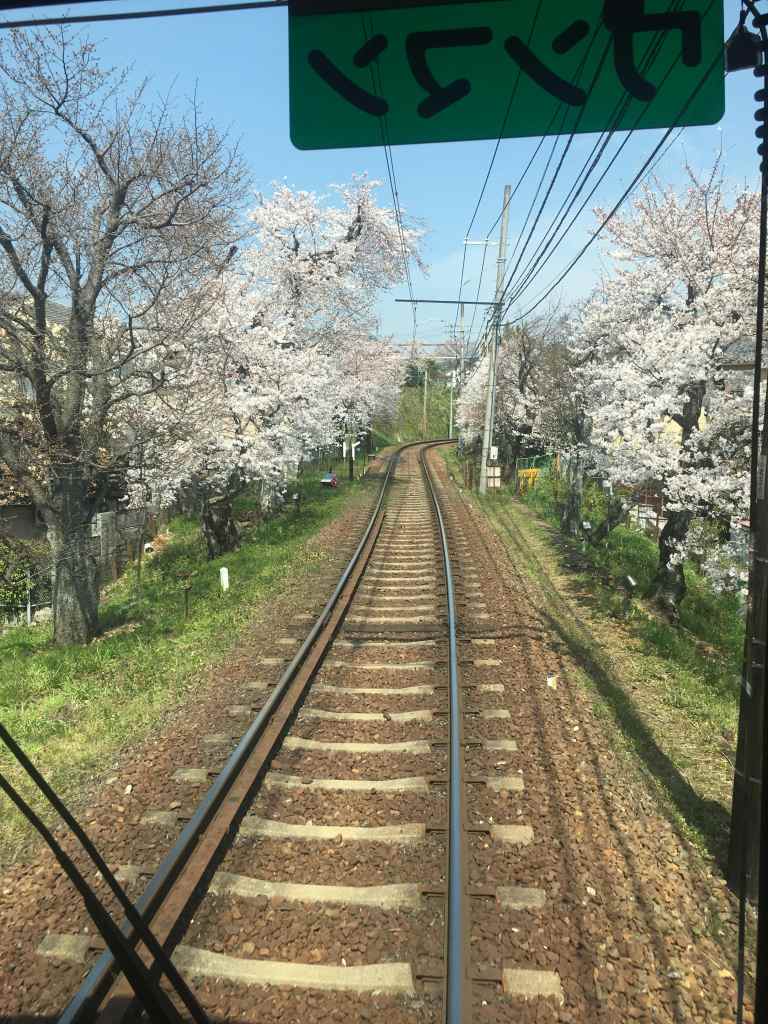
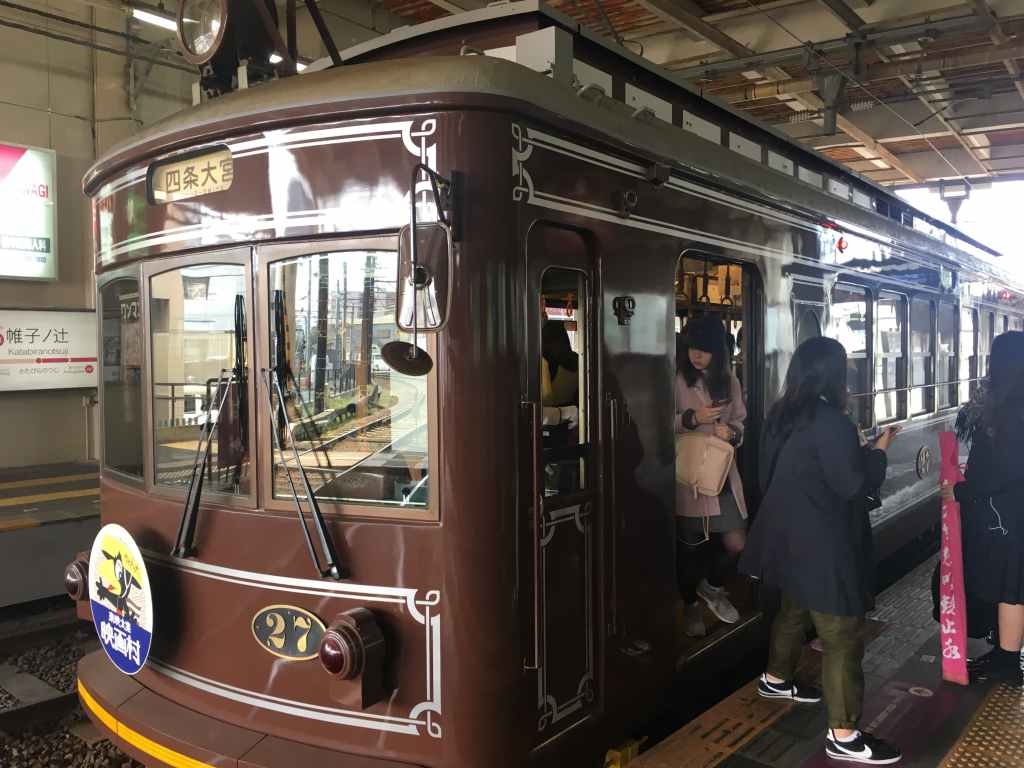
Another must-see when in Kyōto is Kinkakuji Temple also known as the Golden Temple, due to its colour. It’s located in the north of the old capital and conveniently enough in walking distance from the Randen station “Kitanohakubaicho”. Randen is the name of Kyōto’s tram lines and especially during cherry blossom season well worth a ride. So we first take the red line from Arashiyama station to Katabiranotsuji station, where we switch to the blue line. In total, this trip takes us around 20 minutes, and we enjoy all of it looking at the blooming trees through the rear window of the small tram car. Once we arrive at the final stop, it’s a 20-minute walk to the Golden Temple. On the way, we pass a European-style bakery, and we make a mental note, to come back here later to buy some bread for lunch.
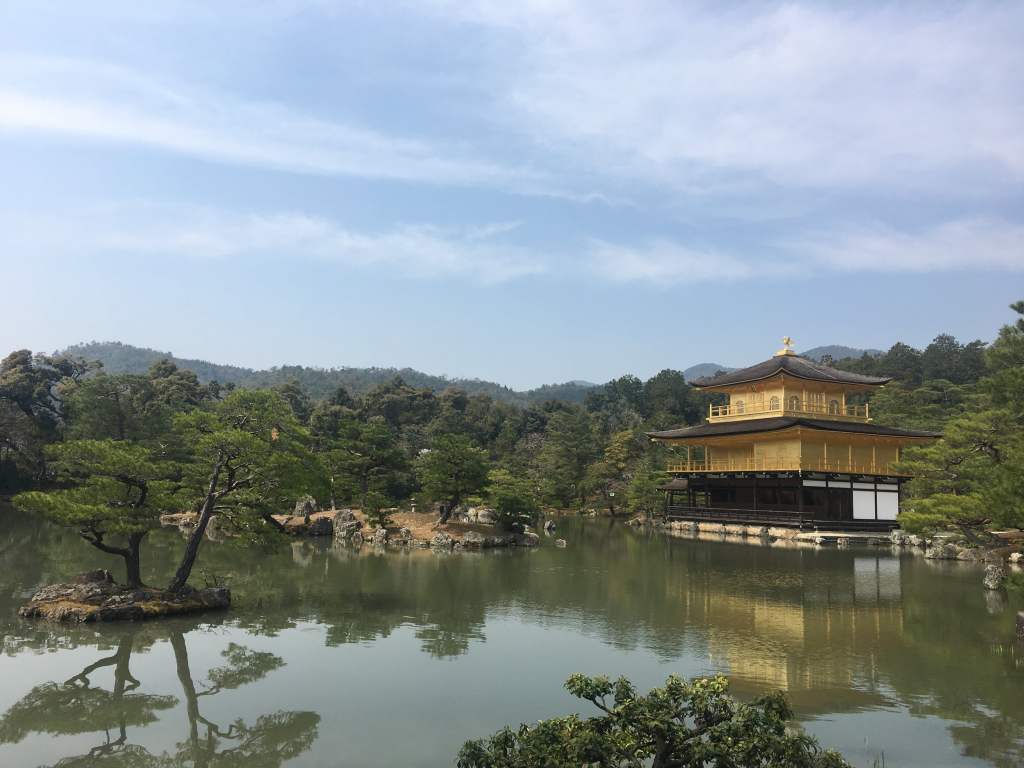
Kinkakuji Temple does not disappoint. It’s not only the golden pavilion nestled at the edge of a big pond that makes the trip worthwhile. The surrounding gardens are a great place to spend an hour or so just to relax and take a break from a busy day of sightseeing. We walk around the ponds and find a quiet bench to sit down on for a few minutes. We look at the tourists taking pictures and only realize how much time we’ve spent on our temple run when our stomachs start to grumble. So we head back to the bakery we saw before, buy some bread, and head to the metro station to take a train back to the city center.
 thattravelstory
One thought on “Temple run in Kyōto”