
Asia – Spring 2023
A question people asked me very frequently when I was in South Korea: is it the same as Japan and which country do you like better. Of course, travelling to Jeju Island directly from Kyushu, I couldn‘t help but often compare the two myself. The easy answer to the questions above is: no, the two countries and their respective cultures are not the same at all. And because of that, I cannot simply choose which I like better. The more nuanced version, you find in the post below.

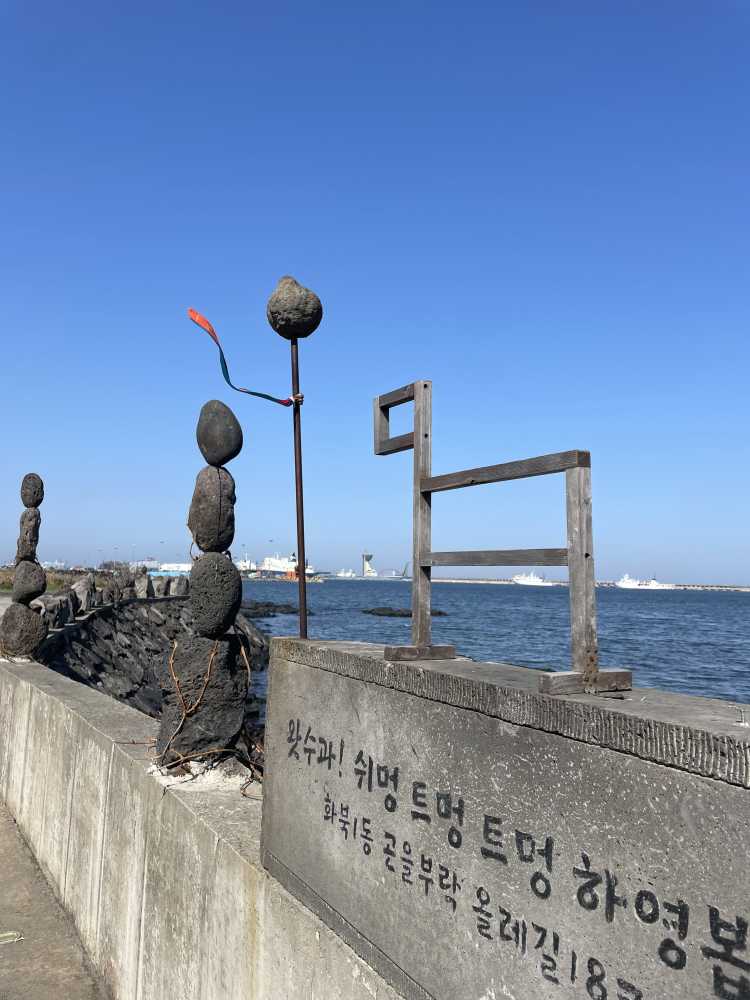
Let’s start with the things Japan and South Korea have in common. As their recent history is very much entangled due to the Japanese occupation of Korea which lasted until the end of WW2, and both of them being Eastern Asian countries, there are many similarities (especially from a Western/European viewpoint). There are the obvious ones like bowing over handshakes, rather conservative and patriarchal customs, respect for elders, excessive drinking, their love for food, both countries‘ people are quite active, the entertainment industries (K-Dramas & Manga/Anime is popular in both countries), futons & sliding doors, convenience stores, use of plastic, they are very serious about recycling, … the list is long.
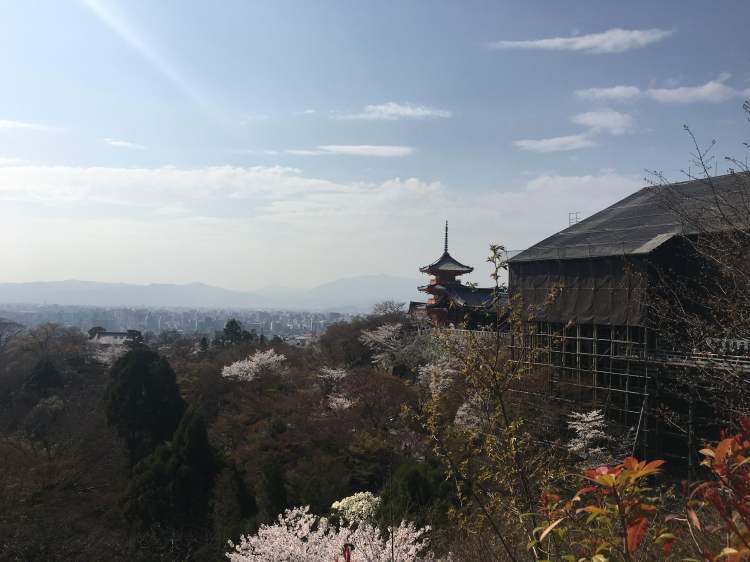
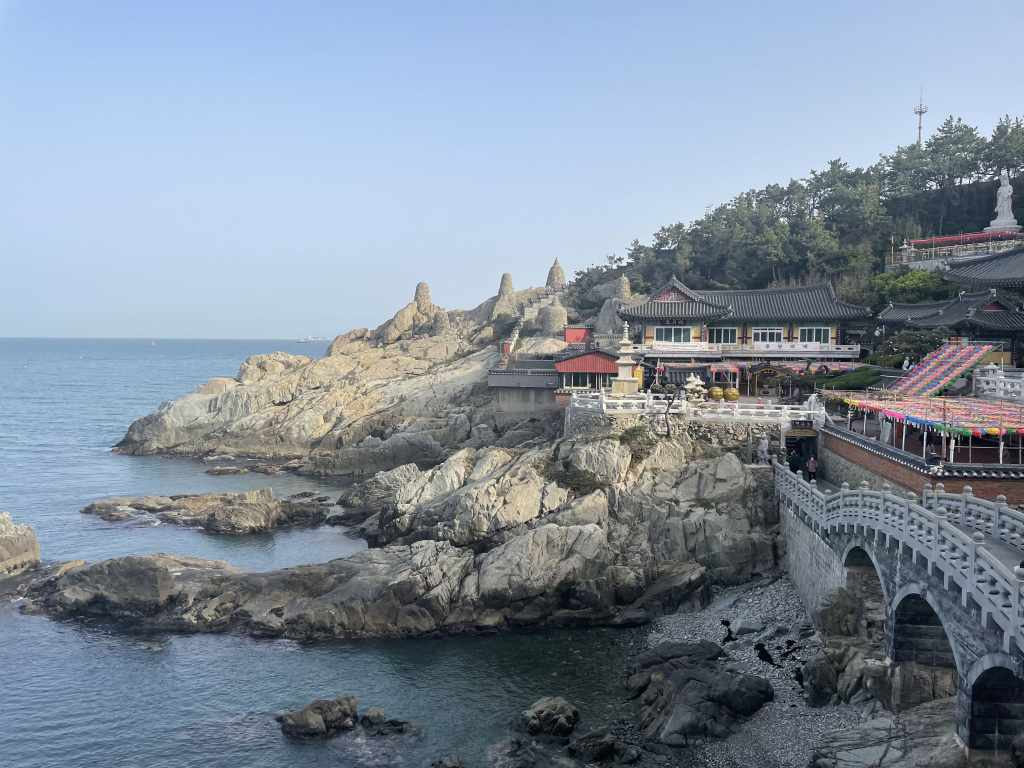
But when looking more closely, there are just as many differences. Firstly, there is the language. Both pronunciation and writing systems are drastically different. Then we have the architecture, traditional clothing, the cuisine!, and religion. Both countries are diverse in religious aspects. However, in Japan I have definitely seen more Buddhist temples or Shinto shrines, while in Korea it‘s predominantly churches. Let‘s see what else we got.
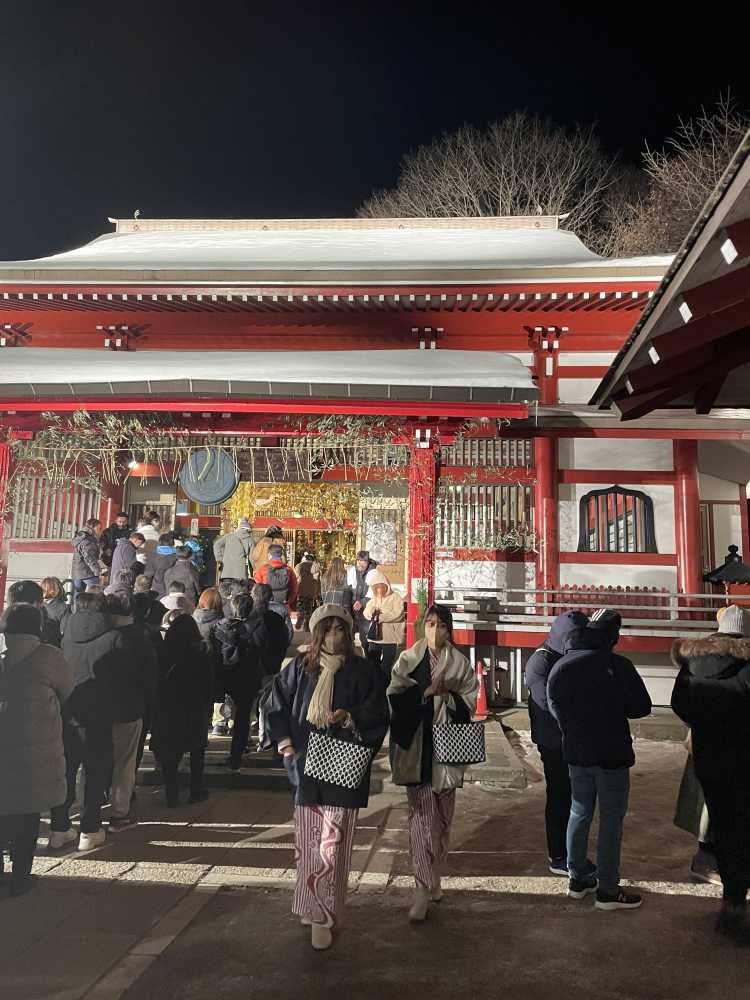

Transportation is a big one too: in Japan, they drive on the left side of the street, public transportation is mostly reliant on trains and the prices are definitely higher than in Korea. The people are generally more reserved and have a more traditional mindset. Not only regarding interpersonal relations but also in an “it‘s always been this way, so why should we change it”-matter. I have several times encountered people running away from me because they were scared to speak English. Fellow foreigners have mentioned often that they perceive the Japanese as “robots”. I personally wouldn‘t go as far as making a statement that all Japanese people are like that, but there is definitely a culture of following rules very strictly.
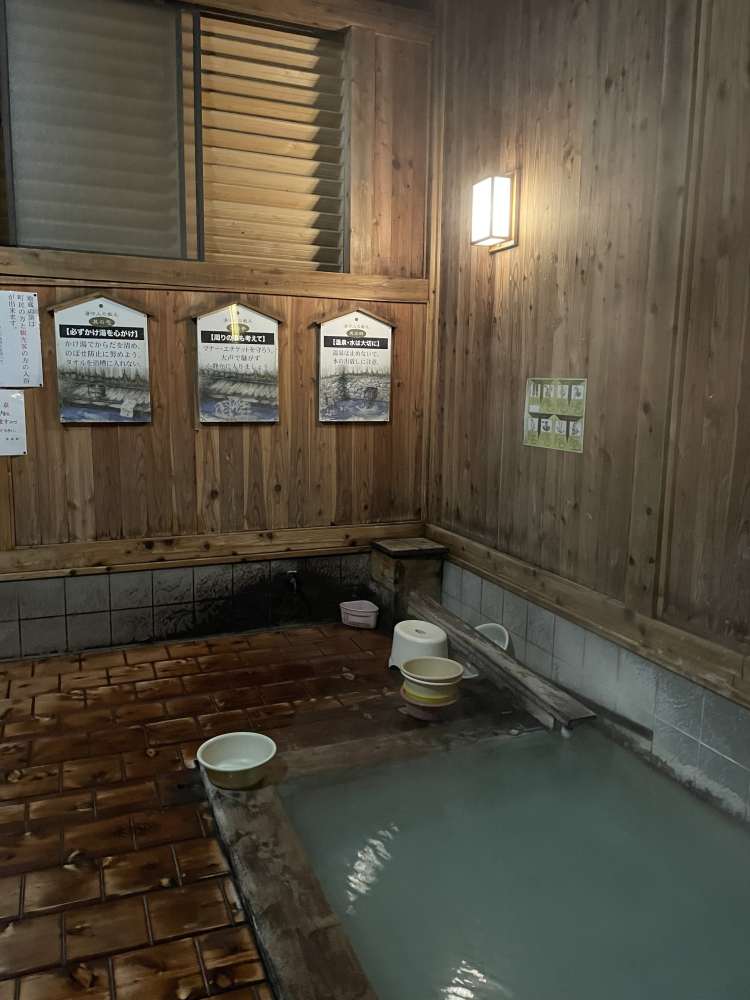
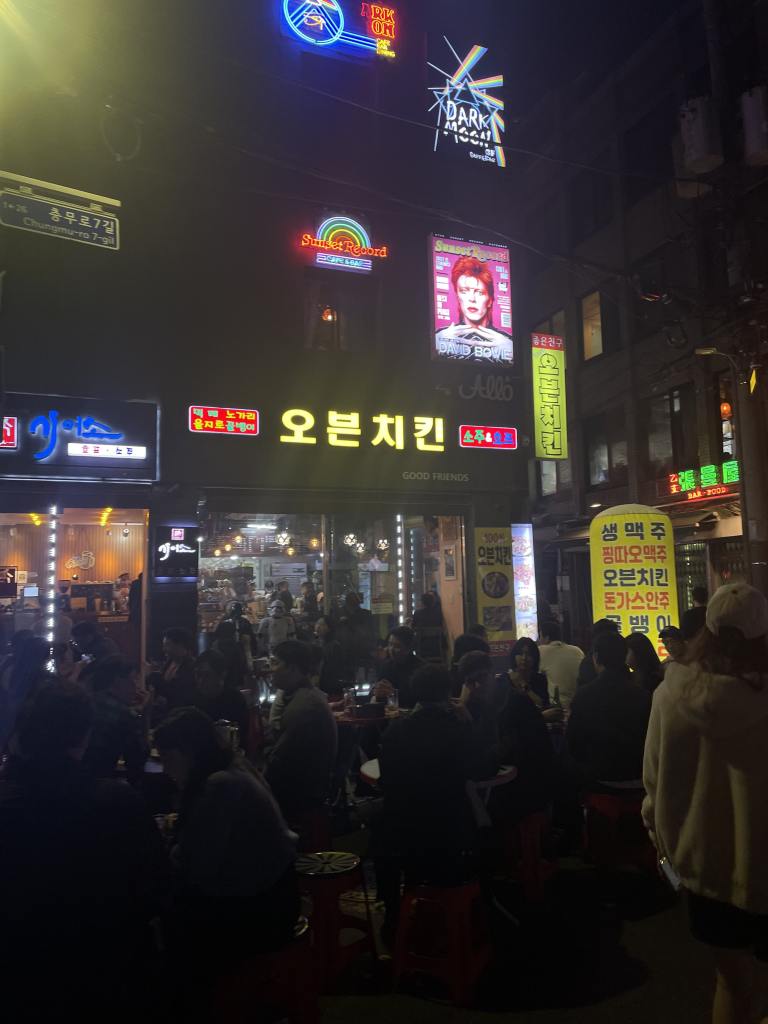
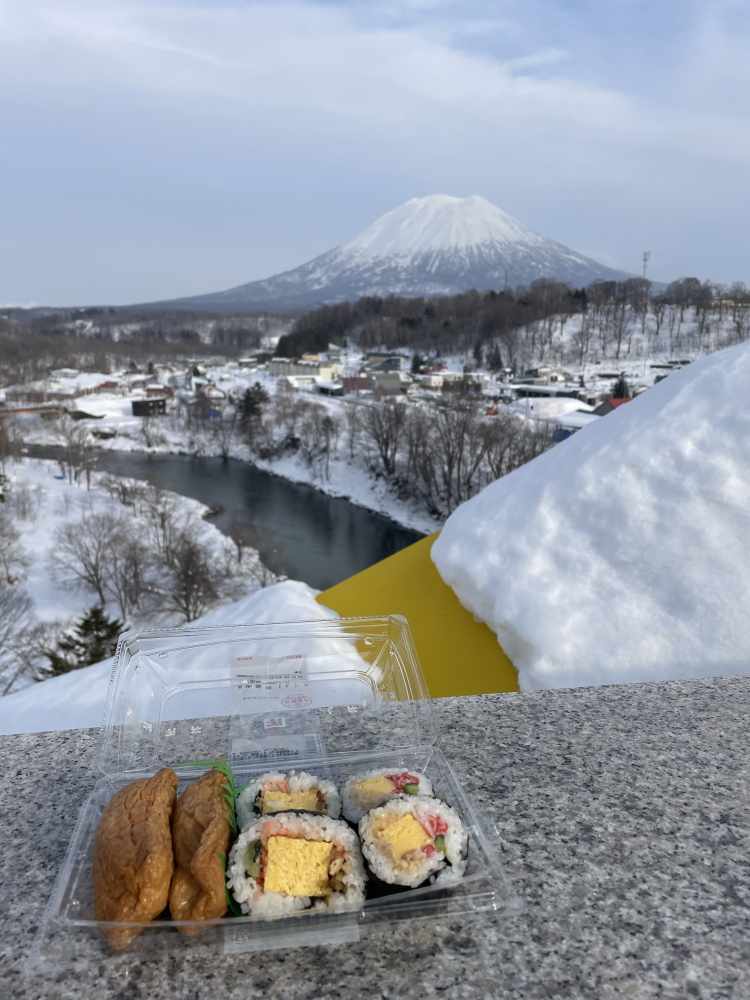
Despite the Western impression of it being a very technologically advanced country with talking toilets and robots, fax machines are still widely in use. Another particularly Japanese thing is the Onsen culture which you will not find in Korea. Finally: the food. I love Japanese cuisine and it’s so diverse. But compared to Korean dishes, definitely on the blander side. Additionally, they use wooden chopsticks for any kind of meal. You will get a spoon to eat soup, but that‘s it.
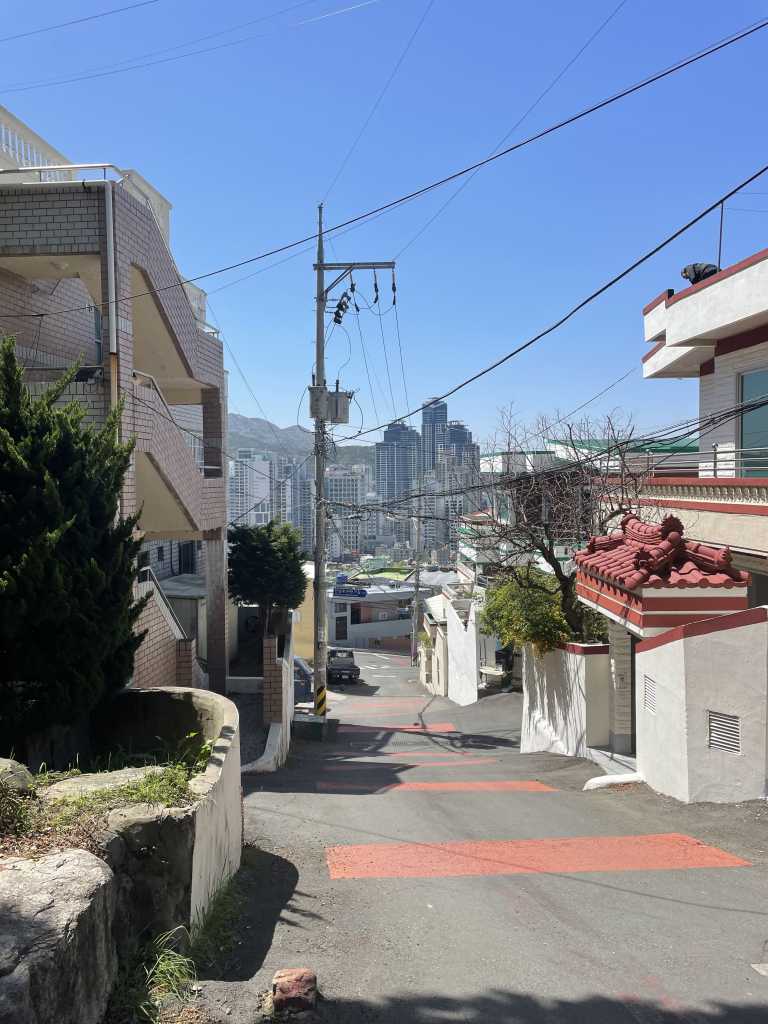
Now let‘s look at South Korea. Here you definitely feel the influence of the many countries who have been interfering in the past. There is a lot more English information available and despite its history very open and approachable towards foreigners. On the streets, you see more foreign & electric cars than in Japan. While there are high-speed trains here too, the public transportation system is definitely more bus based. Additionally, the metro stations in the cities are basically underground malls. In my opinion, the infrastructure in the countryside is better than in Japan and in general more modern. There are apps for EVERYTHING.
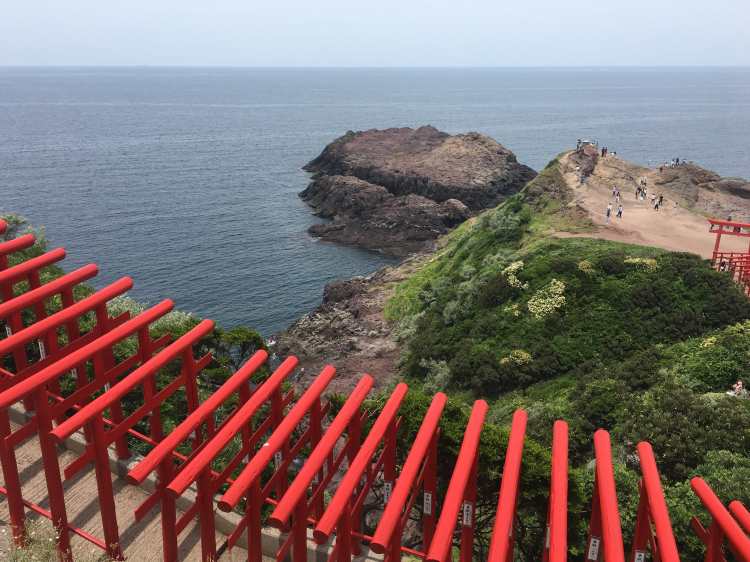
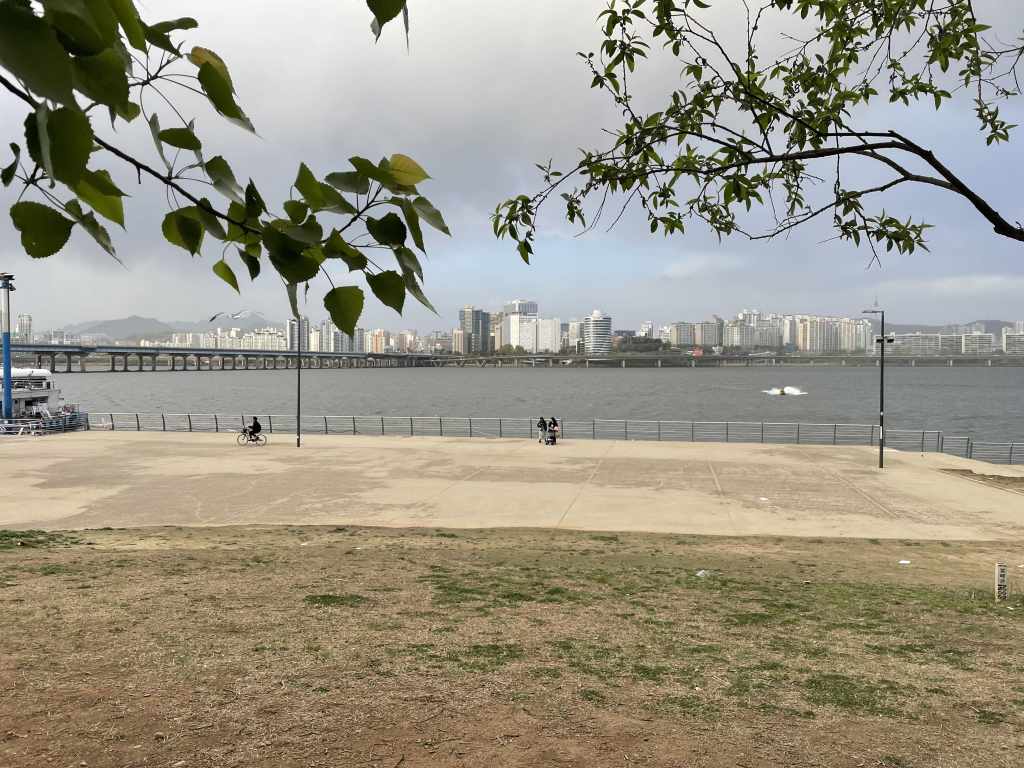
Everything is louder than in Japan: the dogs, the people on the trains, on the street and in the restaurants, and there is a lot of honking. The Korean equivalent of onsen is called jimjilbang: the 24-hour saunas. I haven’t experienced it myself, but from what I’ve heard from my Korean friends, they are as excited about it as the Japanese are about their hot springs. And finally, the spicy food. I have yet to eat a dish in Korea without some kind of hot sauce. Fried chicken is also a staple and is often combined with beer or soju. Eating is done with metal chopsticks and spoons (for rice, soup, etc.).
As you have read, there are many differences between the two countries and their respective cultures. And just as many things to be loved about them. Please do not ask me to choose which one I like better, because it is an impossible question to be answered for me.
 thattravelstory