Spain — July 2022
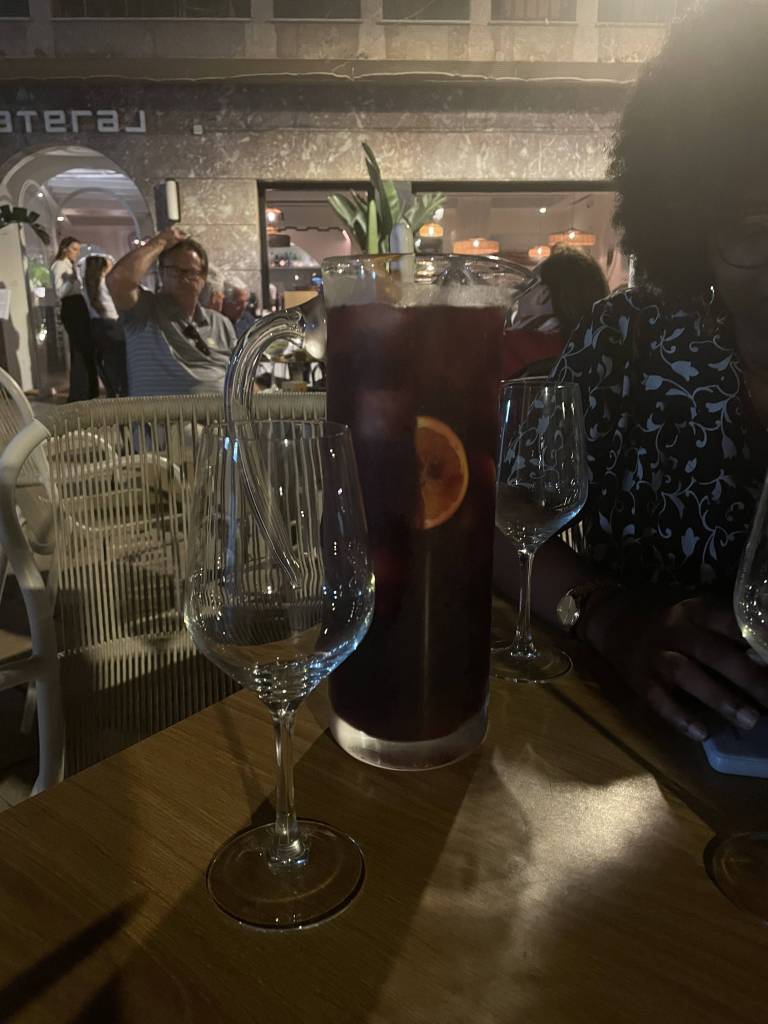
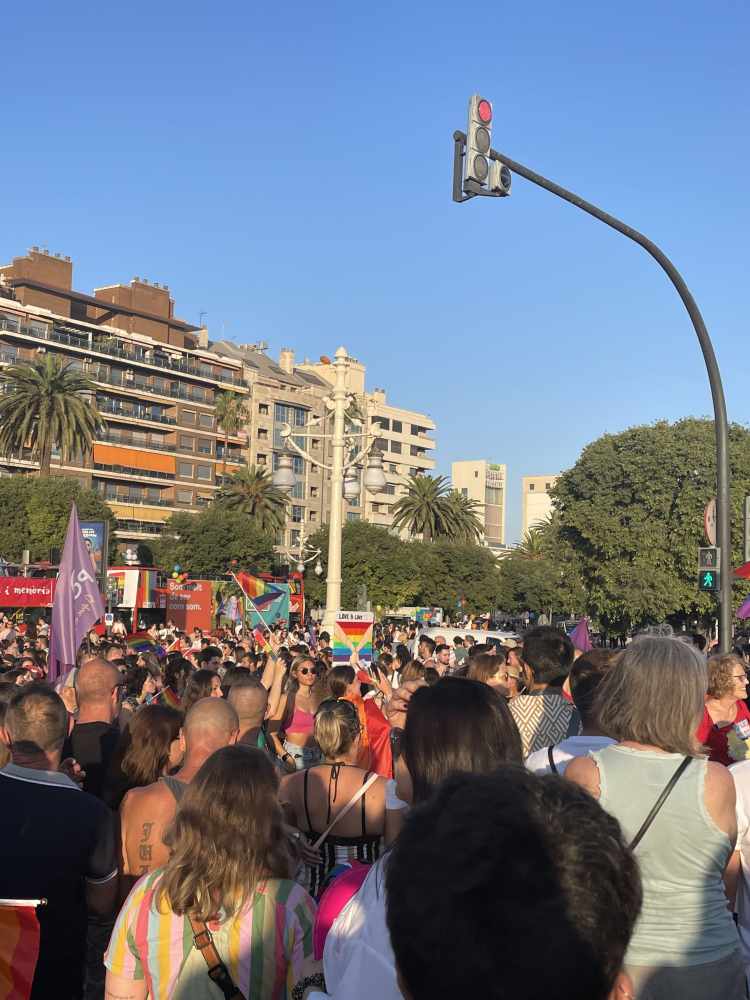
the people: I timed my arrival in Valencia, so I could attend the city’s Pride Parade. If you read my previous post about that event, you know that I meet some great people there. Julianne and Valeria are my main inspirations for the places that I visit during my time in Valencia. They even introduce me to some of their friends, and we spend several memorable nights out in the bars and plaza’s restaurants, drinking Sangria and dancing. Julianne also takes me to a Salsa night in a completely different part of town. While I’m not excelling at dancing, it’s still a fun experience, and on the way back home I overhear someone (successfully) using the following pickup line: “You can come over to my place, but I only have 1 single bed…”. On another occasion, a group of middle-aged locals ask us to join them in a beach club, which is something that would never happen in Central/Northern Europe.
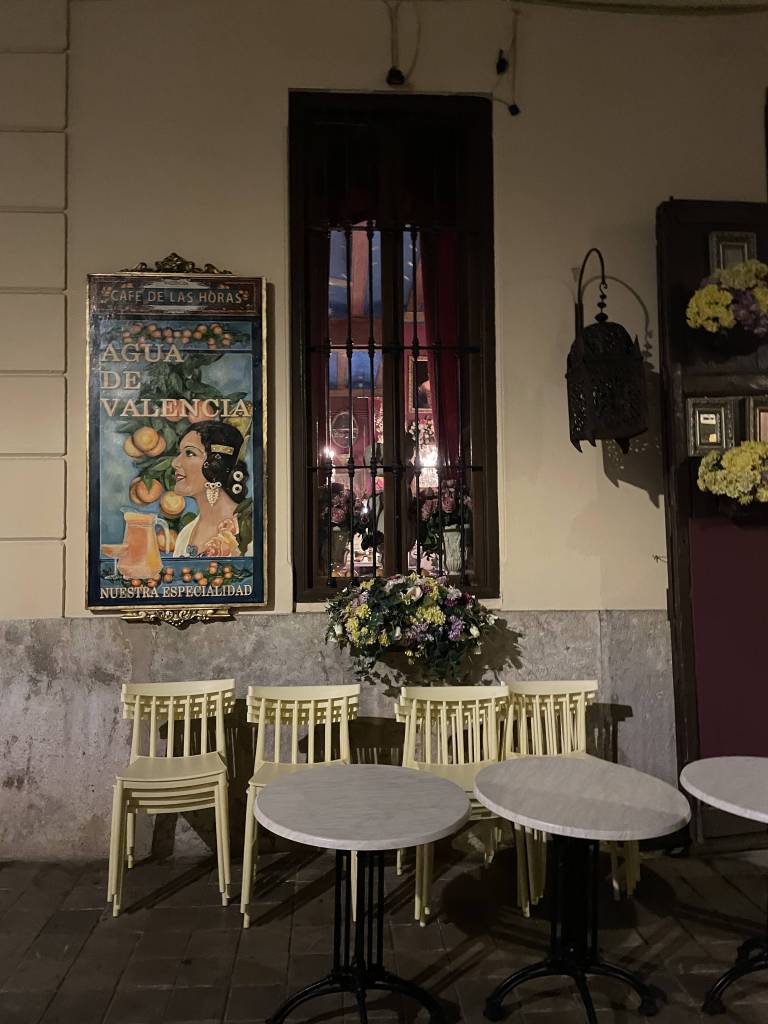
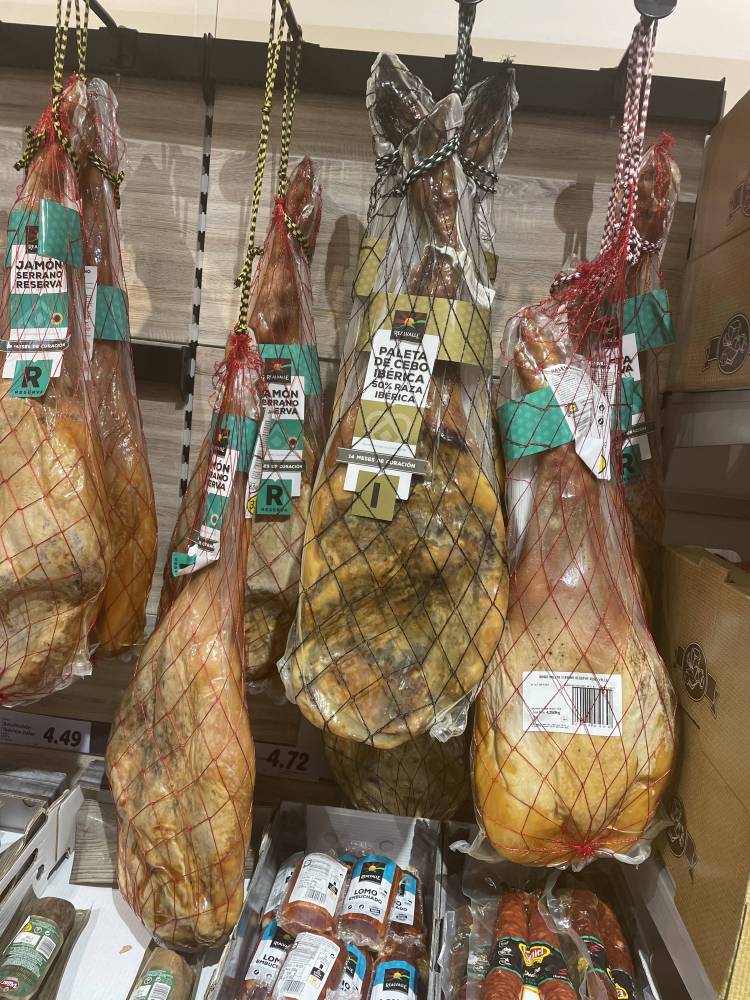
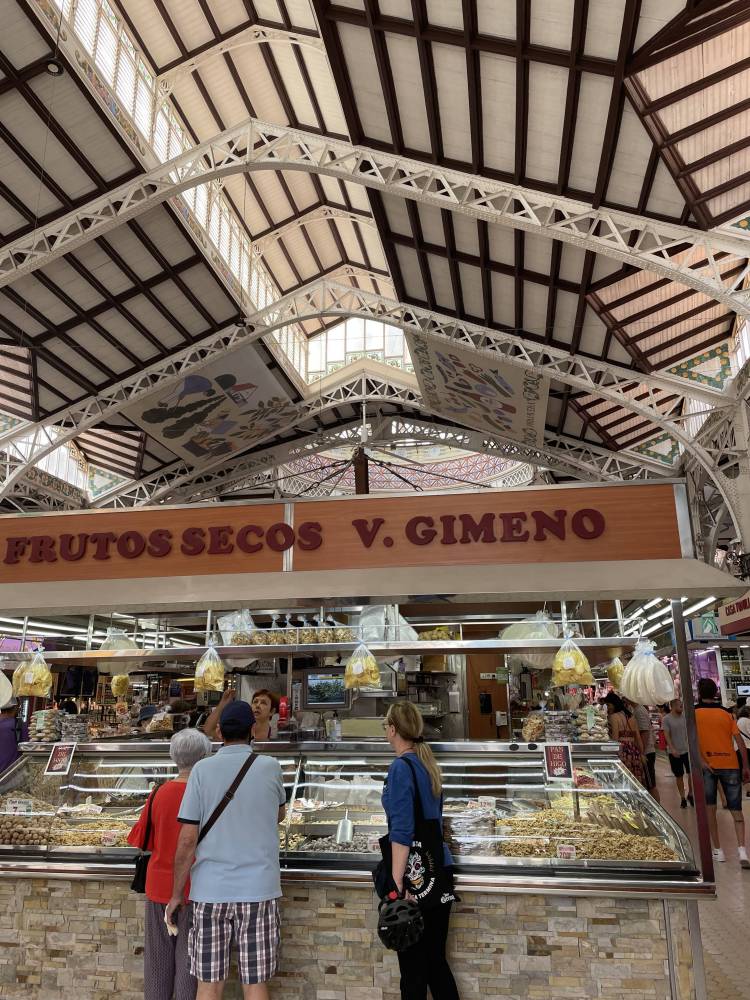
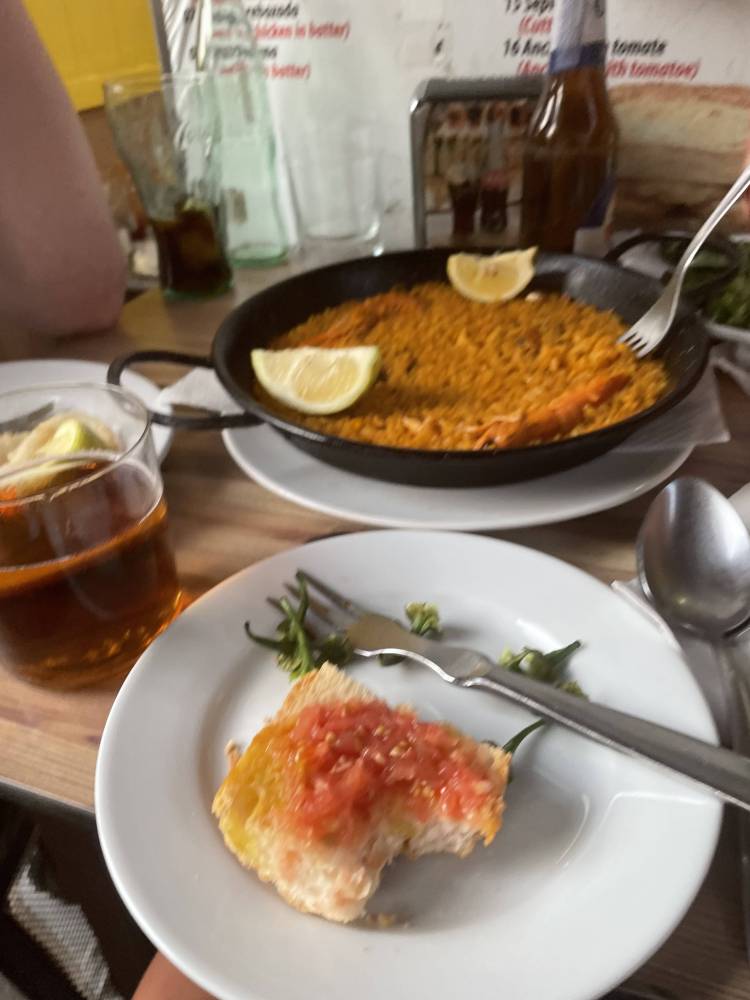
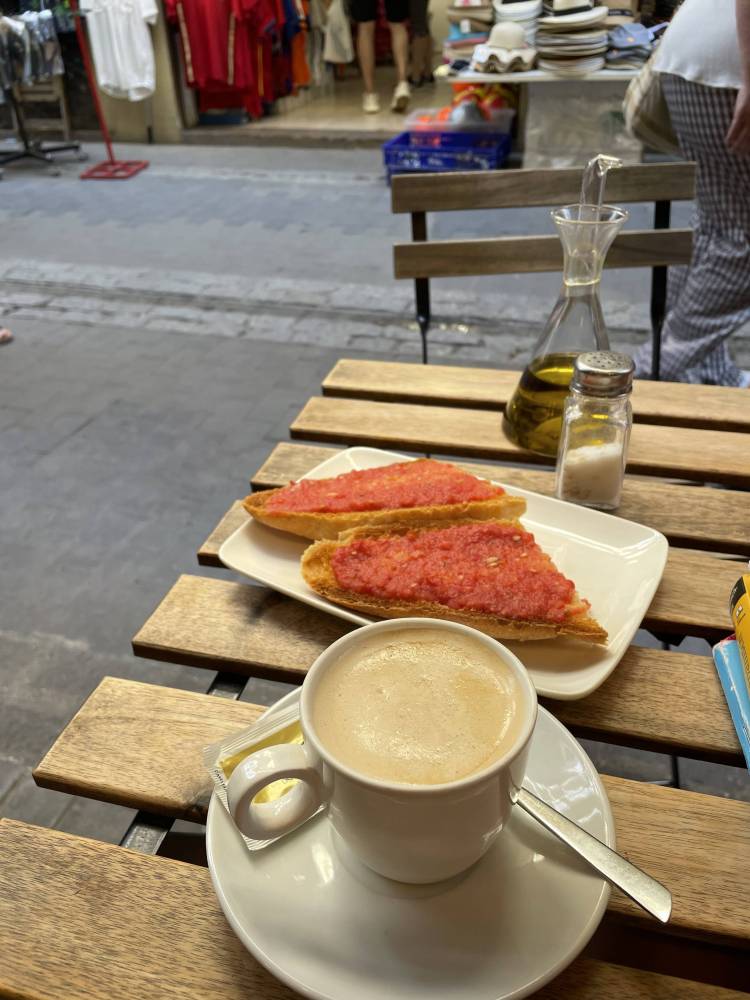
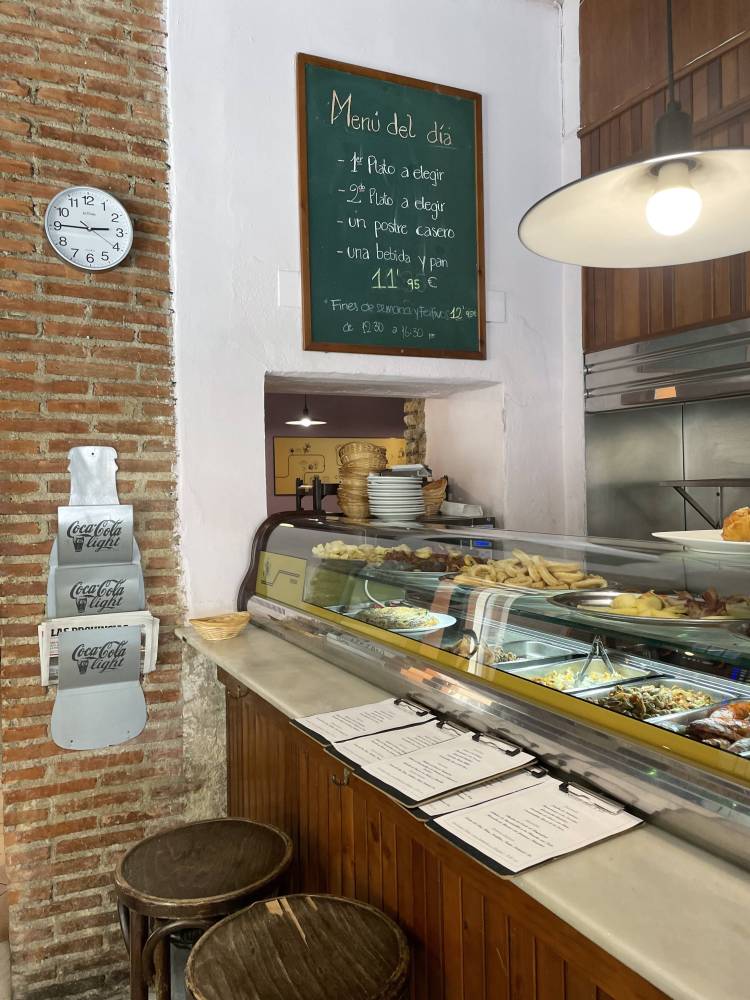
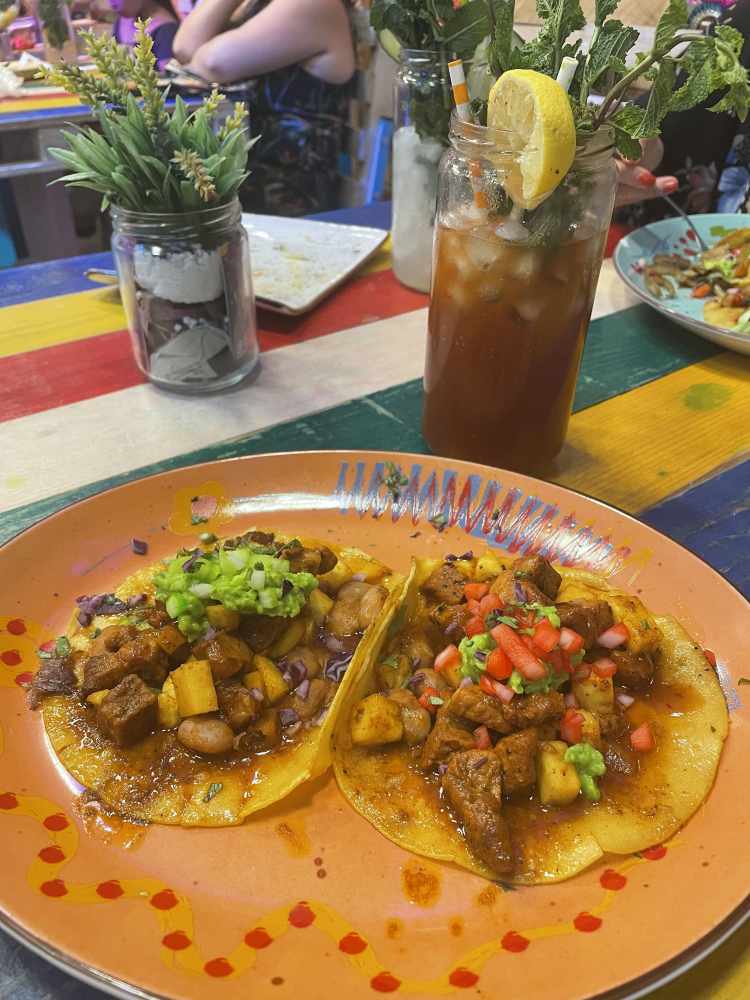
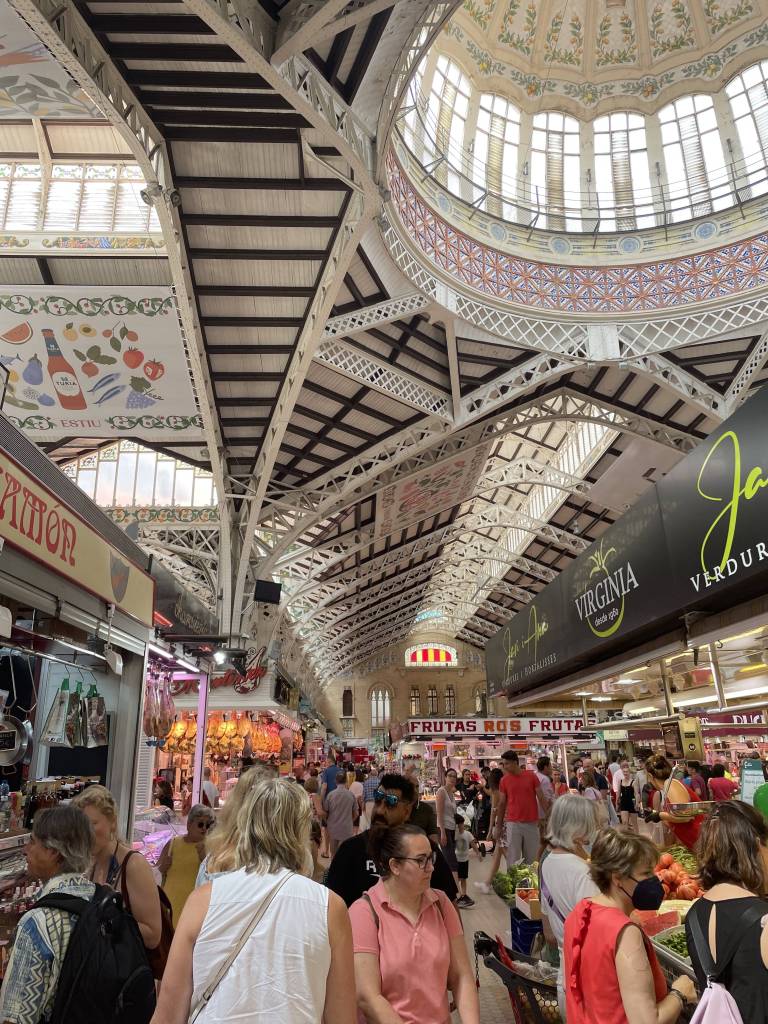
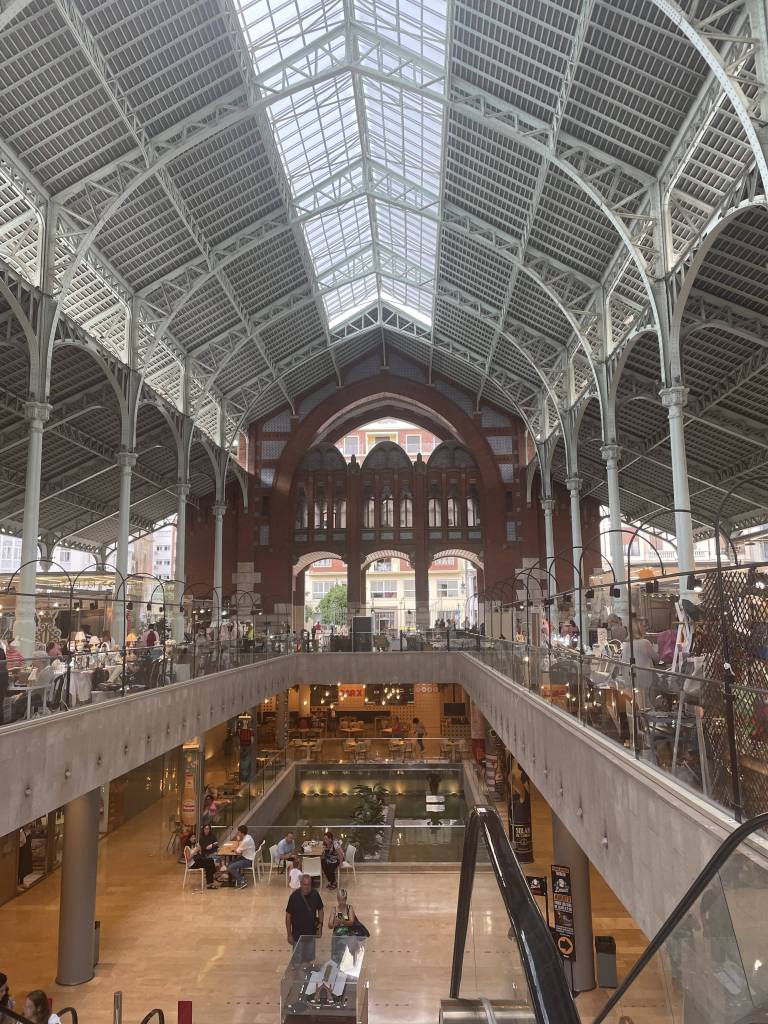
the food: Food is one of the number one factors I rank my favourite travel destinations by. And Valencia (like all of Spain, honestly) is home to amazing restaurants. The most famous local dish is probably the Paella. I first try it at the Mercat Central and am blown away by the rich taste. The Paella isn’t the only thing I savour at the historical market hall. I continue to stroll through the many aisles of shops and take advantage of the free samples of local cheese and charcuterie handed over the counter by old Spanish ladies. Other than the food, the mesmerizing architecture of the place is reason enough for me to stay. Another Spanish classic that I treat myself to daily is a Café and Pan con Tomate. As simple as it sounds, this breakfast is the perfect energy booster for a day spent exploring a new city. But with Julianne, we also indulge in the international cuisine on offer: Mexican, Greek and late-night Kebabs.
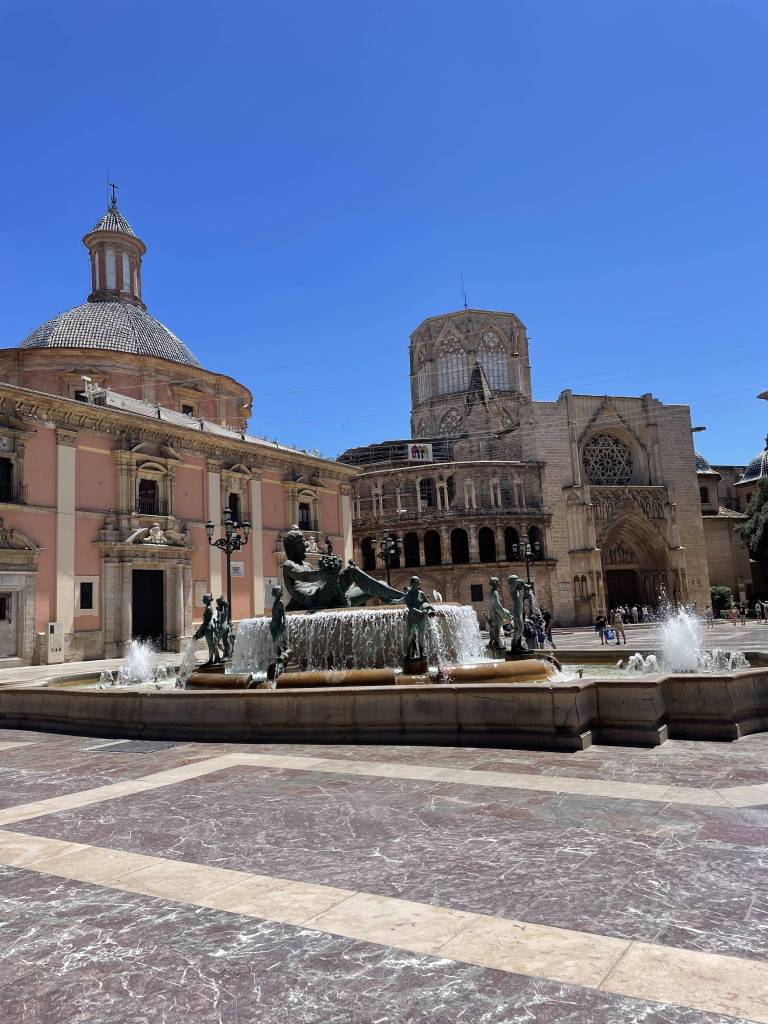
the culture: Since I visit during pride month, there are several events held concerning the topic during my stay there. On the Plaza de la Reina, we pass a protest in favor of queer, trans and undocumented immigrants rights. It’s very refreshing to see how active young Spaniards are when it comes to politics. One aspect why people are very eager to part take in activism might also be the fact that Valencia is located in the Catalan region. Most of the street signs are actually written in Valenciano – a Catalan dialect – and I hear many conversations that are not held in Spanish but the local language.
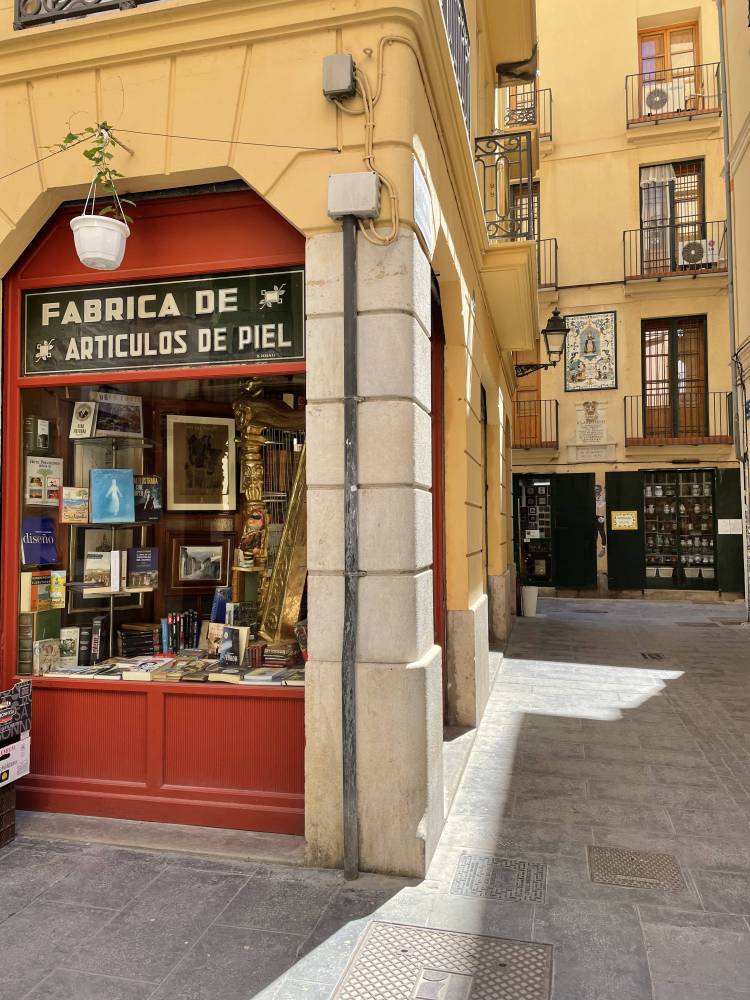
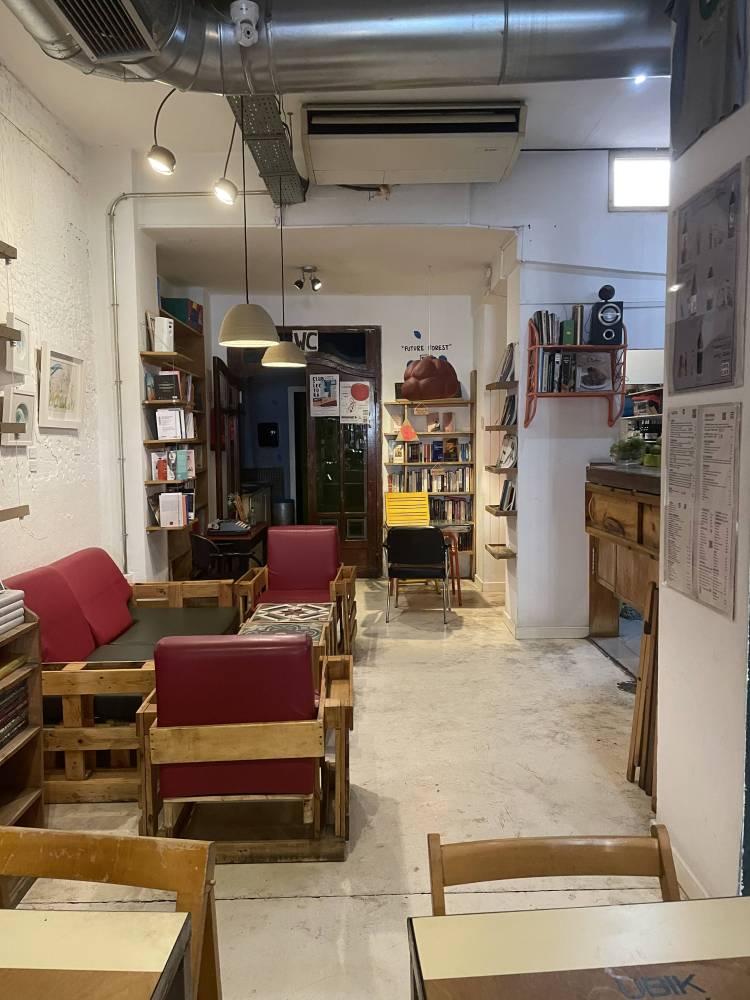
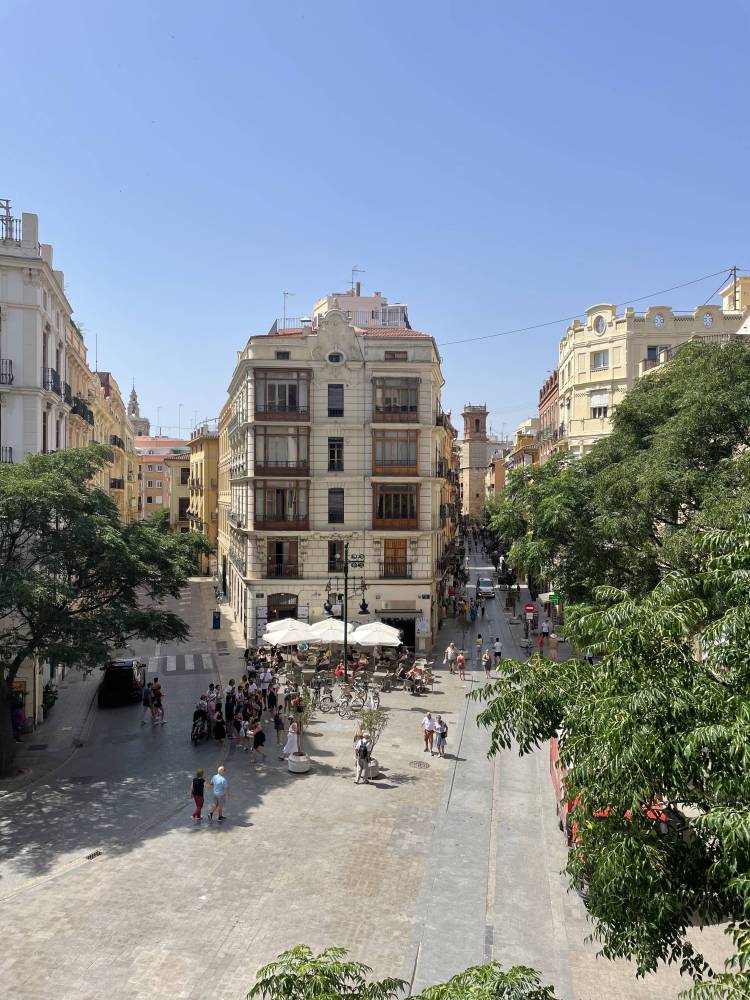
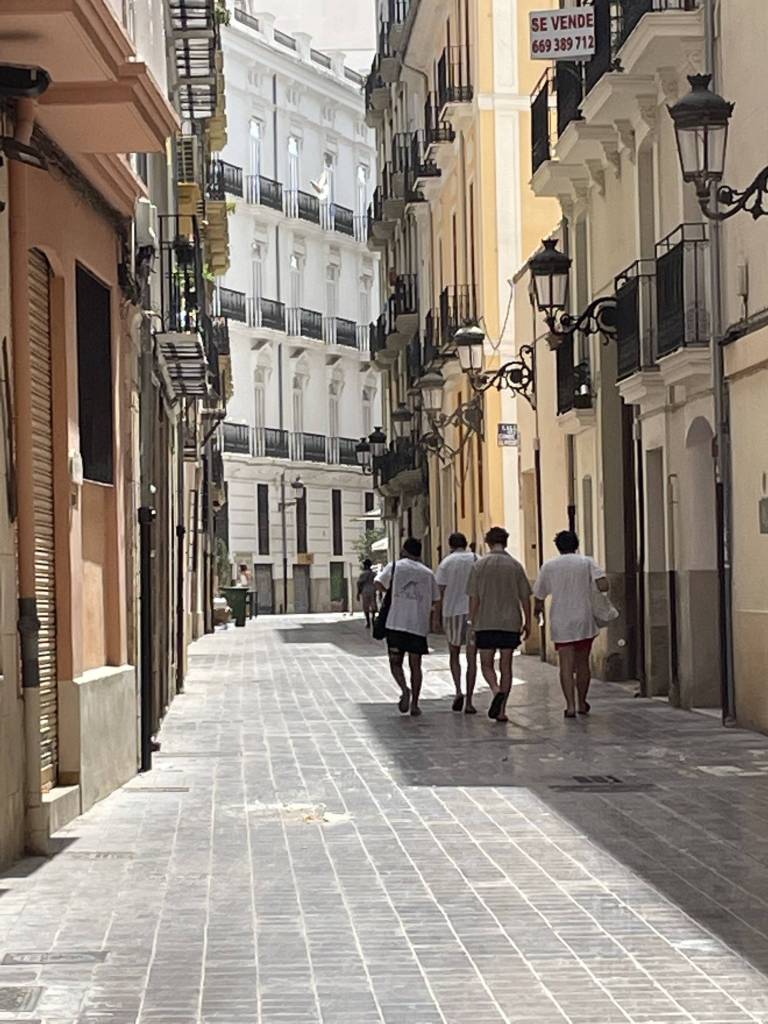
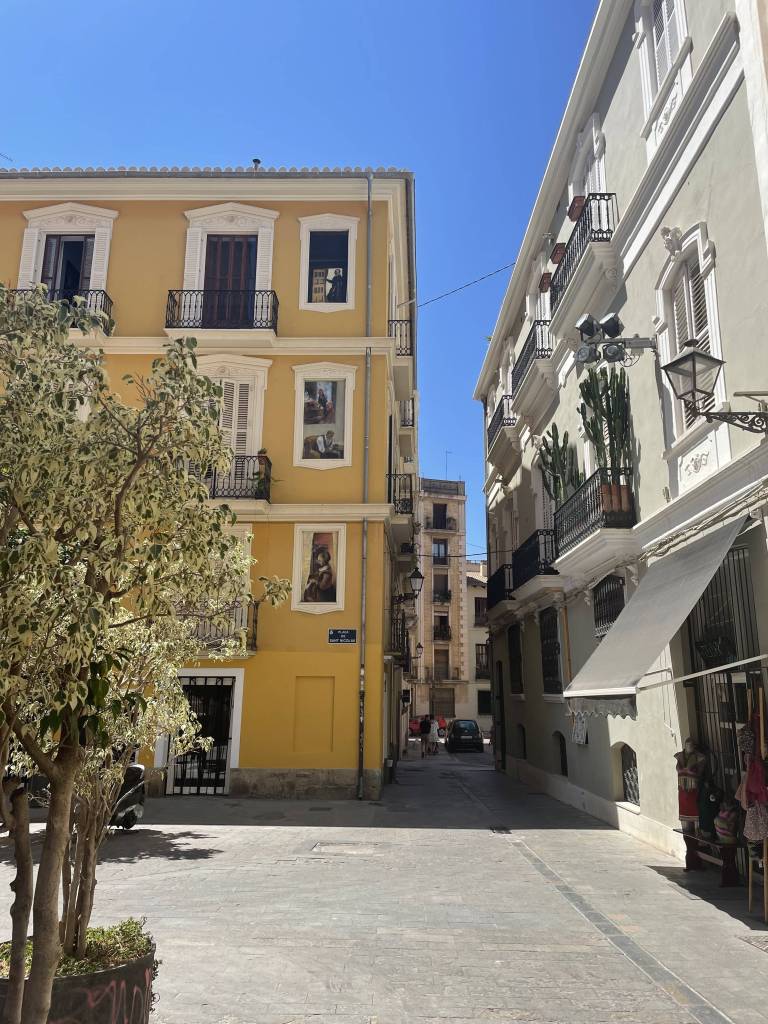
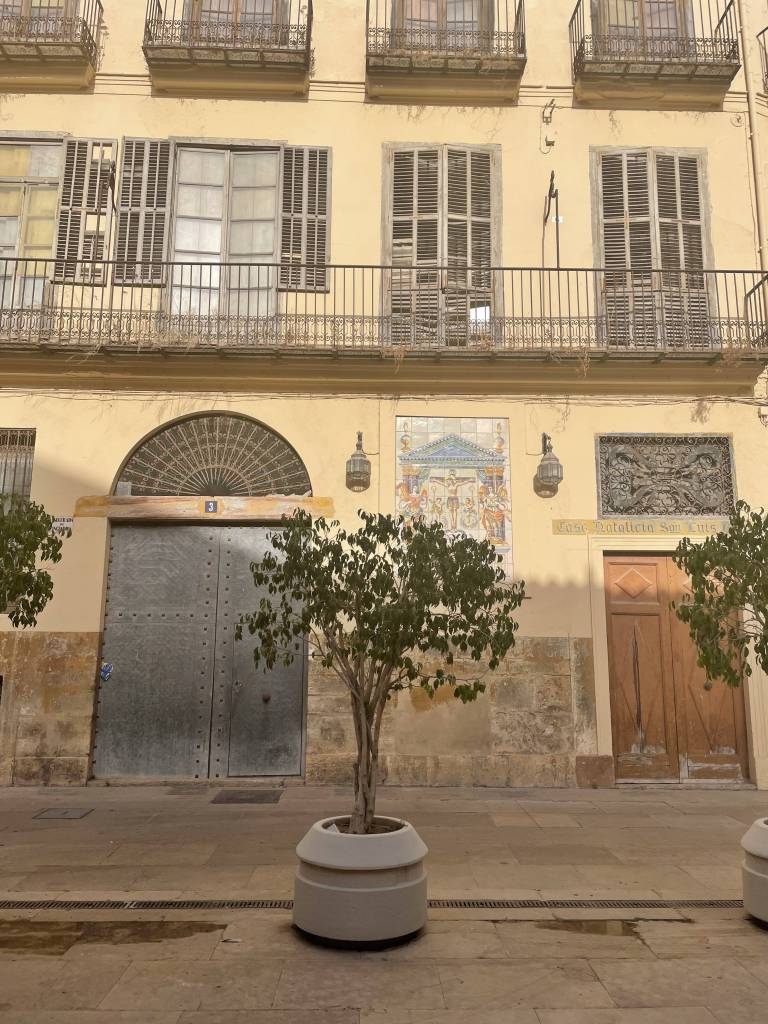
the architecture: I love to aimlessly wander through a new city and explore different neighborhoods. In Valencia, one of these strolls takes me through the picturesque alleys of the Ciutat Vella where my hostel is located, and past the Plaza de Toros next to the train station. In search of a place to satisfy my appetite for an iced latte, I end up in the multicultural neighborhood of Ruzafa. Here I spend the rest of my siesta time at Ubik Café & Libreria, a 2 in 1 book shop and café that has delicious food and lots of secondhand books for sale. The beautiful architecture, many gardens from the time when the Moors ruled Spain, and the pavement restaurants make me stay in the area for the rest of the day.

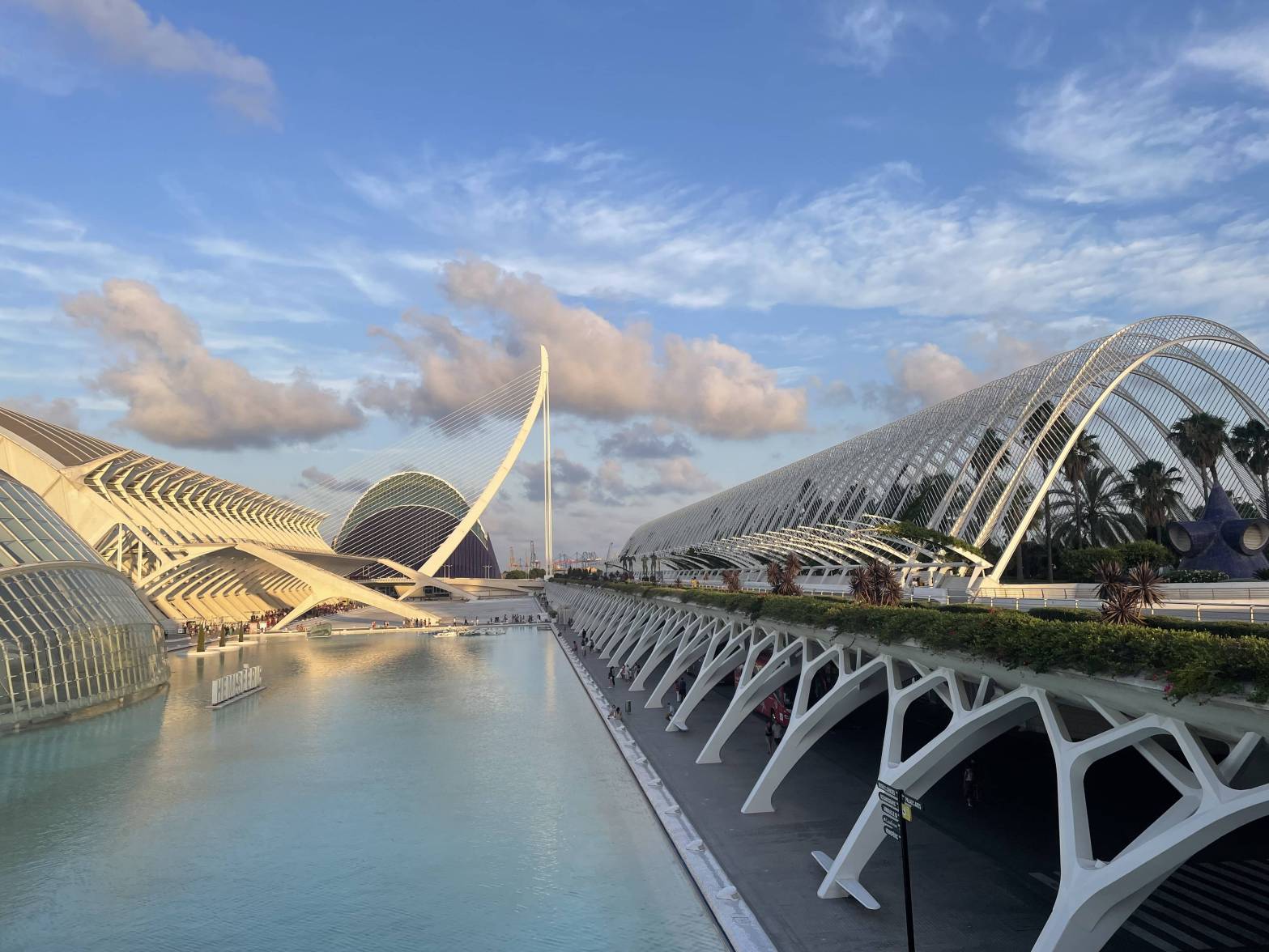
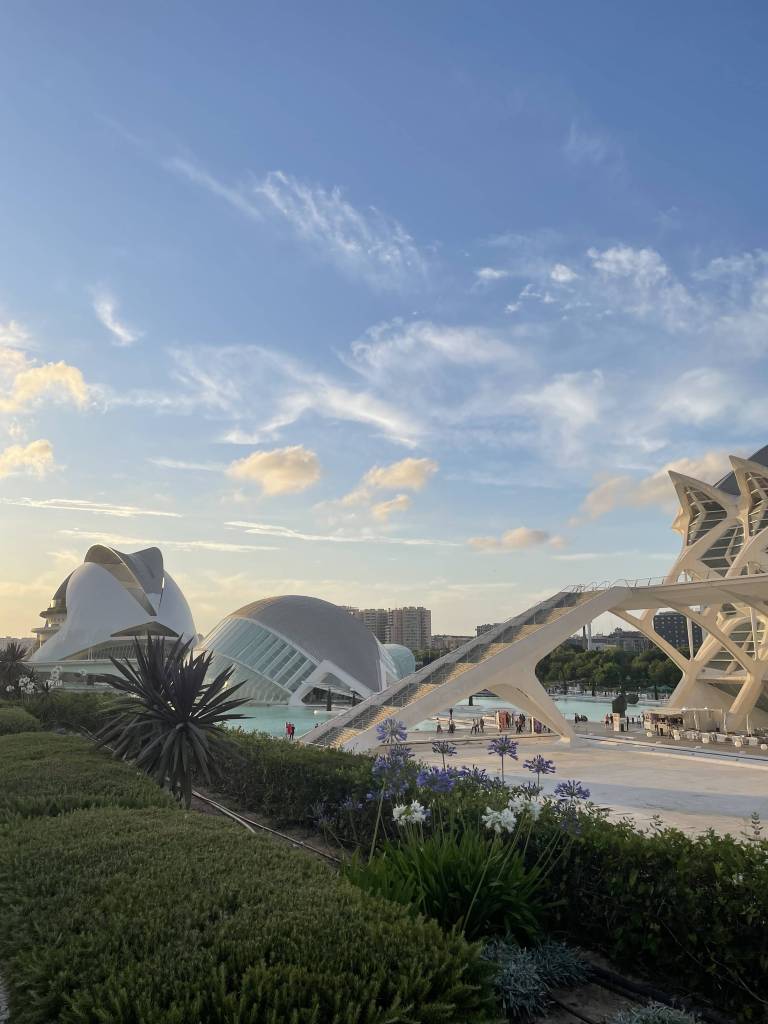
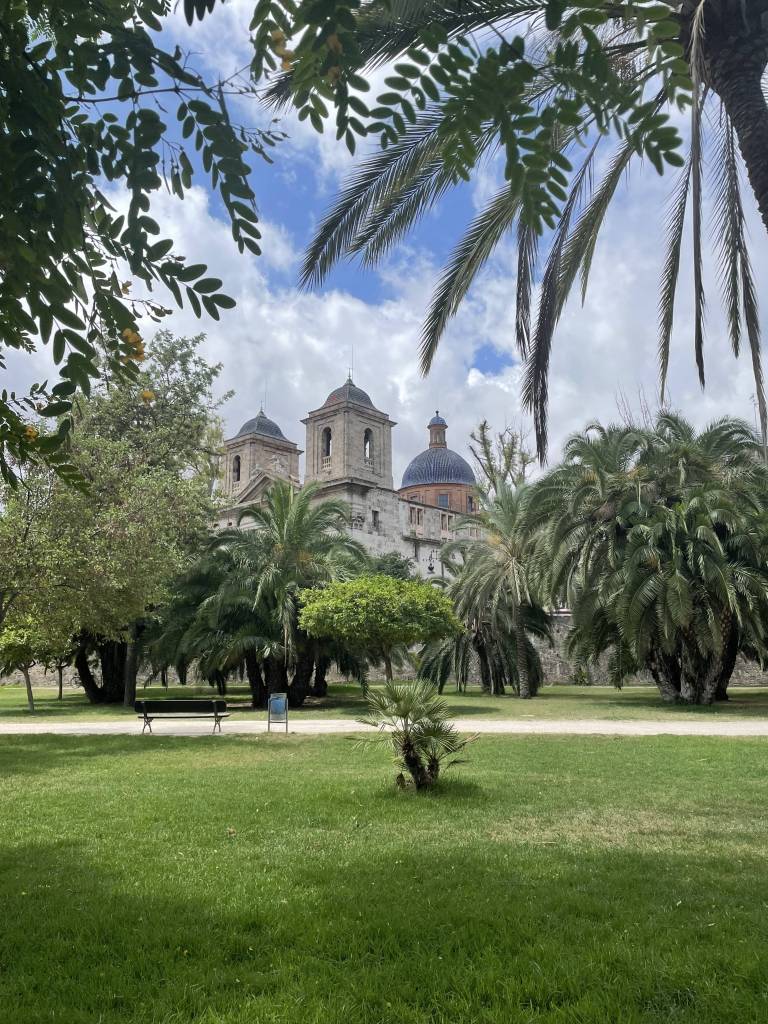
the green spaces: In an attempt to keep cool on a particularly hot summer day, I venture to the Jardin del Turia. The more than 9 kilometers long park spans across the drained bed of the river Turia from Parque de Cabecera all the way to the city’s main sight: Ciudad de las Artes y Ciencias. I walk in the shade of trees and arched bridges and take breaks on some widely available benches surrounding small ponds. As I arrive at the very modern arts and culture complex hosts various museums and event spaces including a renowned concert hall. Not in the mood for scientific education, I admire the impressive architecture from the outside and marvel at the pretty sunset turning the sky all shades of orange and pink.


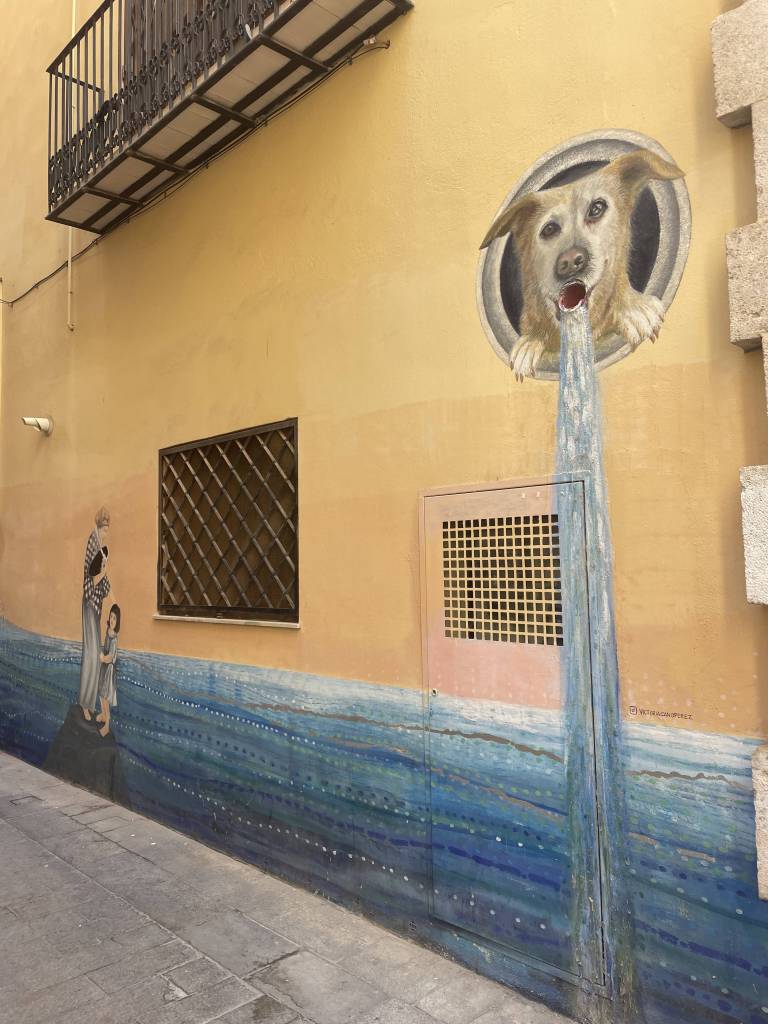
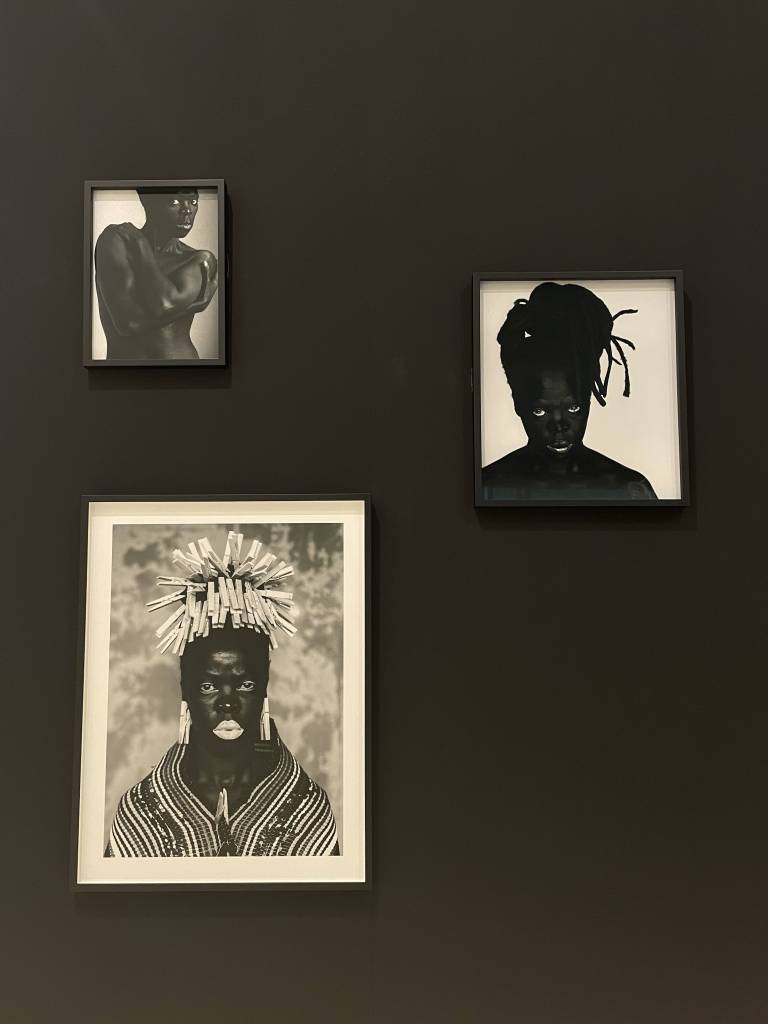
the (street) art: On my last day in Valencia, I decide to join a Street Art Tour. There is so much high-quality graffiti in the town, and the 2-hour walking tour only scratches the surface. Our guide takes us to one of the most famous pieces, “The Cat House”, as well as lesser-known artwork in small side streets. While some are simply beautiful murals by talented local artists, others talk about societal issues and significant historical events, like the great flood that destroyed large parts of Valencia’s old town in 1957. Following Julianne’s recommendation, I also visit a moving exhibition by Zanele Muholi at the Institut Valencia d’Art Modern.



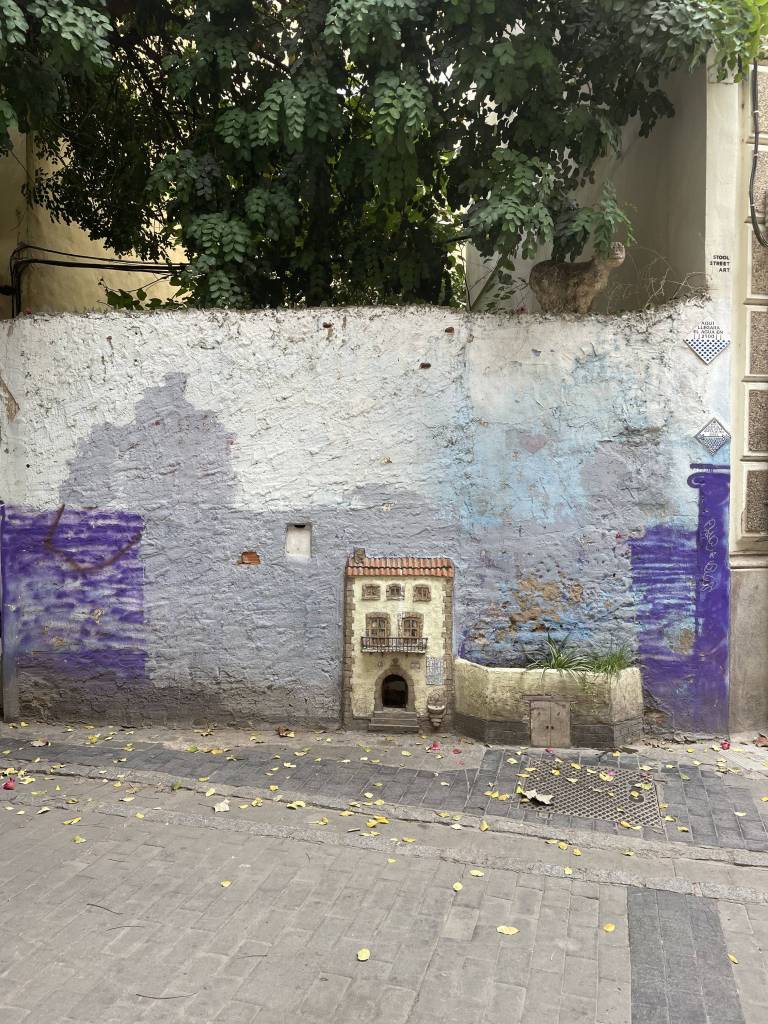
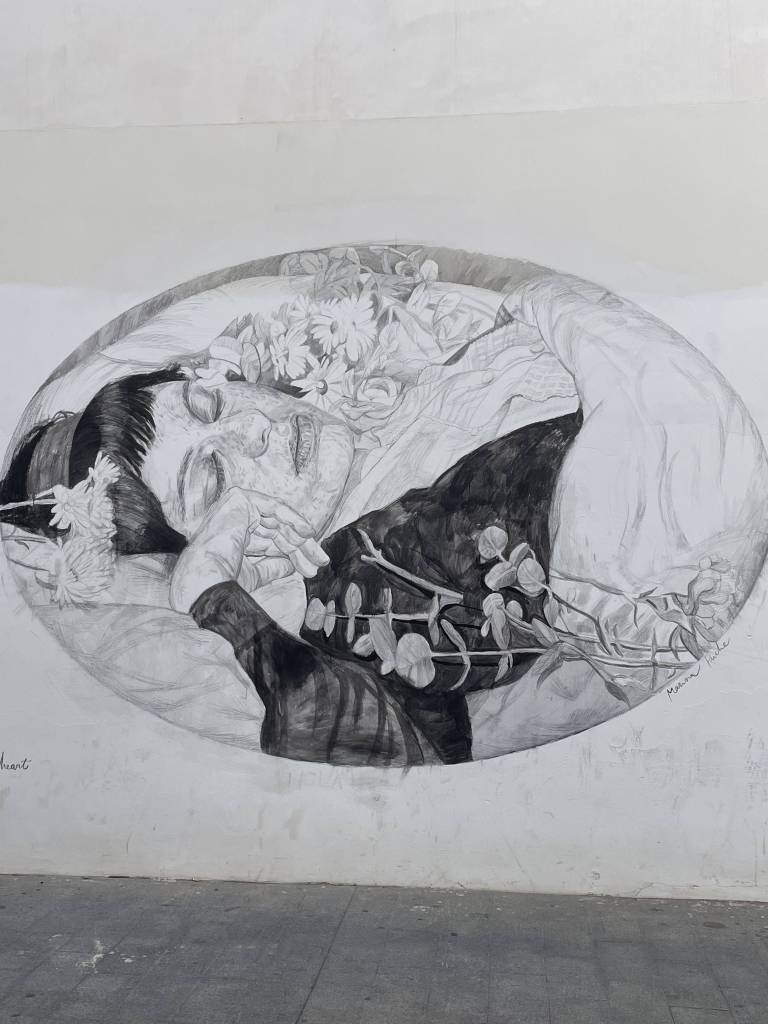
the proximity to nature and great beaches: Accessible by several tram and bus lines, Platja de la Malva-rosa and Playa de las Arenas lay at the easternmost edge of Valencia. It’s a bustling place on summer evenings and weekends. People from all over the city gather at the beaches to swim, sunbathe, play beach soccer and volleyball or have a drink with friends. Locals bring their speakers and play the latest hits and everyone is just having a good time. For a more picturesque and quiet beach experience, head out to the smaller towns of Costa Blanca by Highway Bus and explore its beautiful Calas.
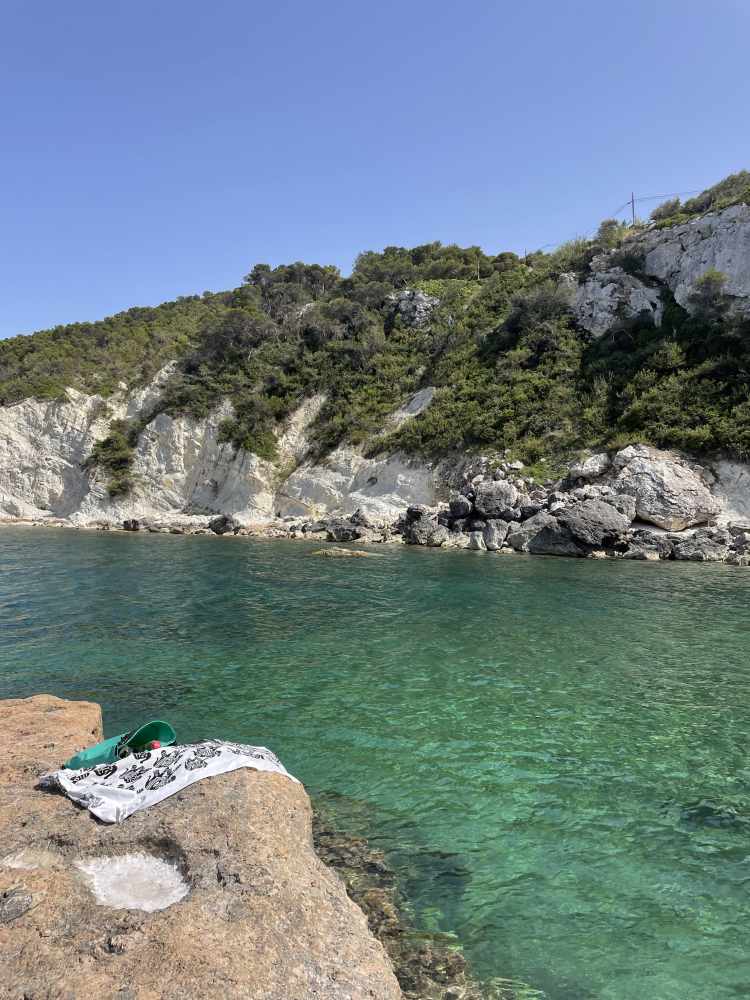

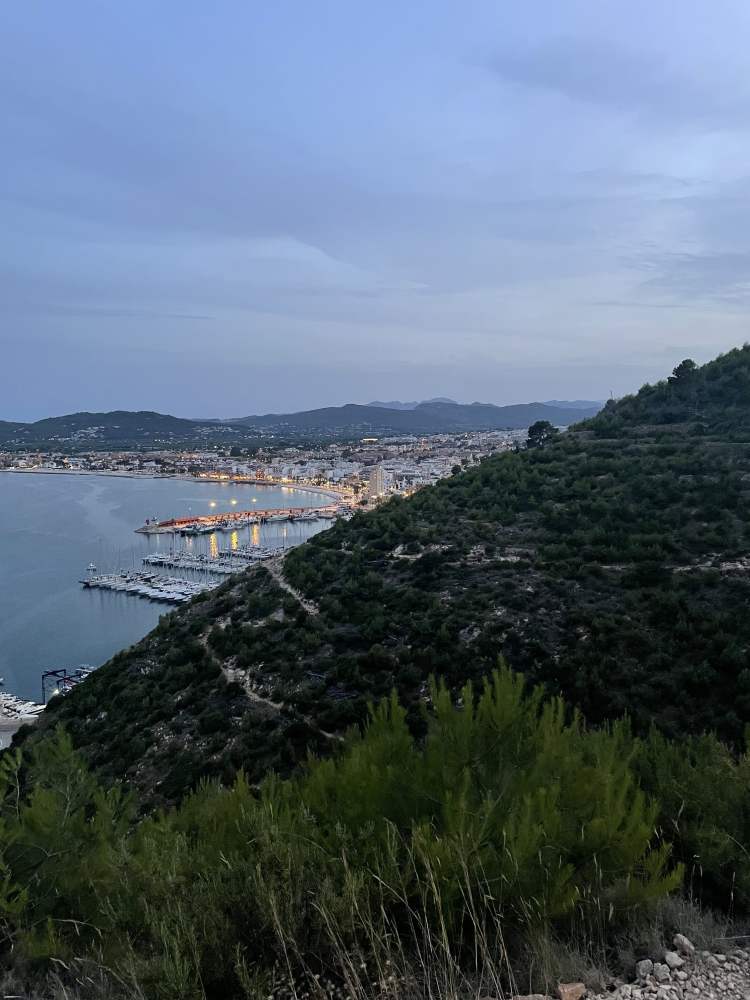
 thattravelstory