
Japan – May 2024
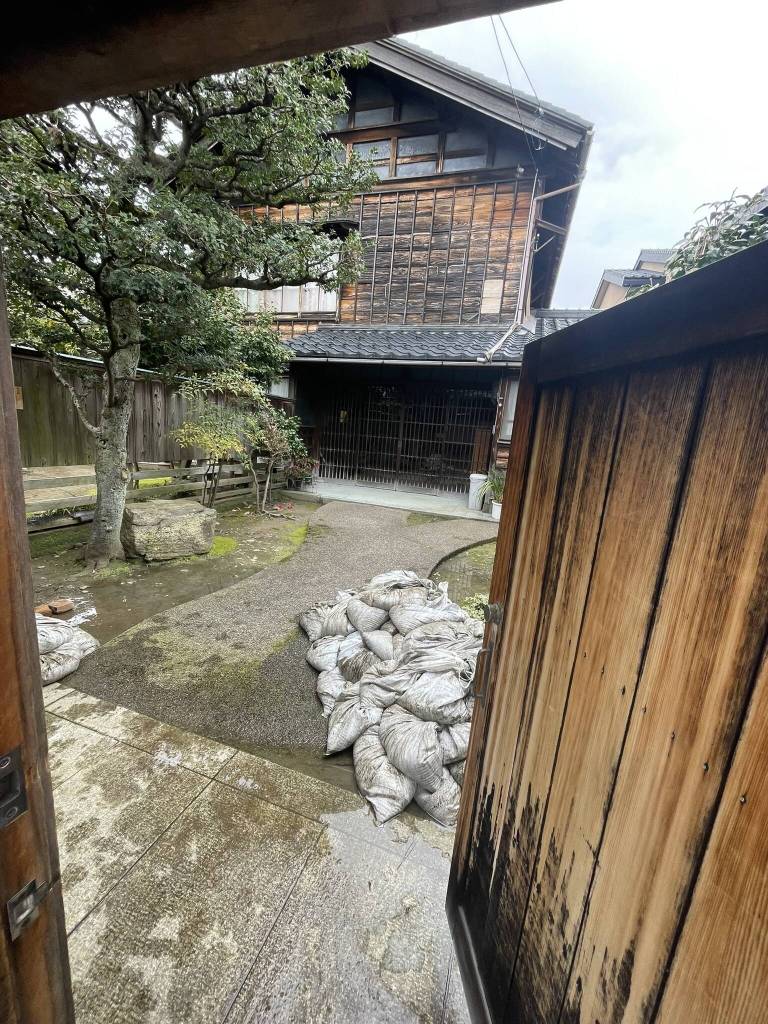
„So it‘s the 3 of you?“, the man in a suit asks me in Japanese. Confused I look around the entrance area of the Samurai style property. My friend still has not arrived, but there are 2 other foreigners behind me curiously eyeing the traditional building. I say that I‘m by myself & mention my friend who should be coming soon. For the tourists I translate that there is a private event taking place today and direct them to the Nomura Samurai House Museum across the street. Luckily my friend Shibby arrives shortly after and the owner of the house and his wife welcome us. Ishino-san remembers us from the pond cleaning we helped with a few weeks ago and happily chatters away while we take of our shoes before stepping onto the tatami floor.

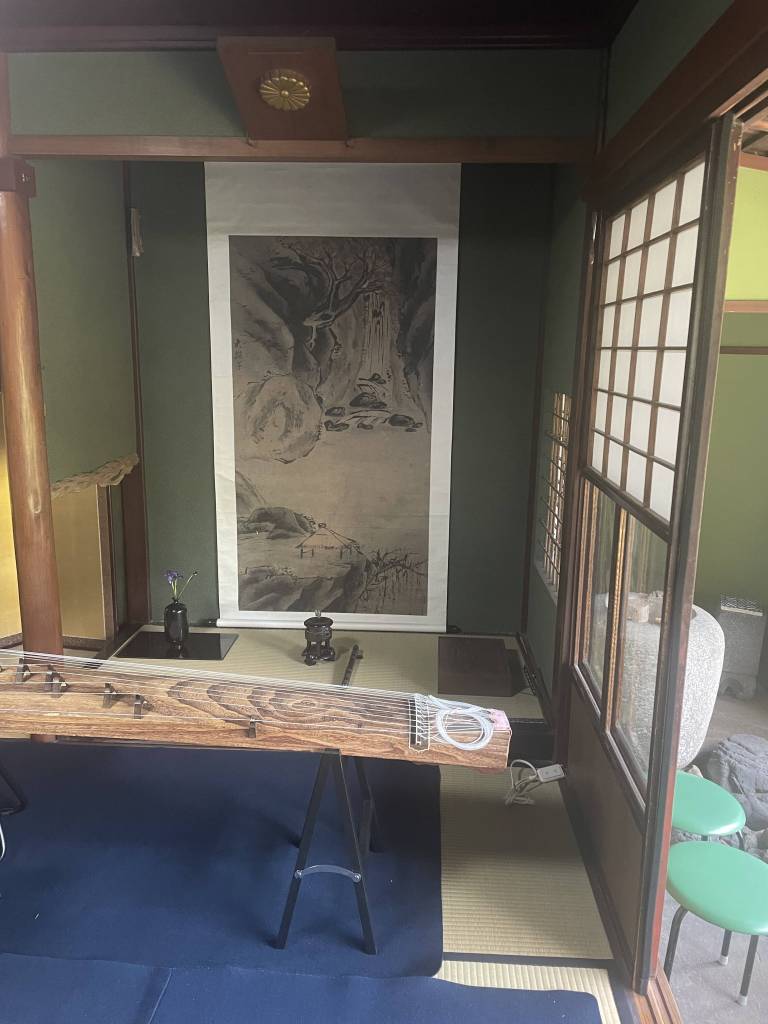
In the spacious living room on the ground floor there are already 20 chairs set up, facing two Kotos. The traditional Japanese instruments are elevated on two wooden stands and small chairs are placed behind each of them. While Shibby and I get comfortable on our seats, the husband is handing out a programme for the afternoon (in Japanese, needless to say). With the help of Google Translate we figure out that there will be a concert by a local Koto player, followed by tea and a introduction of the private garden.
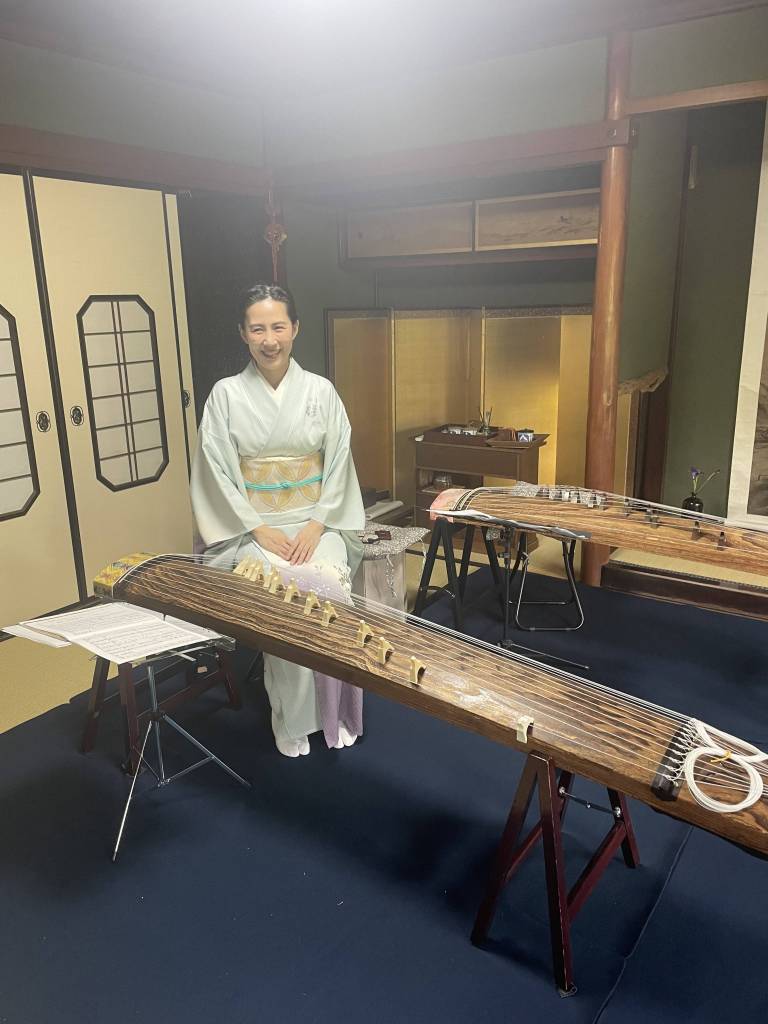

Once all the guests have arrived and everyone is seated, the hosts officially welcome the Koto player, a pretty girl wearing a Kimono. As soon as she starts to play, the room is filled with a peaceful athmosphere. We watch here slim fingers dance across the fine strings, eliciting beautiful melodies from the ancient instrument. From time to time she precisely adjusts the wooden spaceholders to change the intonation depending on the piece.
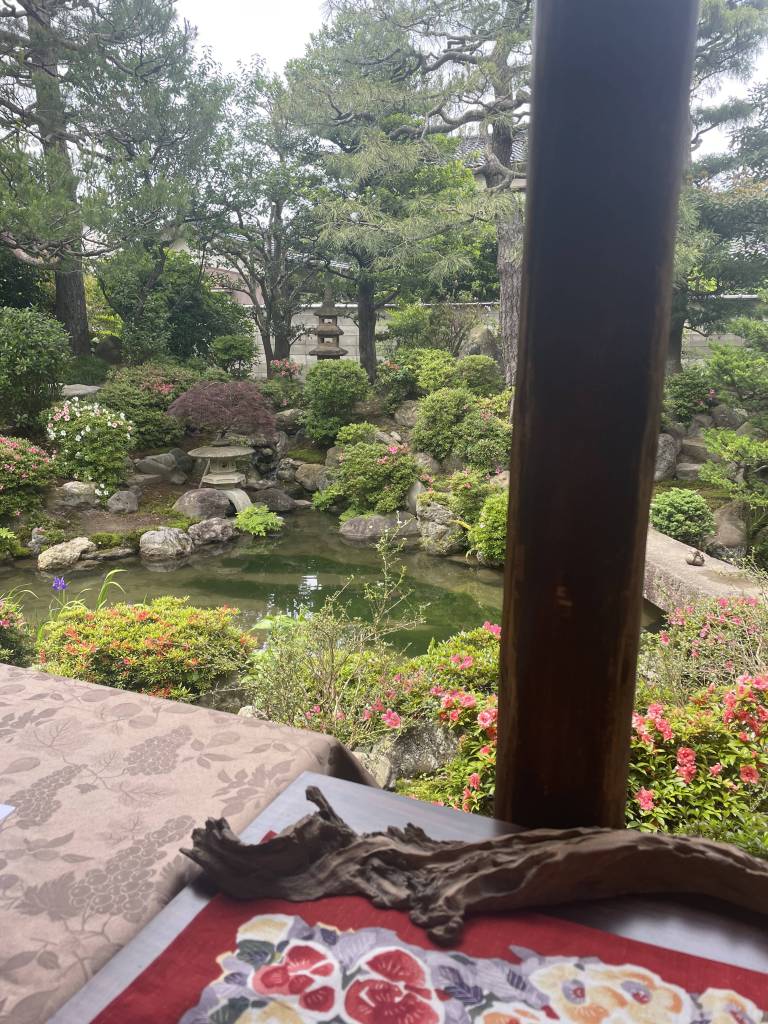
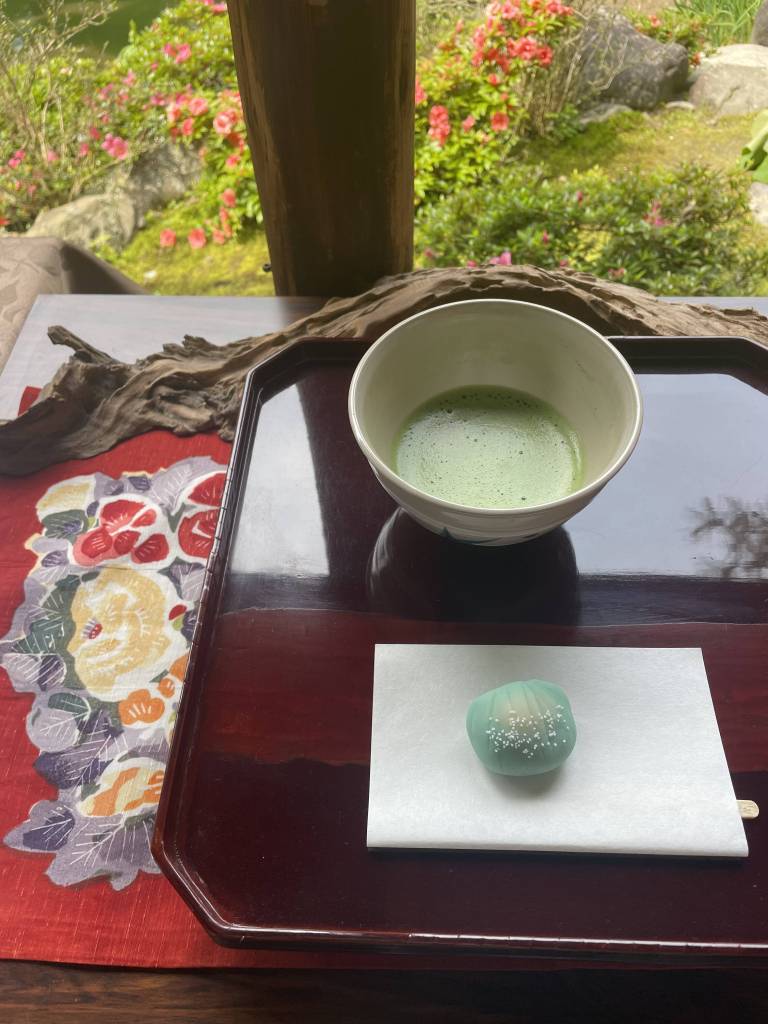
For the final recital, the lady of the house sits down on the chair at the second Koto. The two women proceed play a moving duet, which has all spectators asking for an encore. After the concert, the husband asks everyone to shift outside. We take our seats on the small terrace while Mrs Ishino begins to prepare the bowls of matcha green tea for all the guests. The bitter drink is served with a piece of seasonal Wagashi sweets. Traditonally, the sweets are consumed before the tea. And before taking the first sip of matcha, the drinker should inspect and admire the bowl the tea is served in.

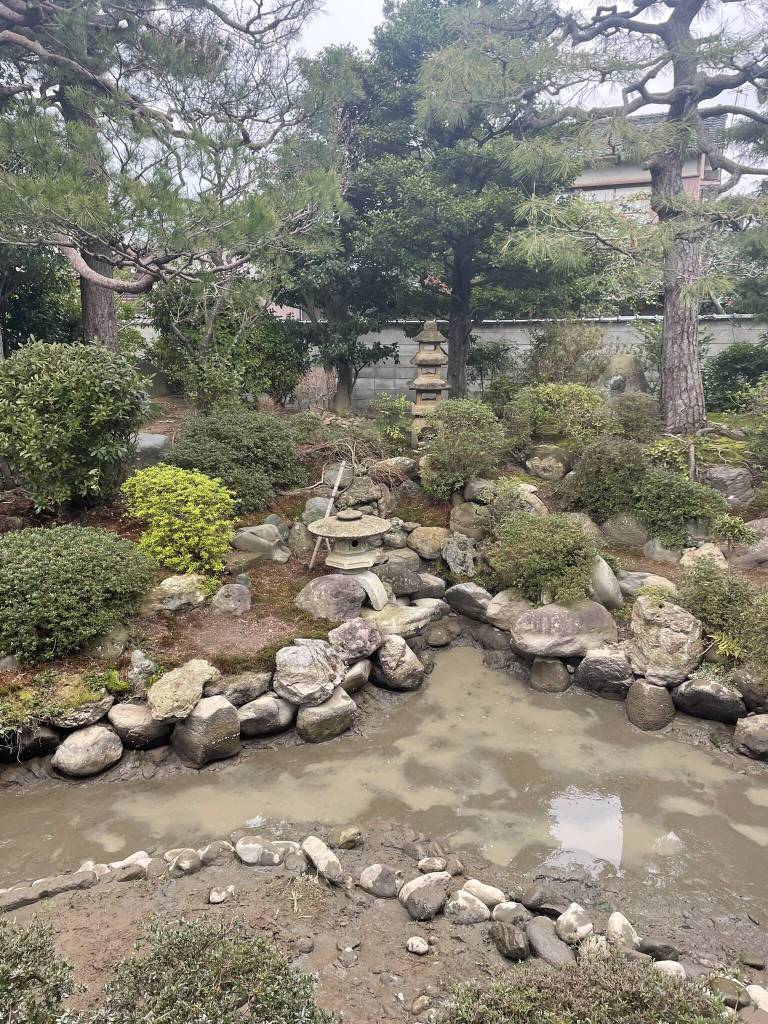
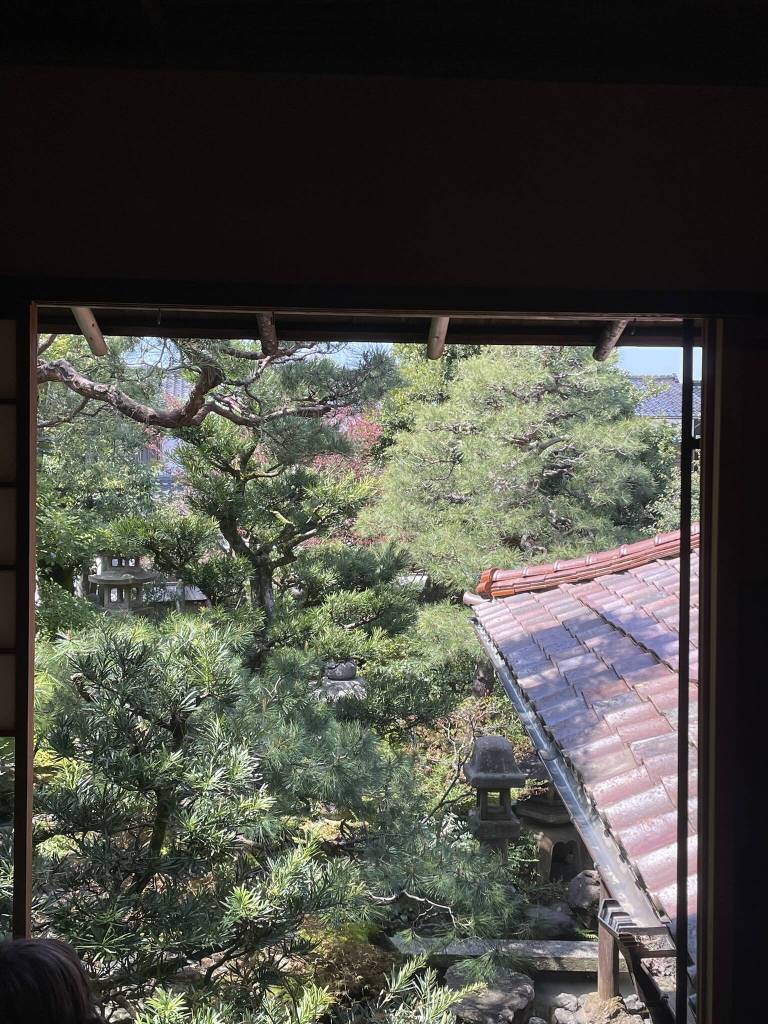
While we are enjoying the tea, Mr Ishino begins to explain the history of the garden. Luckily, it’s the same presentation we were given after finishing removing the mud from the pond in the beginning of April. So I still remember the main points and can fill in a few extra bits and pieces thanks to the Japanese classes I have been taking. The transformation of the garden with the changing of seasons is remarkable. In late spring the bushes beginn to bloom and with water back in the pond the resemblance of Kenrokuen is even larger.
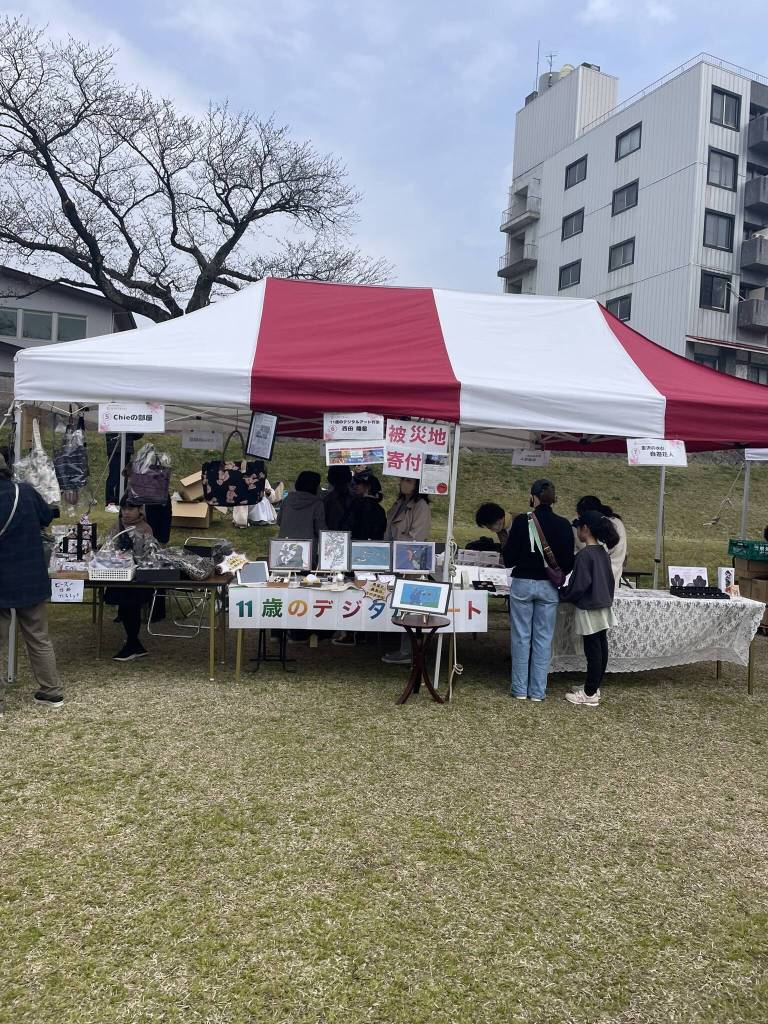
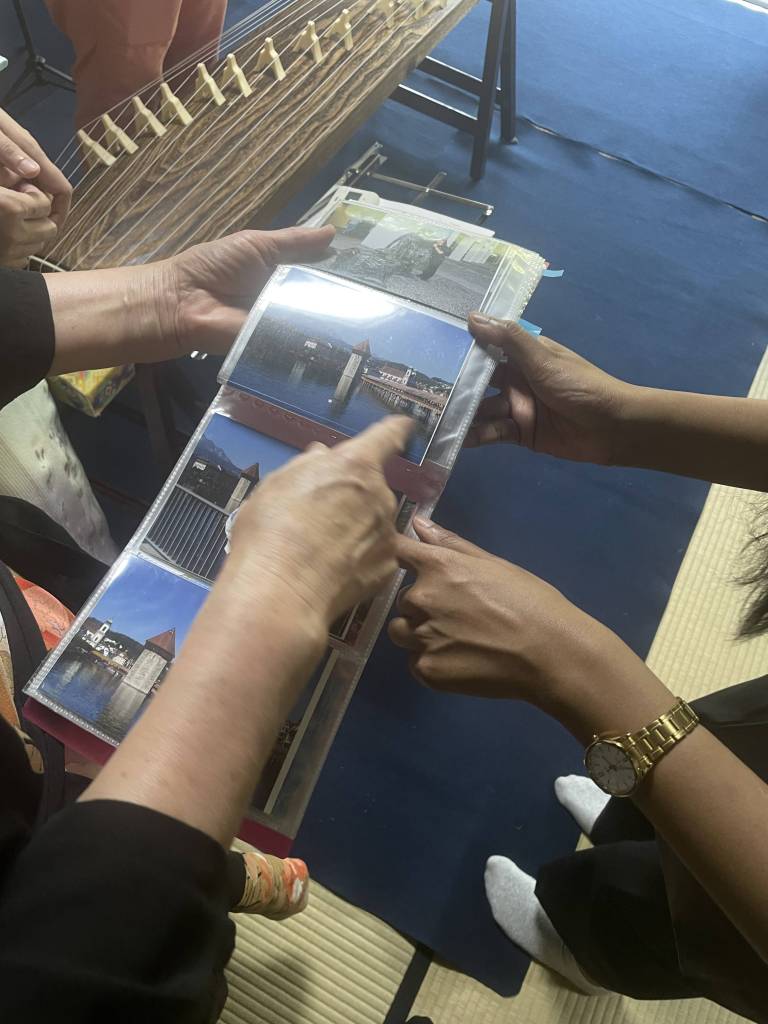
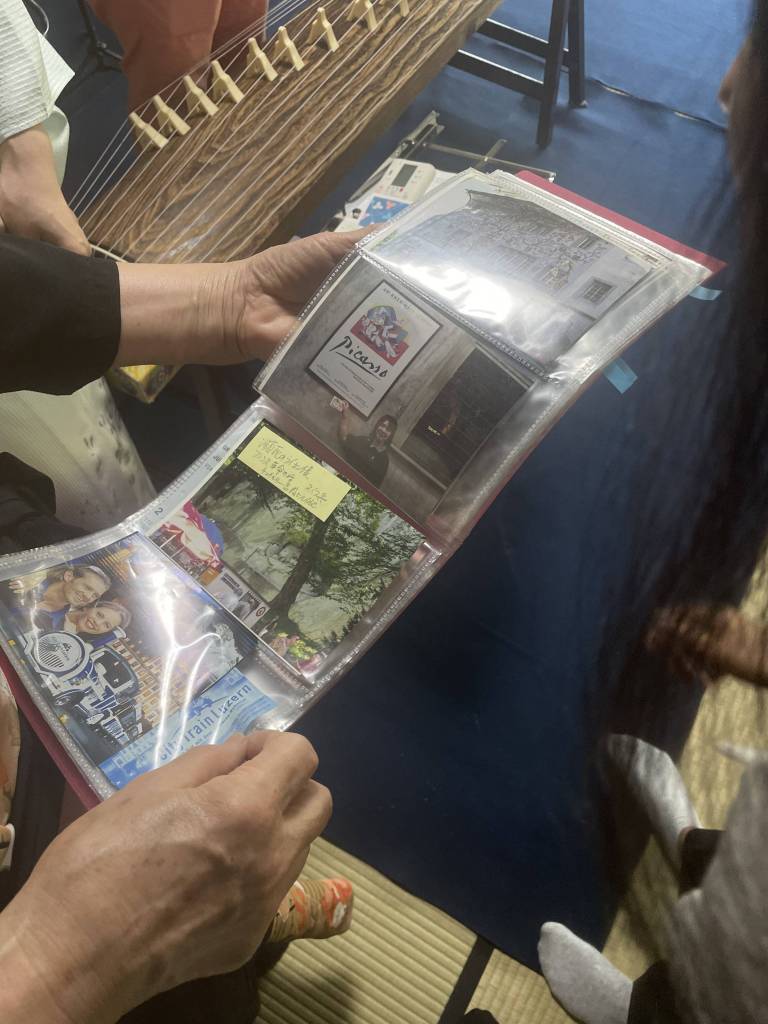
There are a few other helpers at the recital who followed the Ishino‘s invitation. After finishing the tea, we chat a little with them. Then Mrs Ishino comes over and proudly shows me a photo album of her trip to Switzerland 20 years ago. Her husband and her even visited my hometown of Lucerne. Together we reminisce over the beauty of the old town and the lake. For a moment the pictures take me away from the Samurai history and back to Europe. But then her husband reminds Mrs Ishino that the second concert is about to start in a few minutes. So we quickly say goodbye, in order for them to be able to prepare for the next guests.
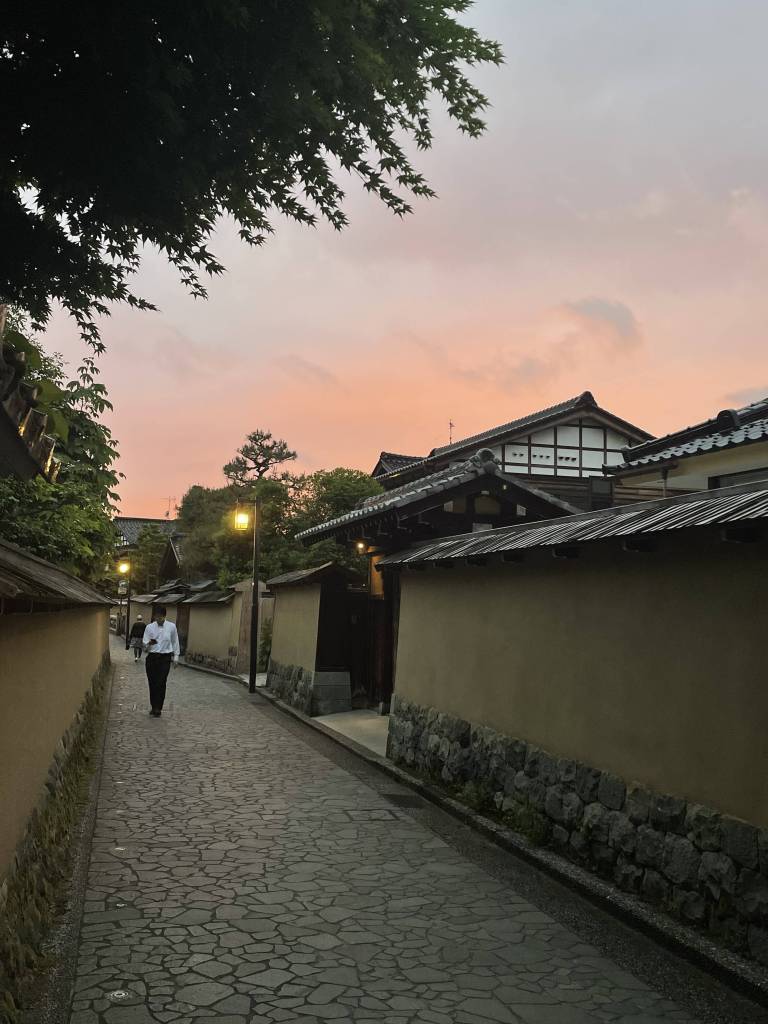
While we were lucky to have the opportunity to look inside a private property of a Samuari family with a long history, there are also other options to do so in Kanazawa: A house in the Nagamachi Samurai district which is open to the public is “Nomura Samurai House”. It has been turned into a museum and is accessible by paying a small fee. My favourite part of the property is of course the stunning garden with a pond in which a bunch of well-fed Kois are swimming idly. On the second floor, you have the opportunity to enjoy some Matcha with a view if you ask the staff.

 thattravelstory