
India – June 2024
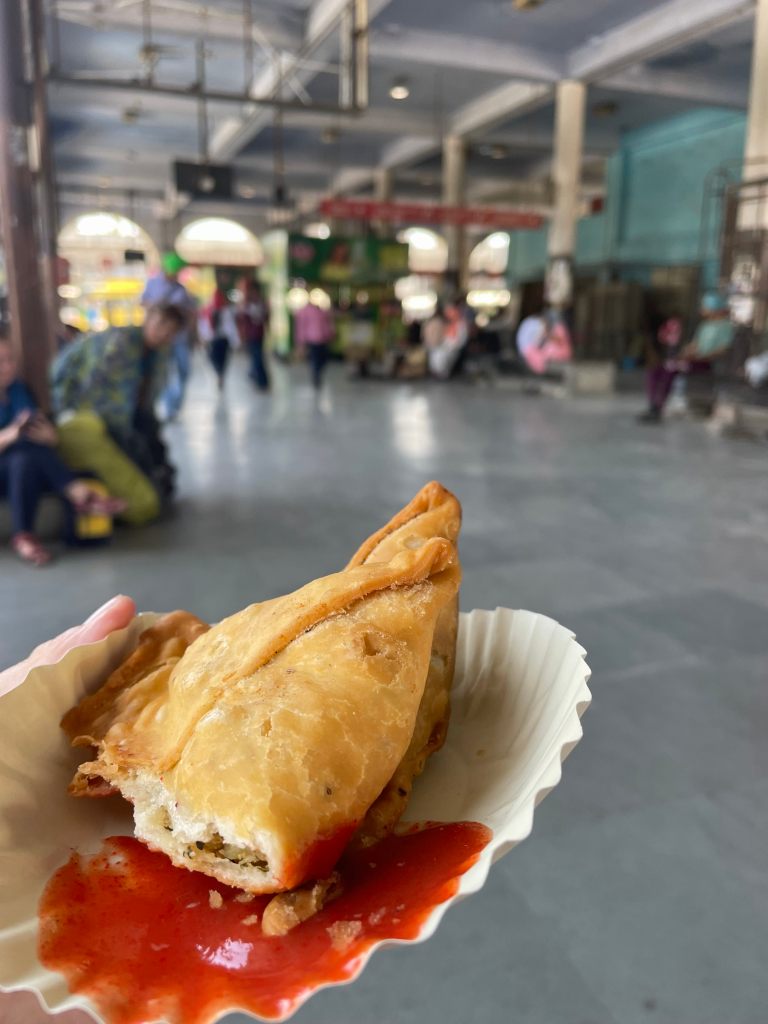
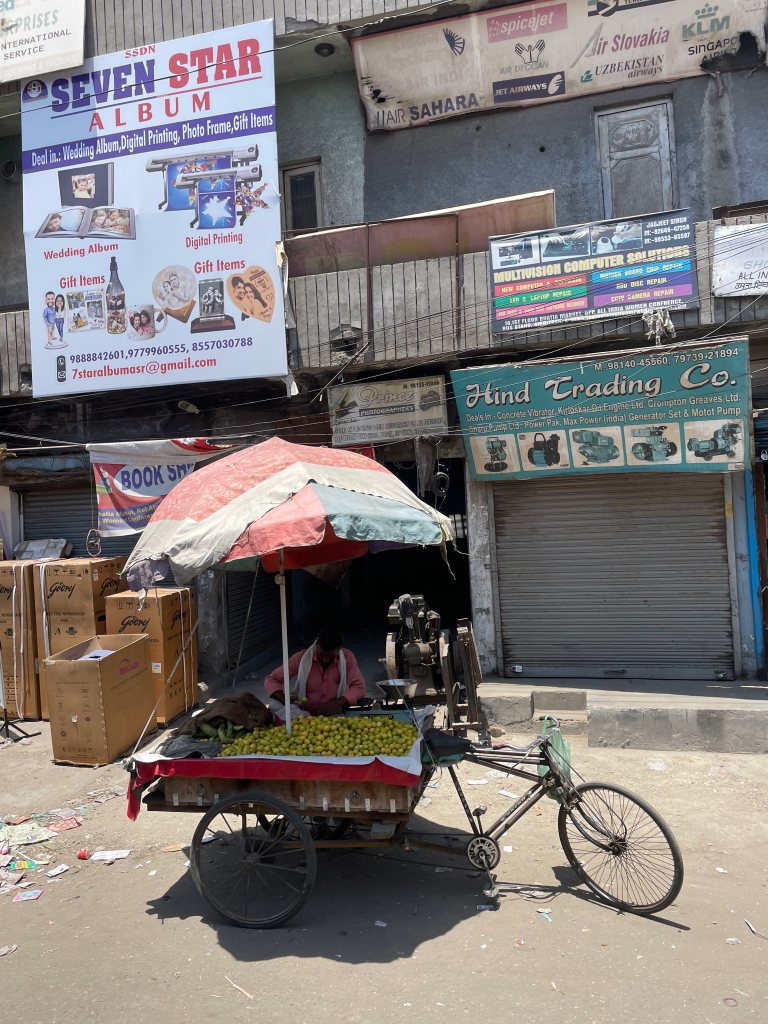
My first ride on an Indian Governmental bus begins in Amritsar, a city renowned for the Golden Temple, the heart of the Sikh faith. The bus stand is a chaotic hub of activity, a perfect introduction to the India that many travelers miss when they opt for private taxis or air-conditioned vehicles. The streets are teeming with tuktuks, weaving in and out of traffic, honking and dodging pedestrians. Vendors are everywhere, selling everything from newspapers to snacks. I grab a refreshing mango shake—smooth, sweet, and perfectly cold in the heat of the day. Alongside the shake, I can’t resist a samosa from a nearby stall.
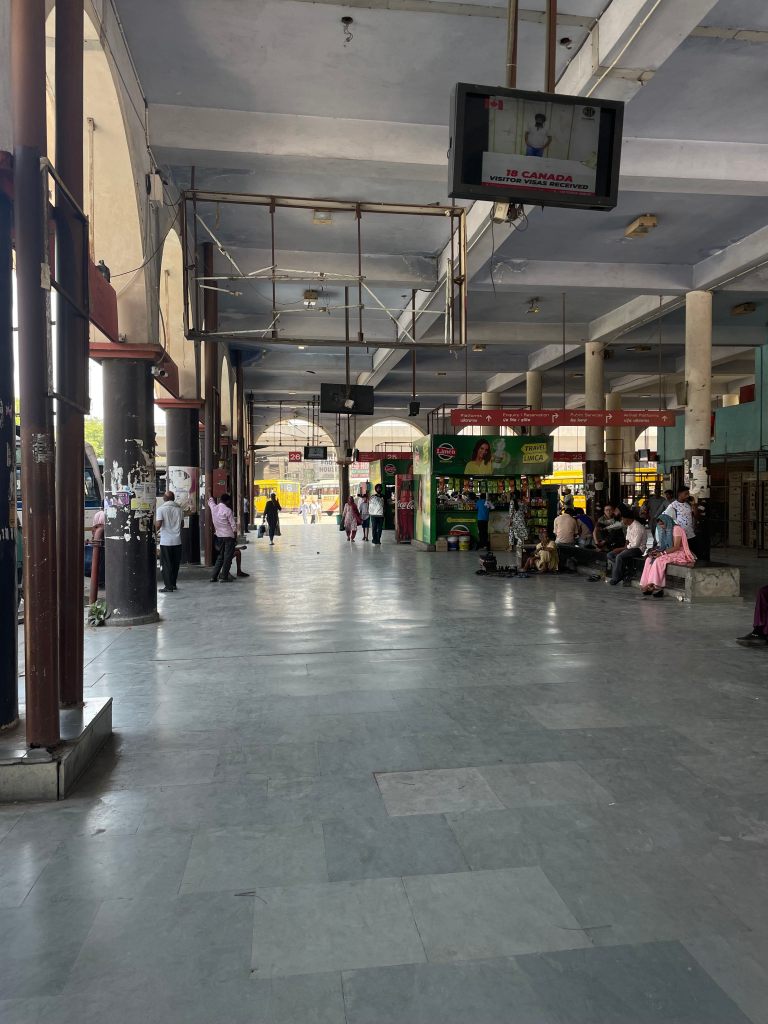
I board the government bus with a mix of excitement and apprehension. The seats are simple, and the air-conditioning is non-existent. The heat of the day presses in, but there’s a certain charm in the simplicity of it all. The first surprise comes when I notice the other foreigners on the bus—this isn’t a typical tourist route, and it’s clear that many of the passengers are locals. We wait for quite a while for the seats to fill up. But finally once the bus departs, the busy streets of Amritsar slowly give way to the open road. As we make our way out of the city, I notice a curious sight: an elephant walking along the highway. The majestic creature seems unfazed by the passing vehicles, as if it’s simply another part of the landscape.

Shortly after, we pass a tent camp by the side of the road. The camp is home to a herd of water buffaloes, lazily lounging under the shade of the tents. I enjoy the air stream blowing in through the open window and let my thoughts wander. Then suddenly I’m sucked back into reality by loud, festive music playing. Soon after, we stop at a makeshift water distribution station, where Sikhs are handing out free plastic cups of water to passengers. Half of the young men are handling the filling of the cups from the back of a pickup truck, while the other half runs around distributing the refreshing drinks between the stocking traffic.
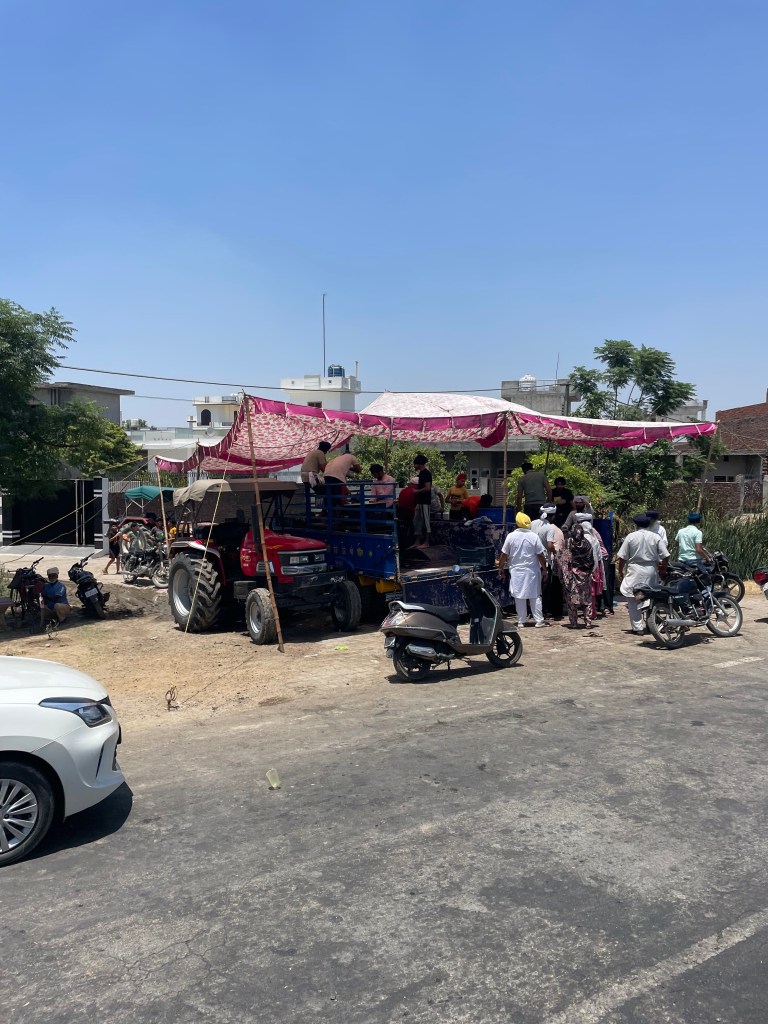
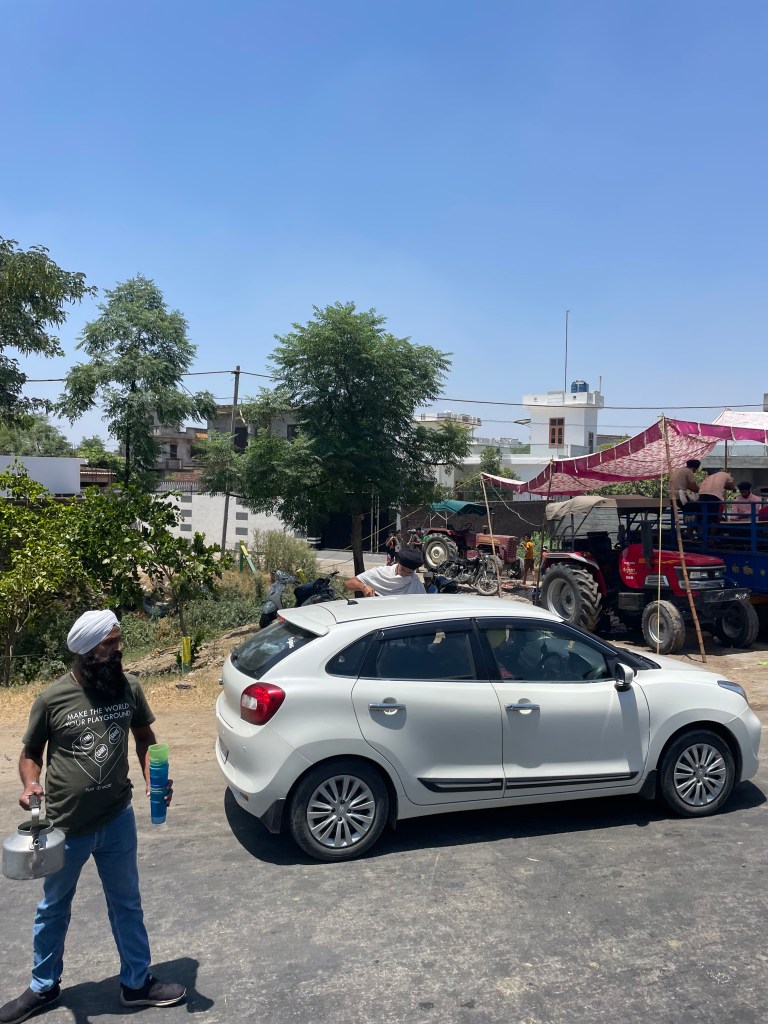
We pass several other stalls like that on our journey through Punjab and at one point the enthusiastic helpers even board the bus to make sure all the travelers are hydrated. Somehow they always sense when traffic is going to pick up again and rush to collect the empty cups. Interested to know whether this is a common occurrence, I do some research online and find out that one of the main Sikh holidays – the anniversary of the Martyrdom of Guru Arjan – is taking place in June. Chilled sweetened drink made from milk, sugar, essence, and water is freely distributed to everybody irrespective of their religious belief as a sign and honour of the Guru who accepted his torture and made no attempt to take any action.
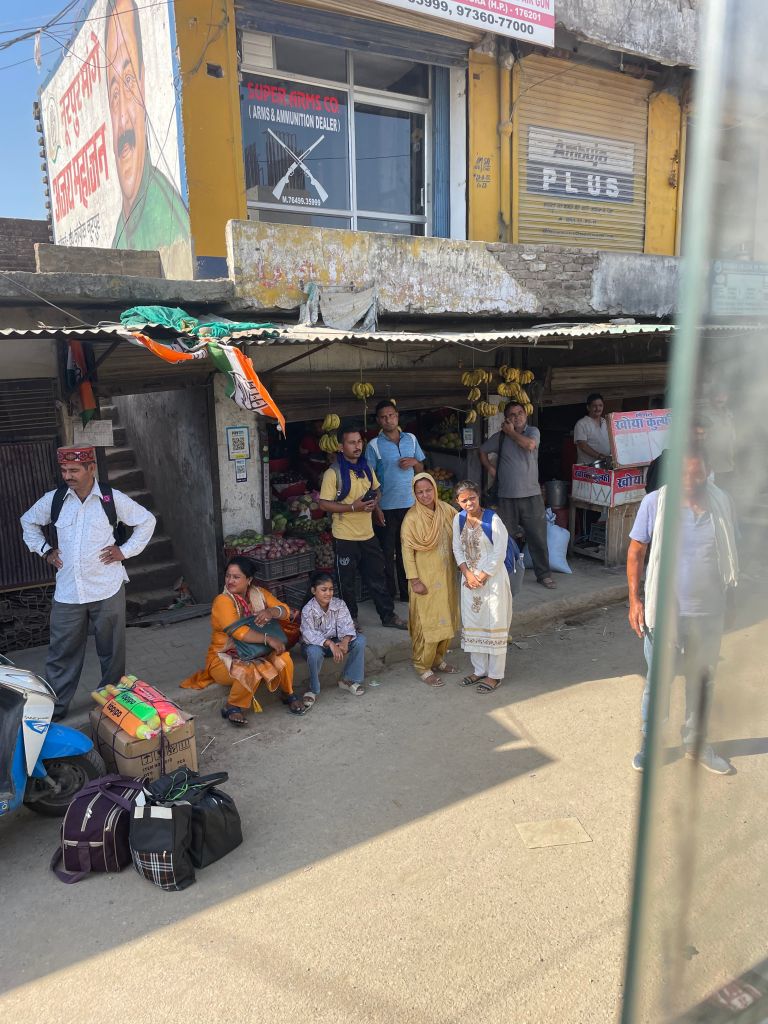
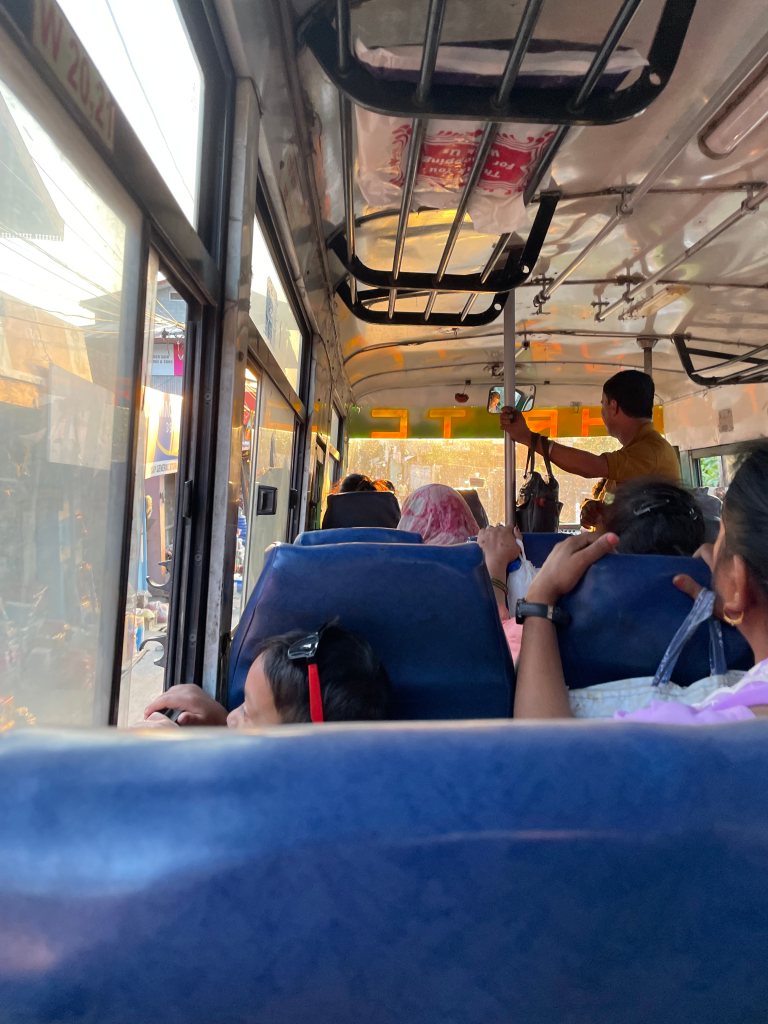
However, for every moment of kindness and deep-rooted culture, there are also reminders of the country’s struggles with waste and public cleanliness. Along the highway, I observe passengers casually tossing trash out of the bus windows without a second thought. Especially frustrating, was seeing a mother throwing an empty potato chips packet out of the window after asking her young son to open it for her. This is a reflection of a system struggling to keep up with its growing population and lack of awareness being passed down from one generation to another.
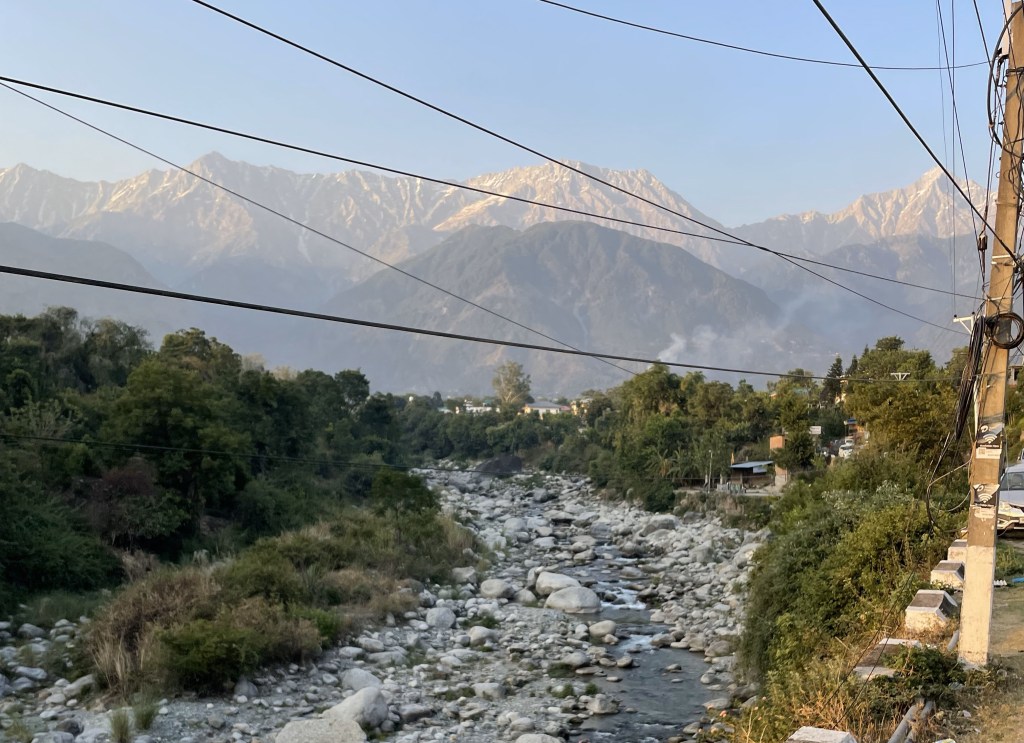
As the bus rumbles along, the urban landscape begins to fade, replaced by the more rural beauty of Punjab. Cows, ever-present in India, graze alongside the road, at times even poking their heads into markets and munching on merchandise. Then the rugged Himalayas start to appear on the horizon, their snow-capped peaks visible against a clear blue sky. The transition from the flat plains to the foothills of the mountains is breathtaking. A colorful hot air balloon floating in the distance, adds a touch of surreal beauty to the scene. And shortly before reaching Dharamshala, the bus passes by a cricket match being played by locals in a small village.
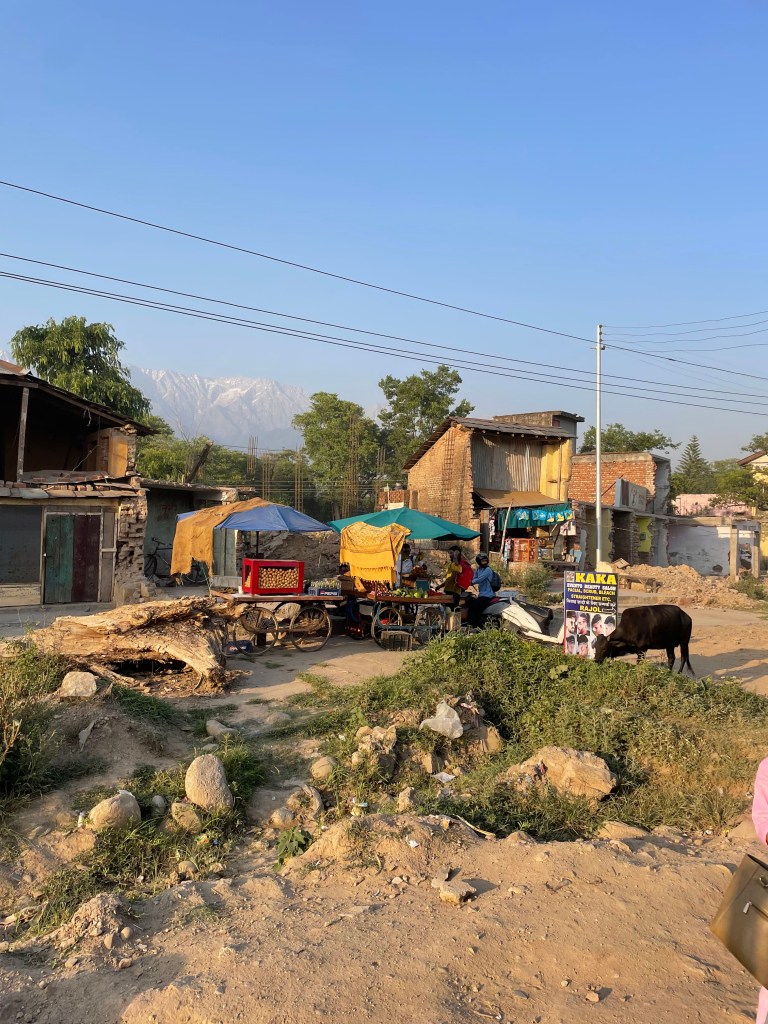
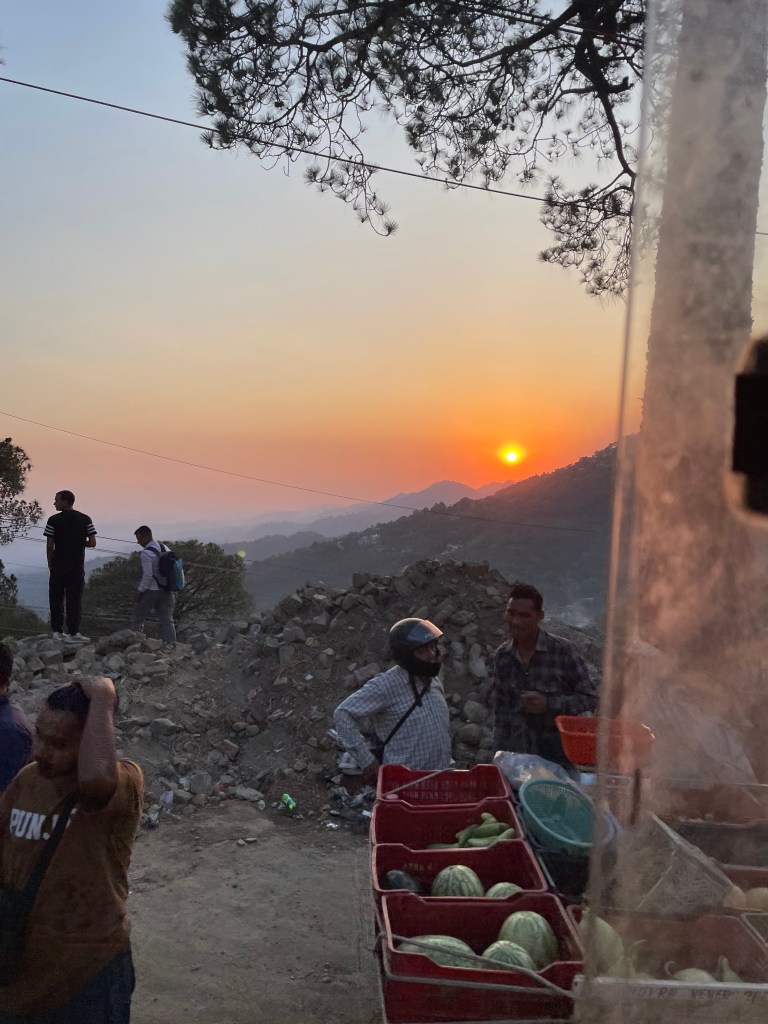
After hours on the road, and many passengers having gotten on and off, we begin to ascend into the foothills of the Himalayas. A gradual climb that is both physically and visually refreshing. The air, cool and crisp, is a welcome relief from the heat of Amritsar. I can’t help but reflect on how much this journey has taught me about India: the diversity of its people, the beauty of its landscapes, and the unpredictability of travel. From the chaos of Amritsar’s bus stand to the serene beauty of the Himalayan foothills, it’s a ride that perfectly captures the essence of India—a country of contrasts.
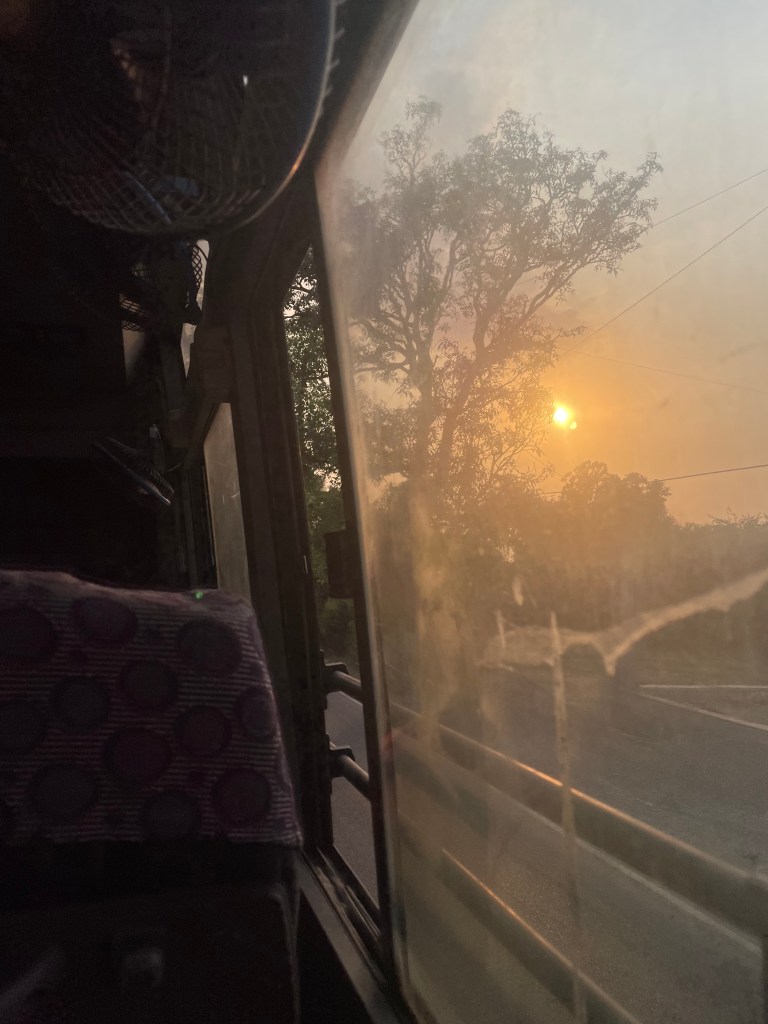
Given the many learning of this day, I plan to leave Dharamshala on a more comfortable, privately owned night bus headed for Manali in a week. Unfortunately, poor execution of this plan means, that I get to experience a second ride in a small, crammed bus. At least this time, it’s mostly at night and through the mountains. Of course there is no air-con, so I make sure to secure the window seat. I watch the full moon as we drive up and down curvy roads and through small towns. Many people get on and off after a few stops at random street corners. I only doze off a few times, struggling to find a comfortable position on the 3-person bench.
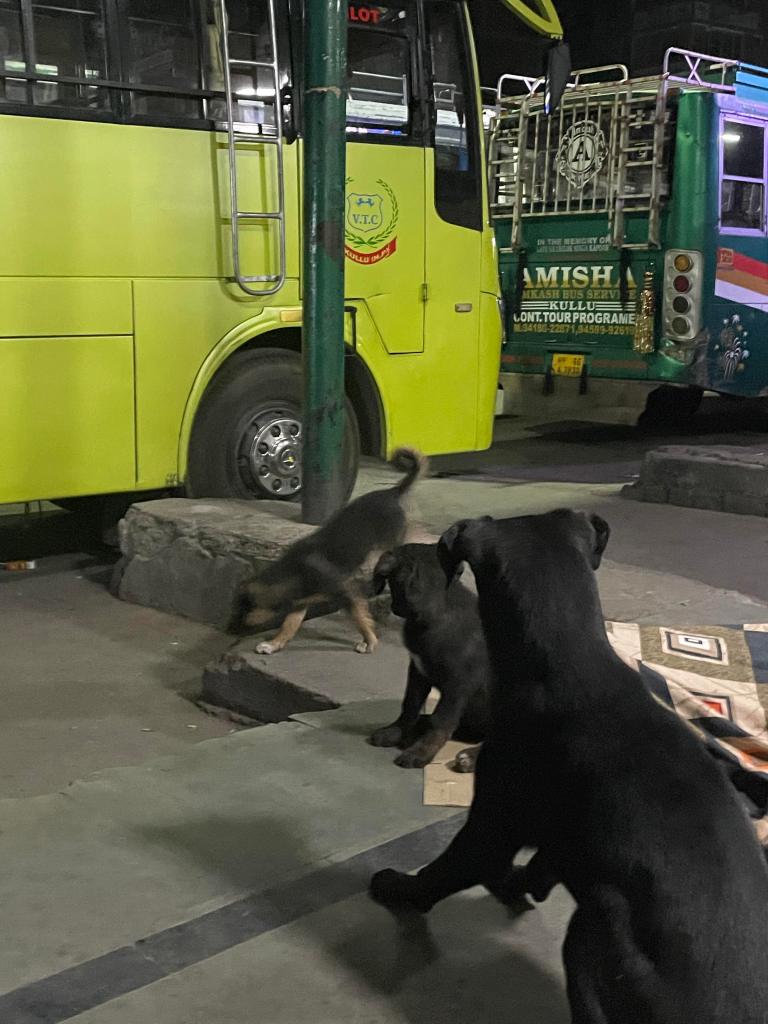
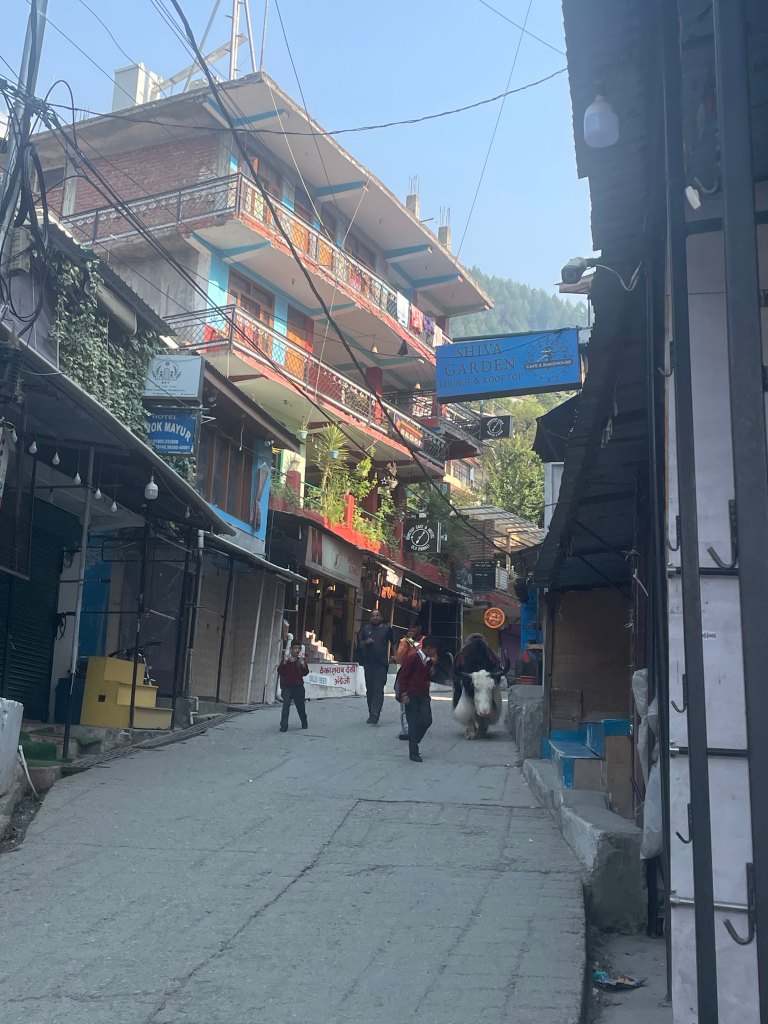
So when we finally arrive in Manali at 4am, all I want to do is lay down and sleep. I don’t seem to be the only one. After all, the waiting hall of the bus terminal is filled with people stretched out on the floor, only protected from the Himalayan wind by some colourful blankets. As it’s still dark, I decide to postpone the search for my hostel for now and sit down on my backpack, resting my head on the wall and soon drift off into a light sleep. An hour or so later, I’m woken by a stray dog’s puppies playing between the waiting passengers. I watch the cute animals for a while before finally getting up and strolling through Manali as the sun slowly rises. On the way to the old town part, I pass a man with 2 Yaks and I can tell that I have arrived in yet a whole different part of India.
 thattravelstory
One thought on “Joys and hardships of government bus rides in India”