UAE – 2022/2023
During the 6 months that I spent in Dubai, I made it a habit to leave the Expo 2020 compound every so often. I compiled the whole list of places I went to in this UAE guide: 7 road trips to get away from Dubai. But today we’re taking a closer look at Al Ain — the only major city located in the middle of the desert, close to Oman. I visit it on 2 occasions, the first time with my housemates during the beginning of my stay in the UAE and the second time with another friend towards the end of the World Expo. The planned weekend trip with my roomies almost ends before it even starts, when 1 of the 2 girls I live with receives some bad news from home. However, she finally decides that the trip is just the distraction she needs, and at 8.30pm, we pack all our bags into our rental car.
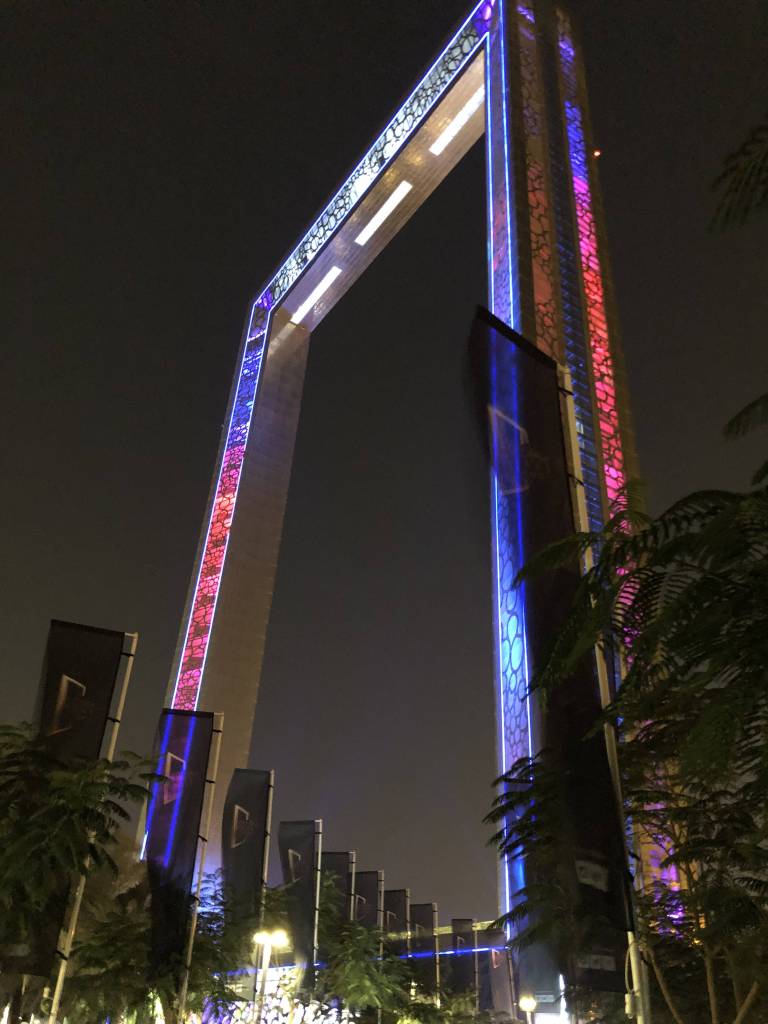
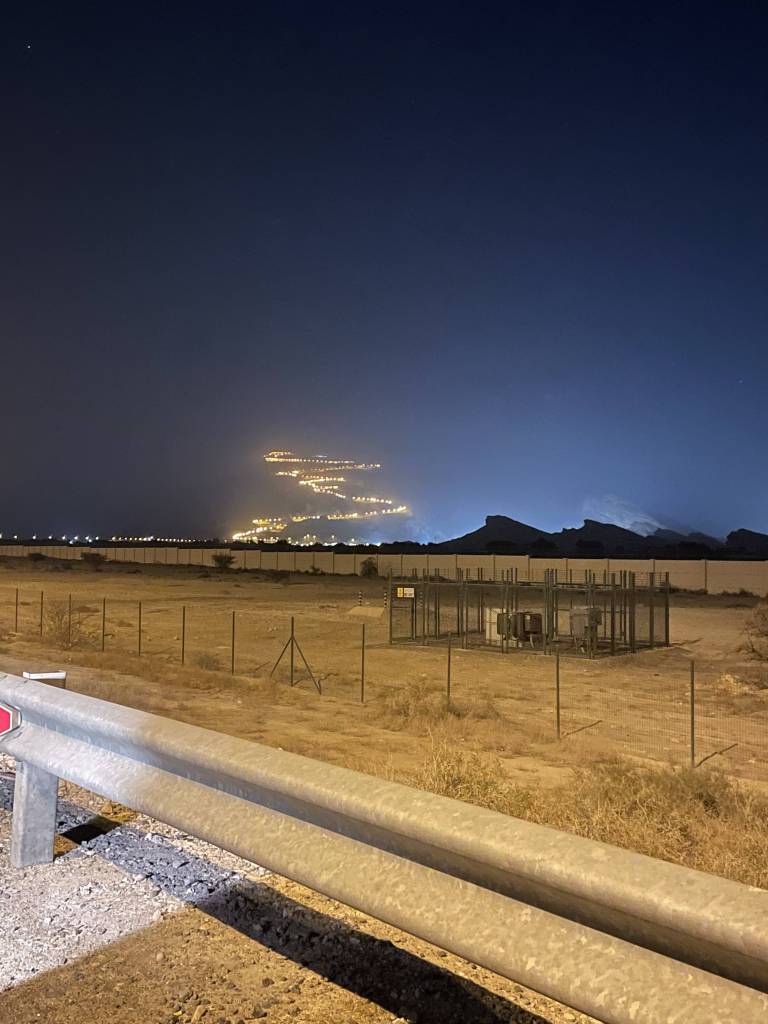
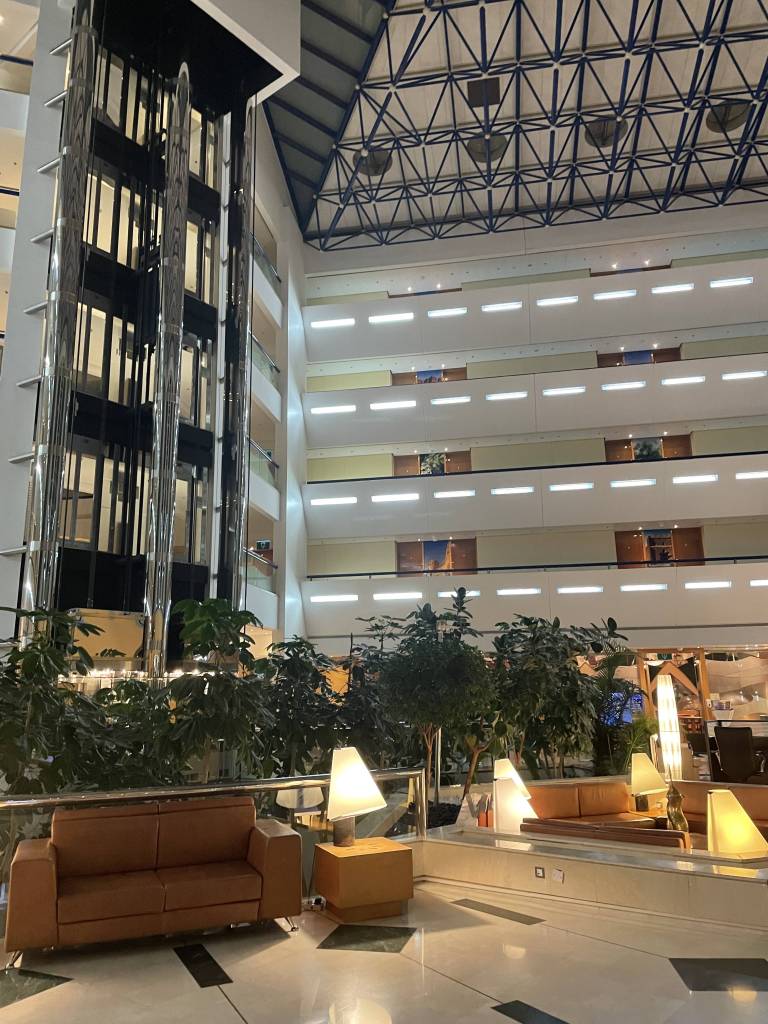
By 9pm, we pass the lit up Dubai Frame on the Sheikh Zayed Road and around 1.5 hours later we leave the highway on the southern side of Al Ain. We’re staying at the Mercure Grand Jebel Hafeet Al Ain Hotel, which was recommended to us by a co-worker at the Swiss Pavillion. When we see the streetlights lining the curvy street leading up to the top of Jebel Hafeet, we know we made the right decision in following Damien’s advice. For a hotel in the middle of nowhere, the building is of a very impressive size. But what strikes me the most, upon entering the lobby, are the large portraits of whom I think is the ruler’s representative of Al-Ain alongside the ruler of the UAE. Under their observing eyes, we take the elevator up to our room, where we quickly unpack. Since we’re all not quite ready to sleep yet, we then head back out to the terrace to take in the night view and end up having the deepest conversations about any topic that comes to mind until 3am.
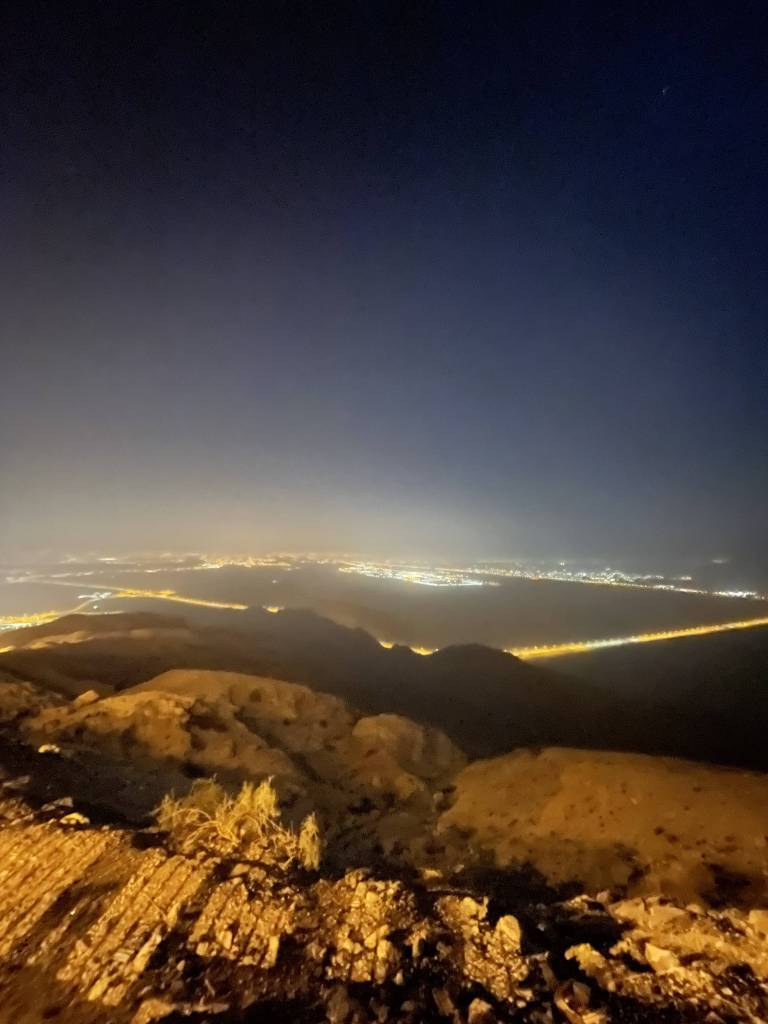
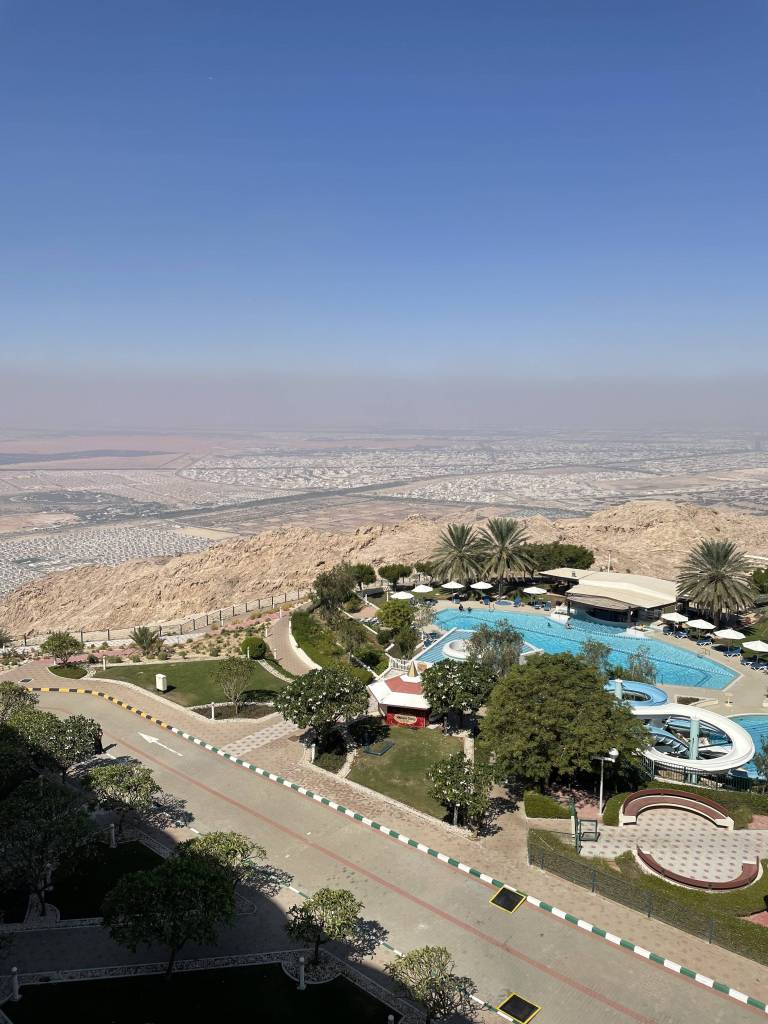
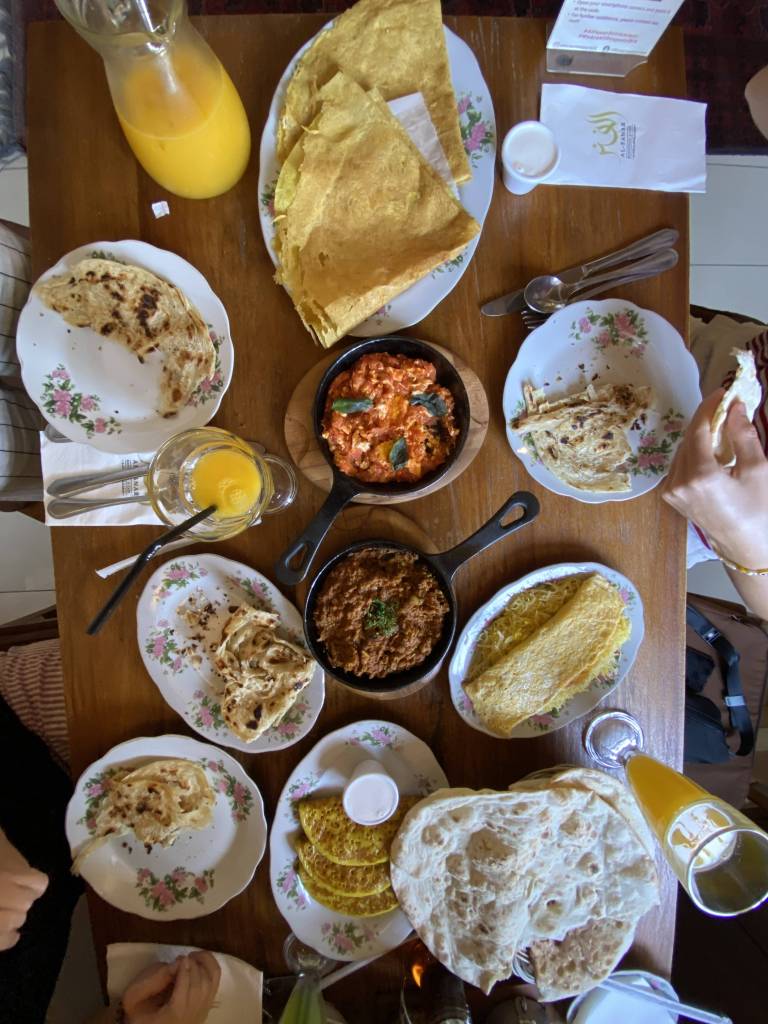
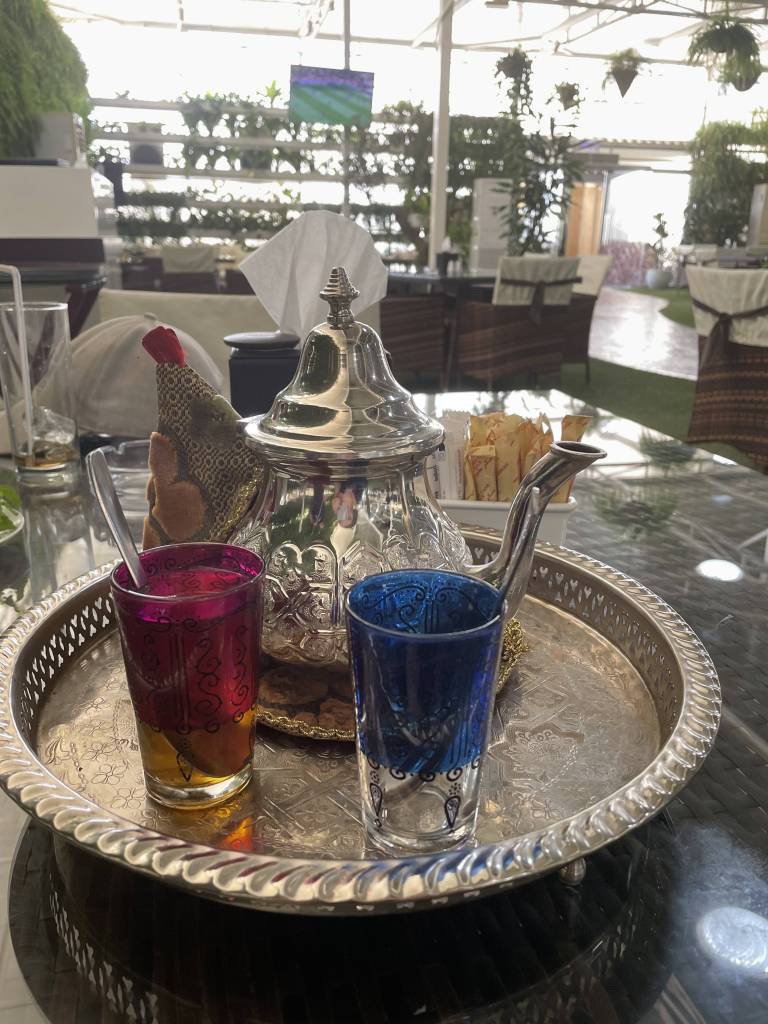
Needless to say, we sleep in well the next morning and first take in the view from our balcony by day before getting ready to drive down the hill and explore the city. While Liana drives, Alina is in charge of music and I search Google Maps for a brunch place. We soon unanimously decide on “Al Fanar” for a taste of the Emirati cuisine and shortly after pull up in the huge parking area in front of the restaurant. The sun is out in the desert country, and I’m glad to be moving seamlessly from one air-conditioned space to the other. We choose a table in the courtyard of the house that looks like a replica of an ancient stone building. Suddenly realizing that we are indeed quite hungry, we order a selection of dishes and different breads to share, along with fresh fruit juice and mint tea. All the flavours are simply incredible and we continue the conversations from the previous night in between bites of keema, scrambled egg and saffron rice.
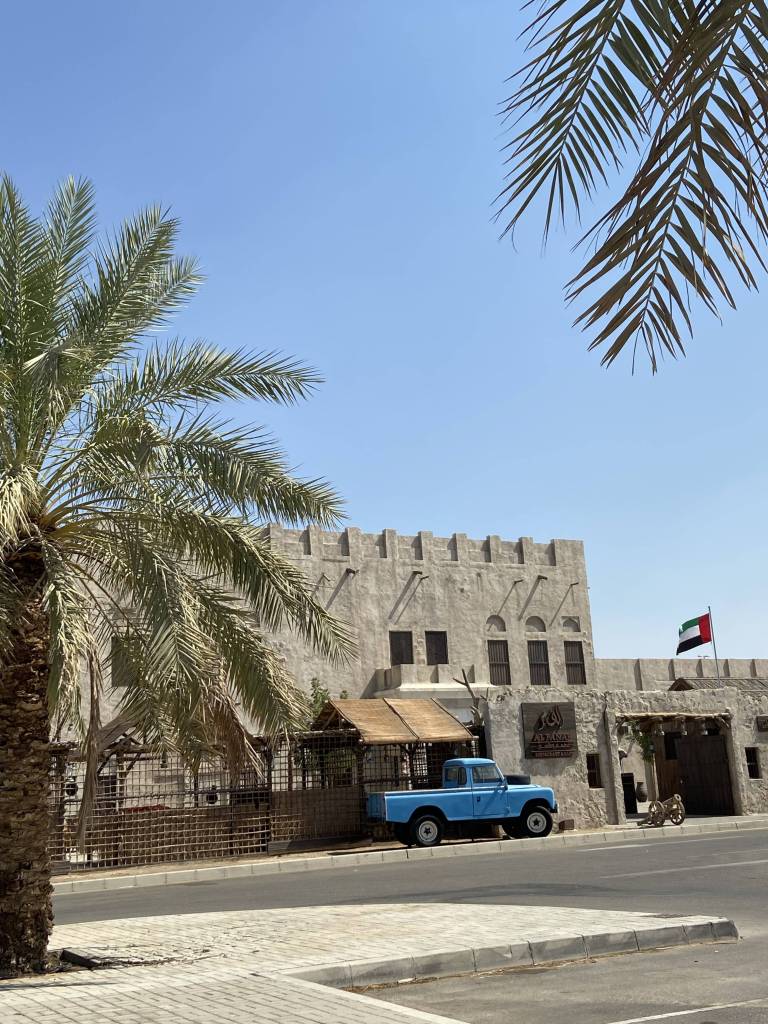
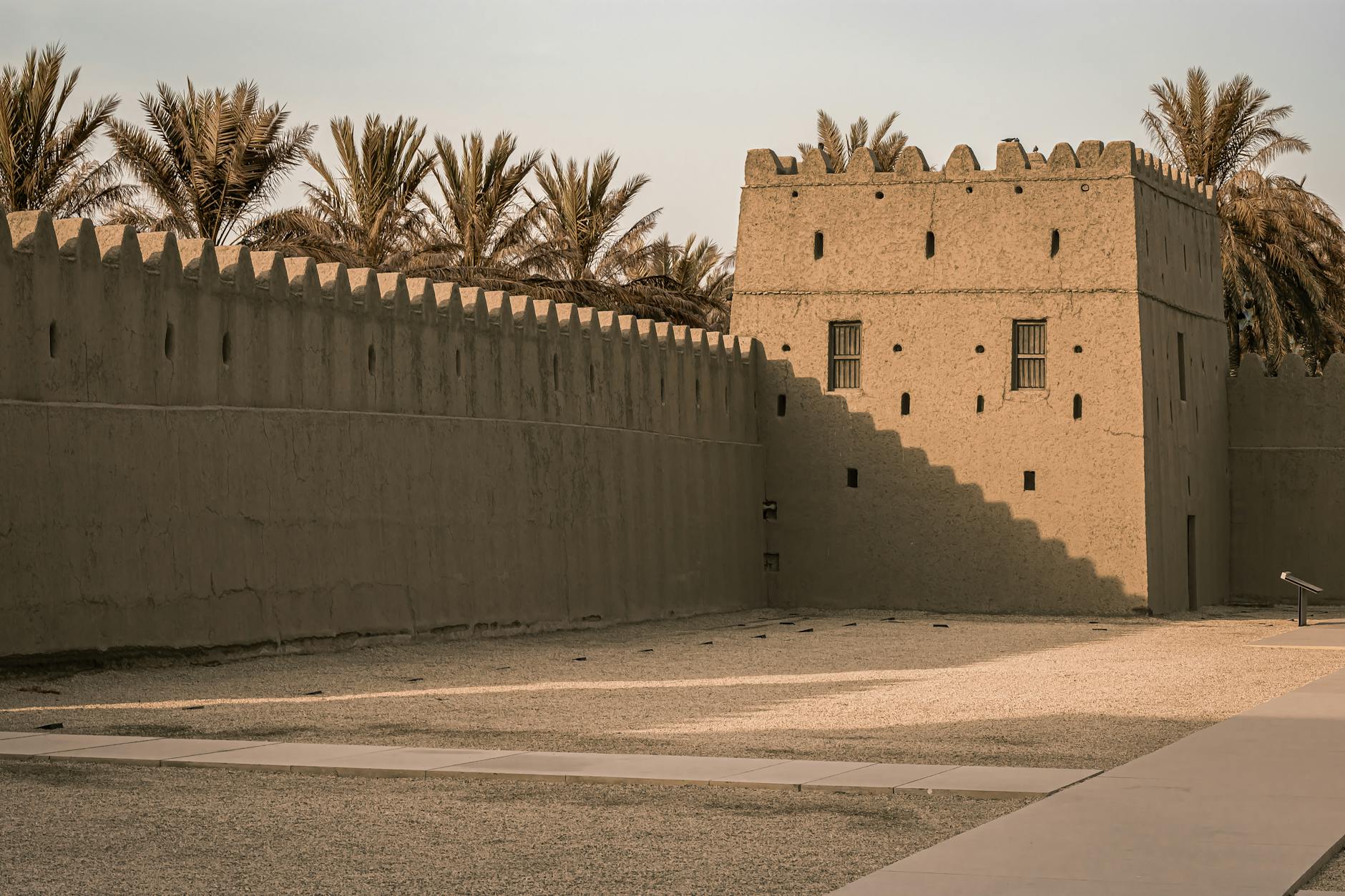
Well-fed, we finally start our exploration of the town in the early afternoon. First up is a visit of Al Jahili Fort. One of the most iconic historical landmarks in Al Ain—and one of the largest forts in the UAE. It was built around 1891 and originally served as a fort to protect the city and as a residence for the local ruler. The thick, sand-colored mudbrick walls, round watchtowers, and a large central courtyard have been carefully restored and now host galleries and exhibitions. We spend a few hours hiding from the sun in the naturally climatized Majlis, where we have another heartfelt conversation – just what the traditional sitting room has been used for in the past.
Just around the corner from Al Jahili Fort, we find the famous Al Ain Oasis. A place in the middle of the city which is home to nothing but thousands of palm trees. We arrive shortly before the closing time, but the clerk at the ticket office still lets us inside. Given the late hour, most of the other visitors are already on their way out, some of them even on golf carts. But for now, we say no to a driver offering us a ride. Instead, we wander down the small alley lined with a low mud wall. At one point we encounter a wooden door which isn’t locked but only loosely leaned onto the iron hinges. After briefly looking up and down the alley, we swiftly push the door open and one after the other, slide through the opening. We now find ourselves in between hundreds of palm trees, arranged in square fields that are separated by shallow irrigation ditches.
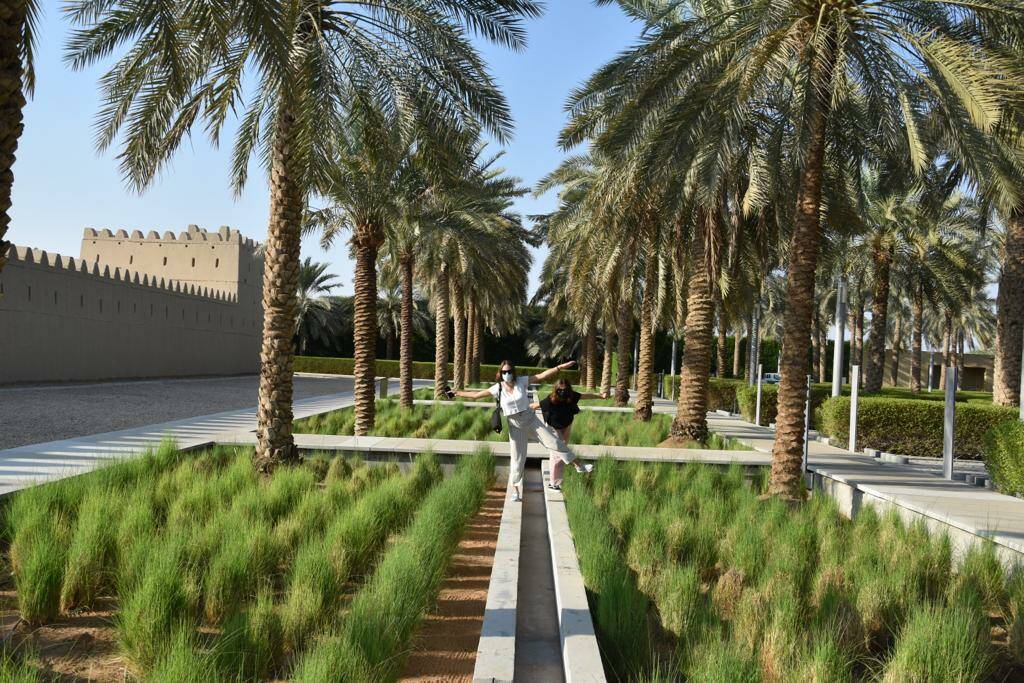
We walk around the maze of paths for a while and play with the fallen palm leaves. When the sun really starts to set, and we hardly see where we are stepping we realize that we need to find a way out. Somehow we make it to the other side of the field and luckily find another unlocked door, which leads us back to the actual alley. The three of us do our best to appear innocent and are soon picked up by one of the golf cart drivers in Emirati dress. He brings us back to the exit and we return to our car. On the way back to the hotel we discuss the dinner plans and opt for a meal at the accommodation’s restaurant on the terrace with a view. That night we go for another stroll around the hotel premises but vow to sleep earlier. After all, the next day we need to return to Dubai. But first, we check how close to the Omani border we can get. The answer: not too close and there is no border office in sight. Then we have another brunch at Al Fanar before tackling the drive home through the desert.
My second trip to Al Ain is much less planned. On a Wednesday evening, 2 weeks before the Expo ends, I meet my colleague Janis on the way back to our apartment block in the Expo Village. We realize that we’re both off the next day and when Janis says that he wants to visit the Camel Market in Al Ain, we quickly agree to go there together. So we meet at the Village’s Nissan Car Rental office the next day to pick up one of the vehicles available at a cheap rate. I am the designated driver on the day and Janis takes over the playlist. The music selection differs drastically from what Alina was playing during the previous trip, but I enjoy the different vibes. We quickly leave Dubai behind and drive through the desert without a break.
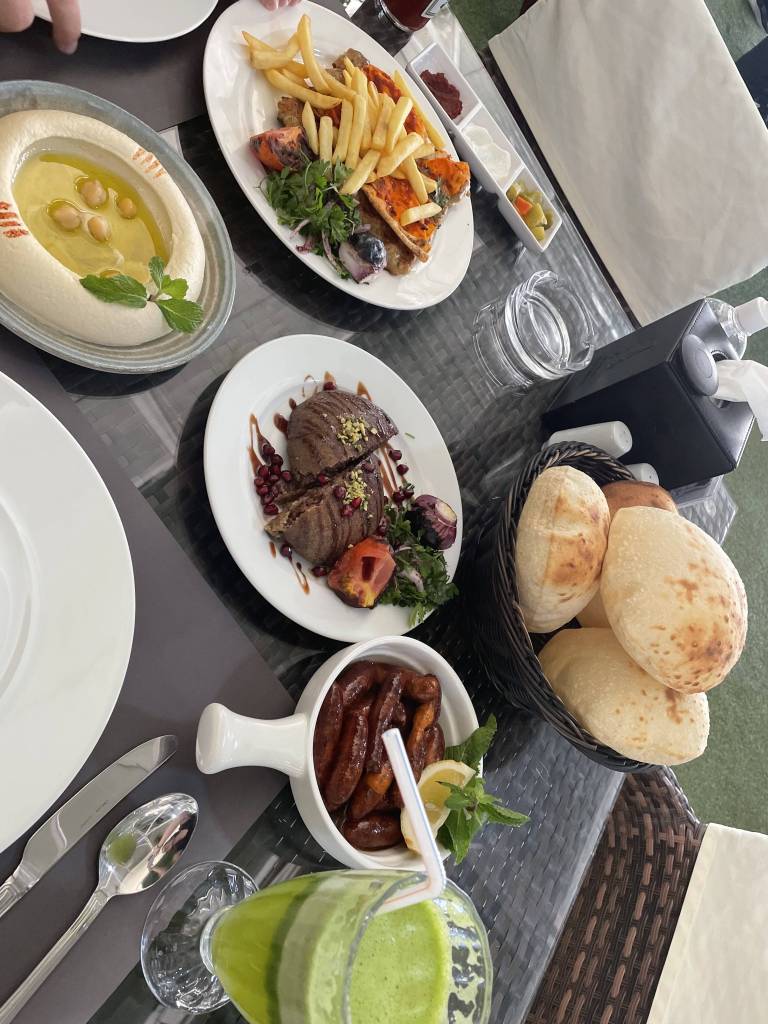
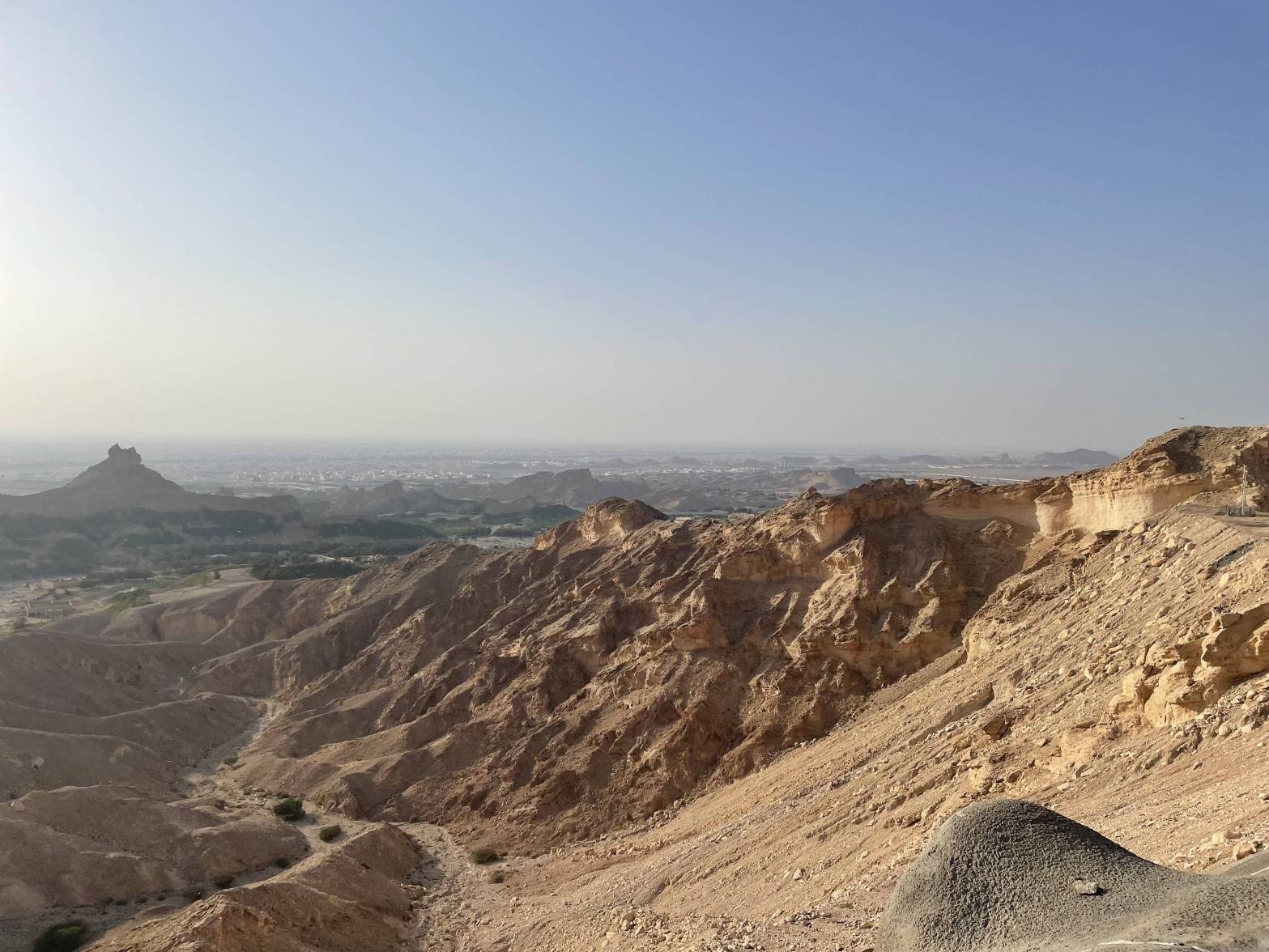
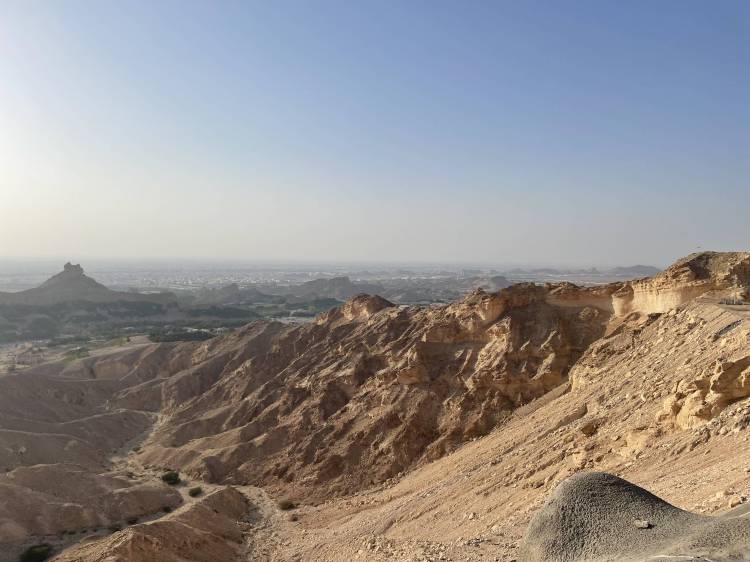
Since we’re both quite hungry upon arrival in Al Ain, we first head to some restaurant that Janis knows from a previous visit. We order shish kebab, hummus, koftha and sujuk with a side of bread. For dessert, we treat ourselves to a shisha and chai – hands down the best thing to relax after a meal. We chat about the rollercoaster that of experiences the past six months have brought and about what the future may hold for us. Then it’s suddenly already 3.30pm and we realize that we probably should get going if we want to see some animals before heading back to Dubai. The camel market is located a short drive outside the city center and on the way we notice the sign pointing to Jebel Hafeet. Since Janis couldn’t make it there last time he was in town, we go on a quick detour half-way up the hill before finally turning onto the road leading to the market.
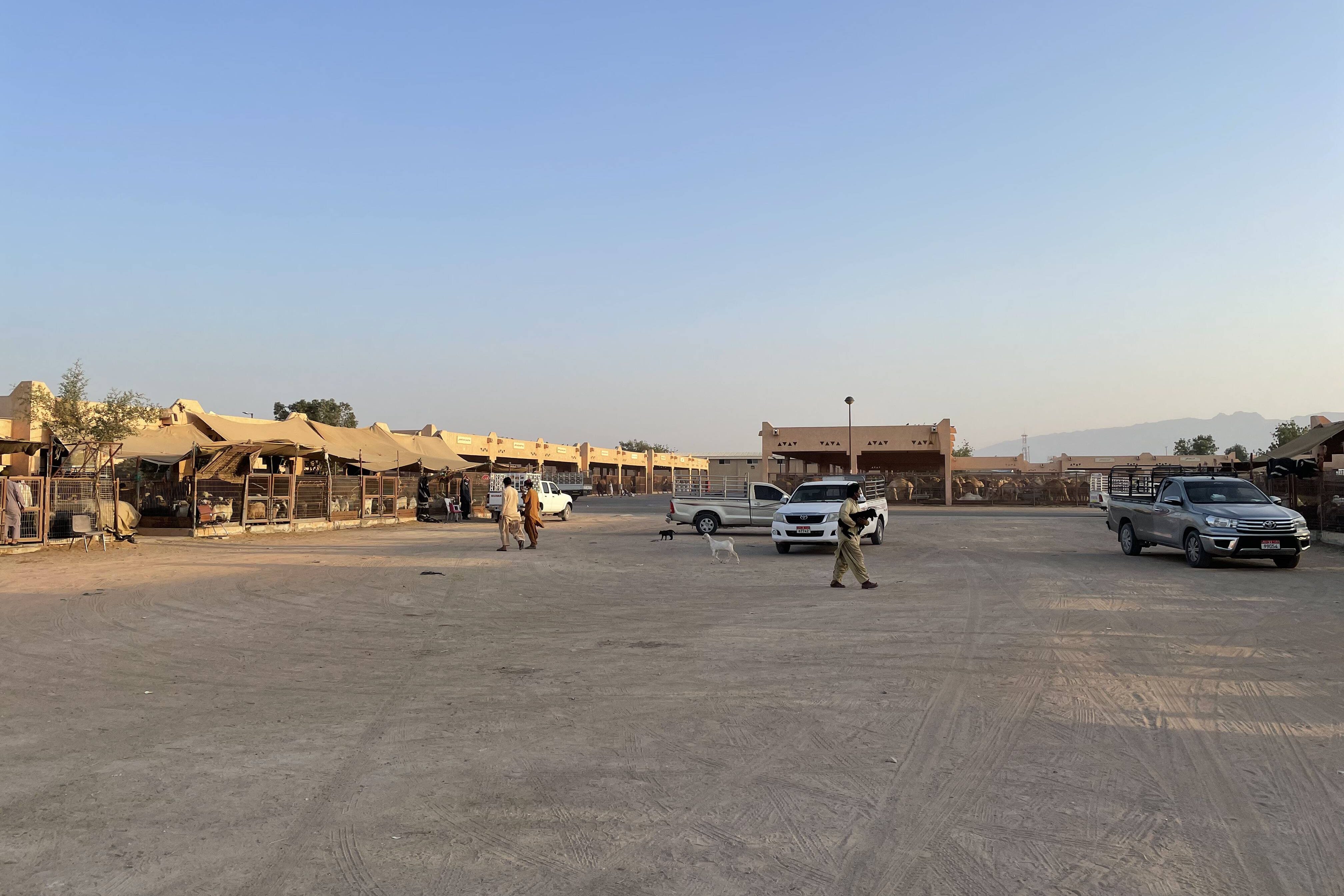
The Al Ain Camel Market is one of the last remaining traditional camel markets in the United Arab Emirates. Upon arrival on the premises, we park our car in one of the designated spots and then stroll up and down the wide lanes between the individual animal enclosures. Unlike polished tourist attractions, the Al Ain Camel Market still feels very authentic. It’s where local farmers, traders, and camel herders meet daily to buy and sell camels, just like they have for centuries. You’ll find camels for different uses — racing camels, breeding camels, and those meant for meat or milk. Racing camels are highly prized and can fetch huge sums.


But not only camels are for sale. There are also vendors offering goats, cows, and other livestock. Since the market is most lively in the morning, we are the only tourist at our time of visiting. The vendors are chatty and more than once we receive unasked for offers for a goat, and even a baby camel. Out of curiosity, we then try to figure out the average prices by comparing other people’s offers. One of the guys working at a camel stall takes this for real interest and introduces us to his best animal: a racing camel worth several millions of Dirham. We politely decline the offer and head over to the half-open goat enclosure.
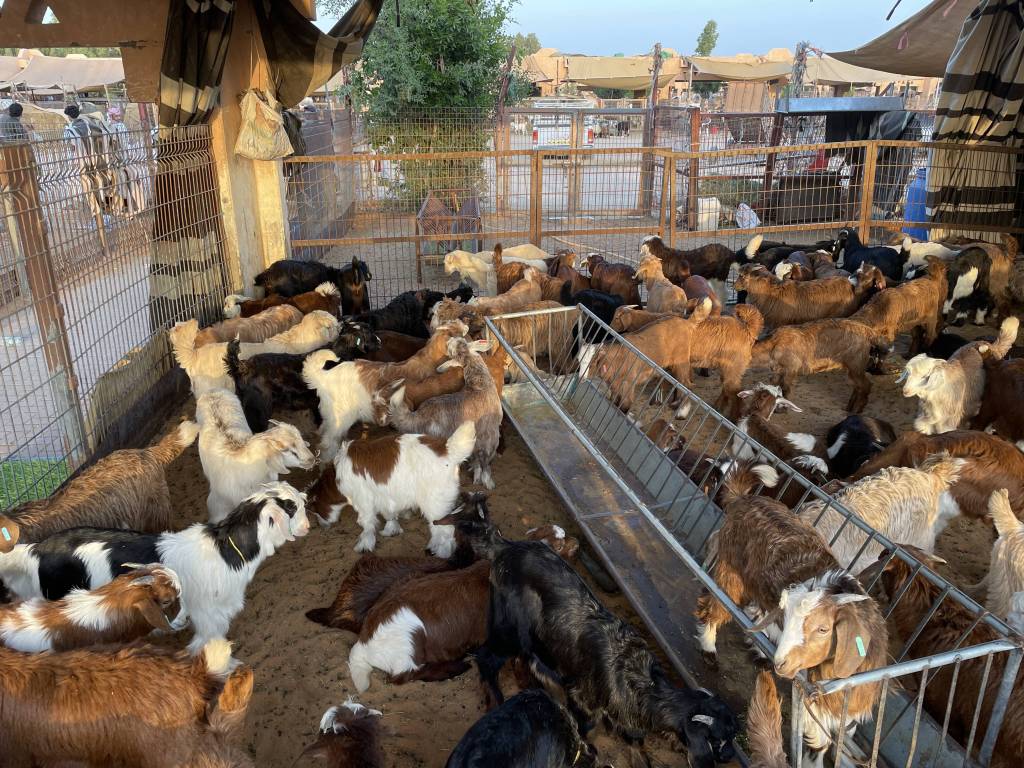
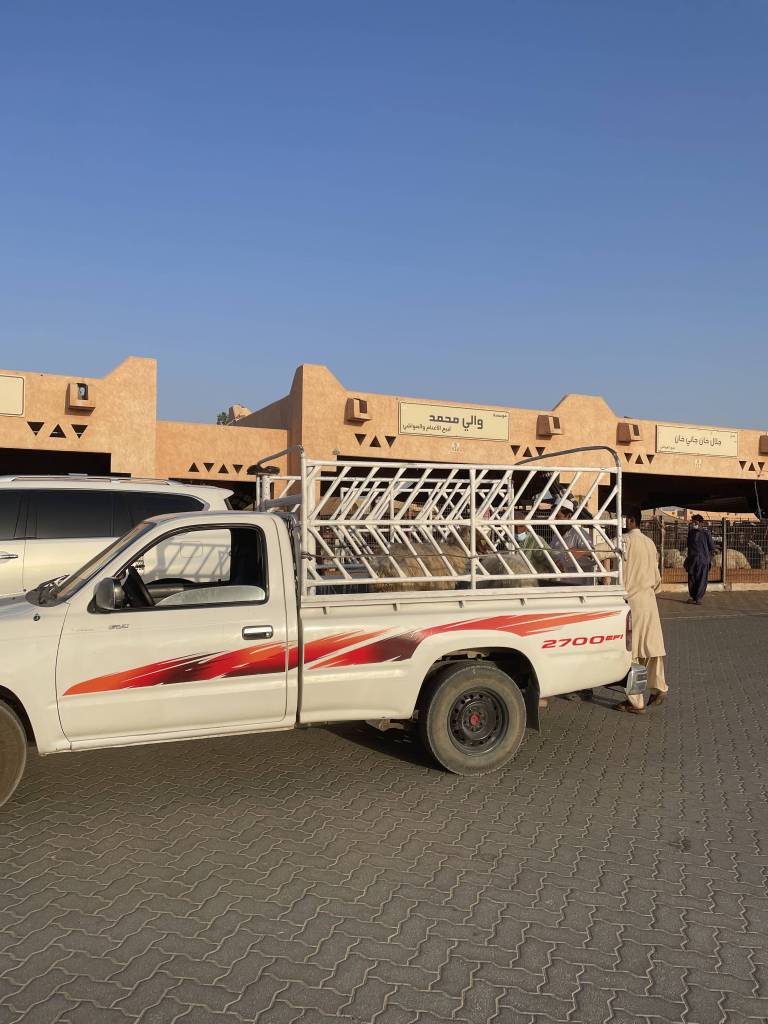
In this part of the market, we observe multiple pick-up trucks with large male sheep loaded on the back and staff carrying small goats to waiting cars. We ask a guy waiting next to one of the pick-up trucks about the destination of its load. He silently replies with the universal gesture of his hand sliding across his throat. Meaning that the sheep will likely end up at some restaurant or large family home as mutton biryani. As sad as it is to look at the animal at that moment, we also acknowledge the natural course of life. Nevertheless, with the sun slowly setting behind the market roofs, we take this as a sign to make our way back home. Once we arrive at expo, we meet up with another friend and go for dinner at a nearby Pakistani restaurant, where we have vegetable curry.
 thattravelstory