Philippines — December 2024
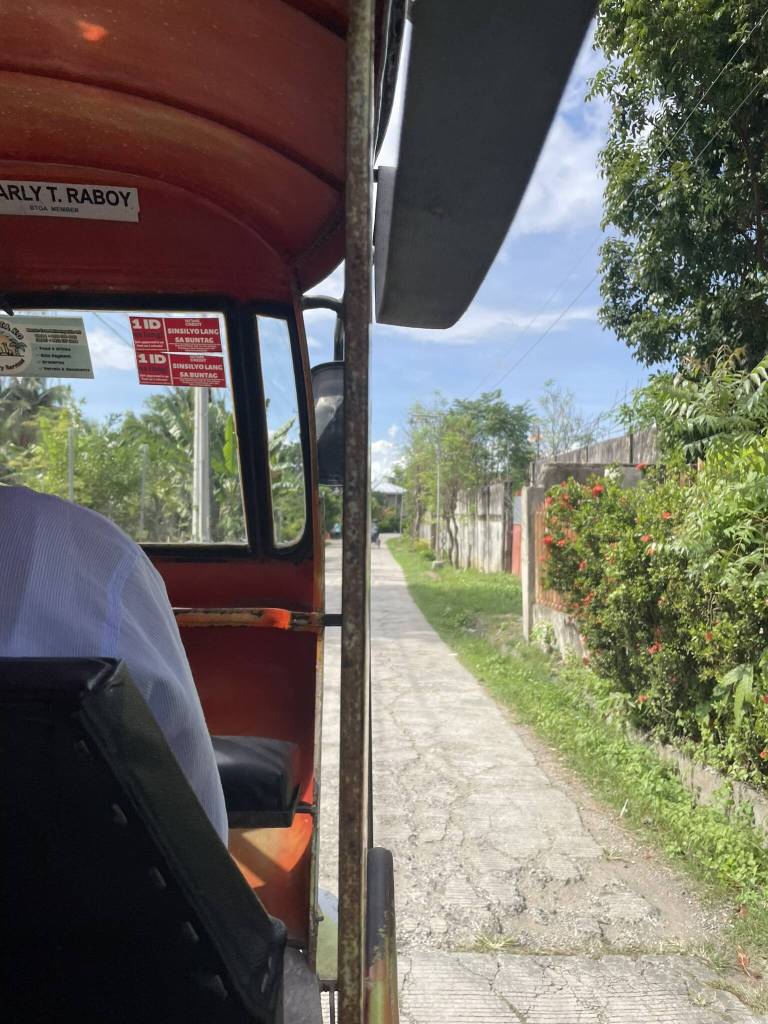
I wake up early in my hostel in Moalboal, take a shower and enjoy the last view of the seaside terrace. Luckily, I booked a tricycle ride to the bus terminal on the previous day, since there are not many people on the beachside streets at 6.15 am. The driver is already waiting when I step through the property gate, and we swiftly ride up the potholed street leading to the main road. Here, a few sunburnt western tourists on the hunt for a pre-tour breakfast are looking at the menus of small cafés that are just about to open. Others are already scrambling into minivans taking them to waterfalls and snorkeling spots. As we’re leaving the resort area, we are stopped for a moment by the construction workers who are mending the road, which has been devastated by a typhoon a few months prior. We arrive at the bus terminal at 06.30, I pay the fee of 150 pesos and the driver even helps me with handing my luggage to the bus attendant.
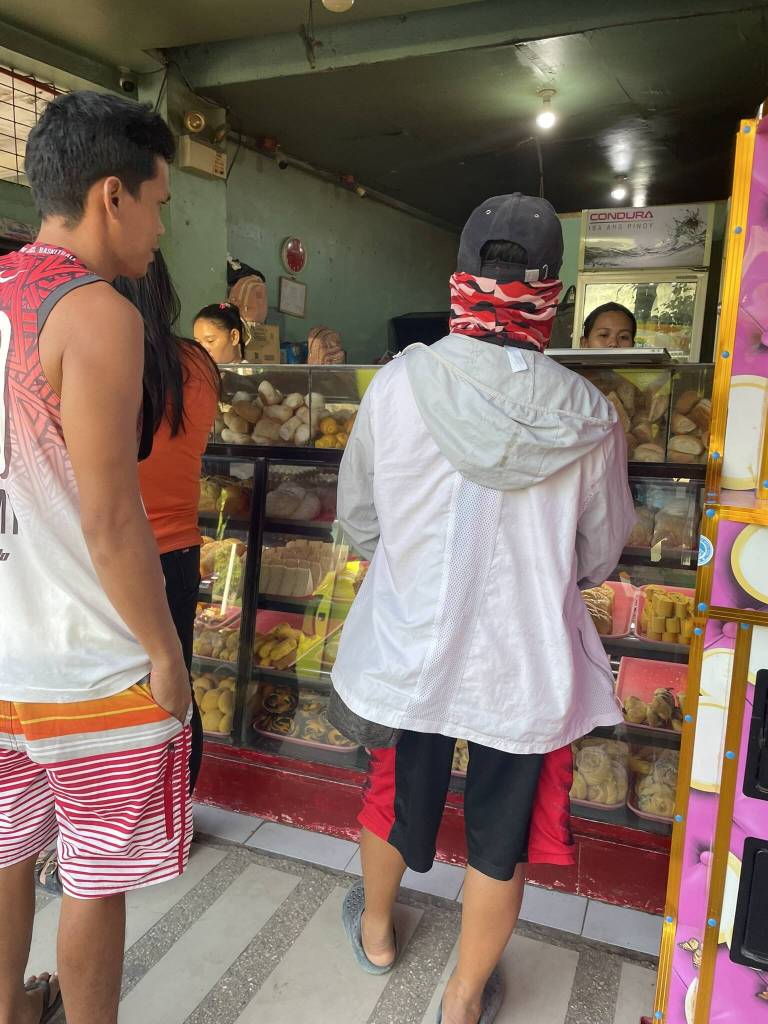
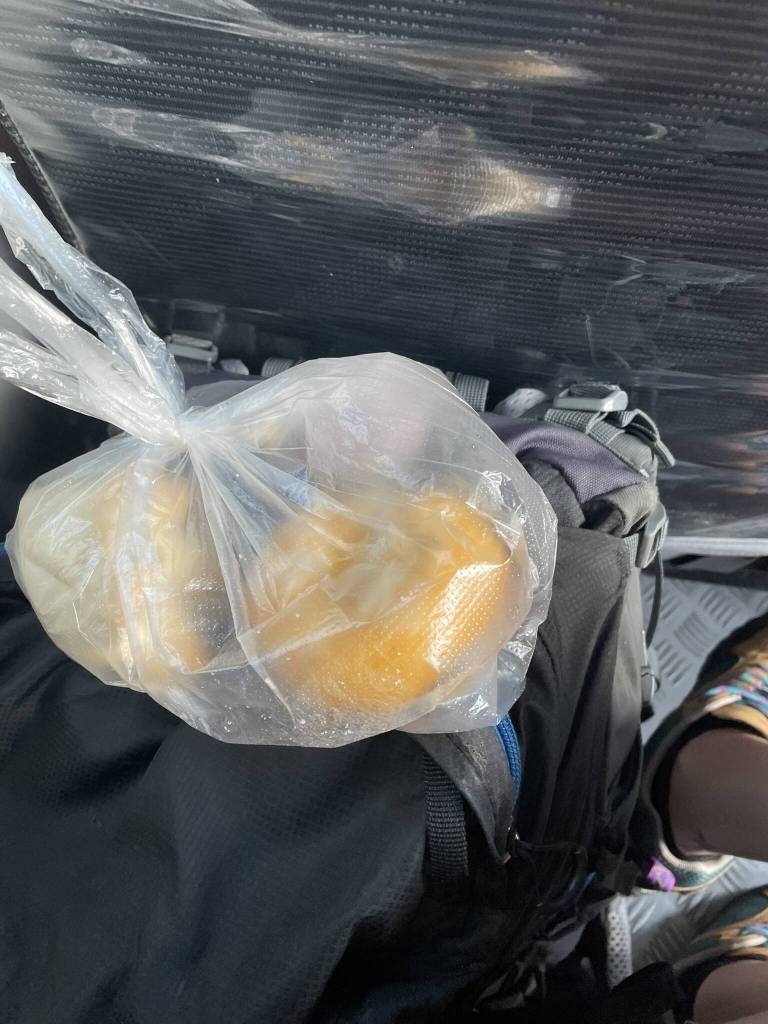
The bus is scheduled to leave at 07.00. So after securing my seat, I step back outside to buy some snacks and drinks for the journey to Cebu City. The most popular food stall seems to be the bakery, so I join the queue of tricycle drivers and motorbike riders and get some sugary pastries. As soon as I turn around to walk back to the lonely long-distance bus waiting at the roadside, the bus attendant ushers me into the vehicle. Confused, I double-check the time. It’s 06.40. We still have plenty of time and still not all seats are occupied. Not wanting to take any chances, I sit down either way and at 06.45 the engine comes alive, and we turn onto the main road leading north. The bus stops a few times to pick up people in various places before we leave the city. Once at the seaside expressway, the bus attendant strolls down the aisle to collect the payment from all the passengers. I pay the fare of 210 pesos to Cebu City Southern Bus Terminal and begin to munch on my breakfast.
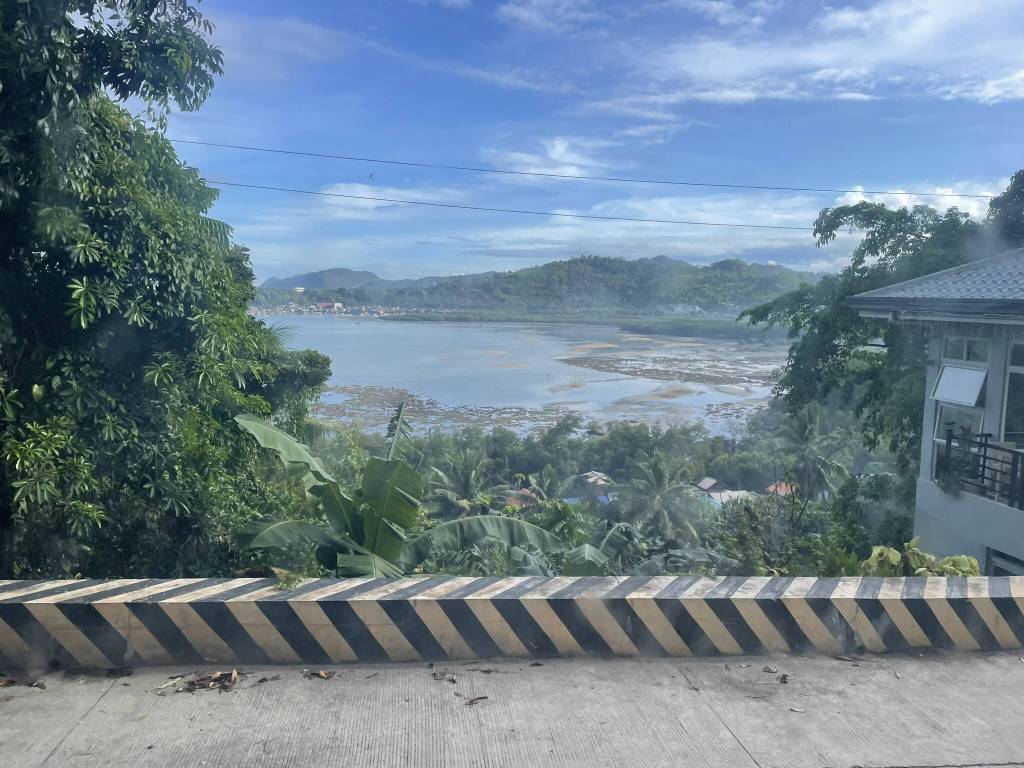
We make good progress on the curvy roads crossing the mountains of central Cebu island. While I was mostly catching up on sleep during the 3-hour van drive down from the airport, I now take the time to take in the view through the bus window. We pass small settlements and roadside shops built in the middle of lush green jungle. Occasionally, I get a glimpse of the panoramic view spreading out behind the big trees covered in lianas. Once we reach the highest point of the volcanic hills, the road tilts back down, and we swiftly cruise towards the eastside valley, where roads are lined with big banana trees. Kids, goats, and chickens are running around in front of green rice fields. Then, as we get closer to Cebu City, the scenery changes again. To the sound of Elton John playing on the radio, we now drive past two-story concrete buildings. Traffic increases steadily, and the bus driver is now fighting for his space between motorbikes and small windowless public buses.
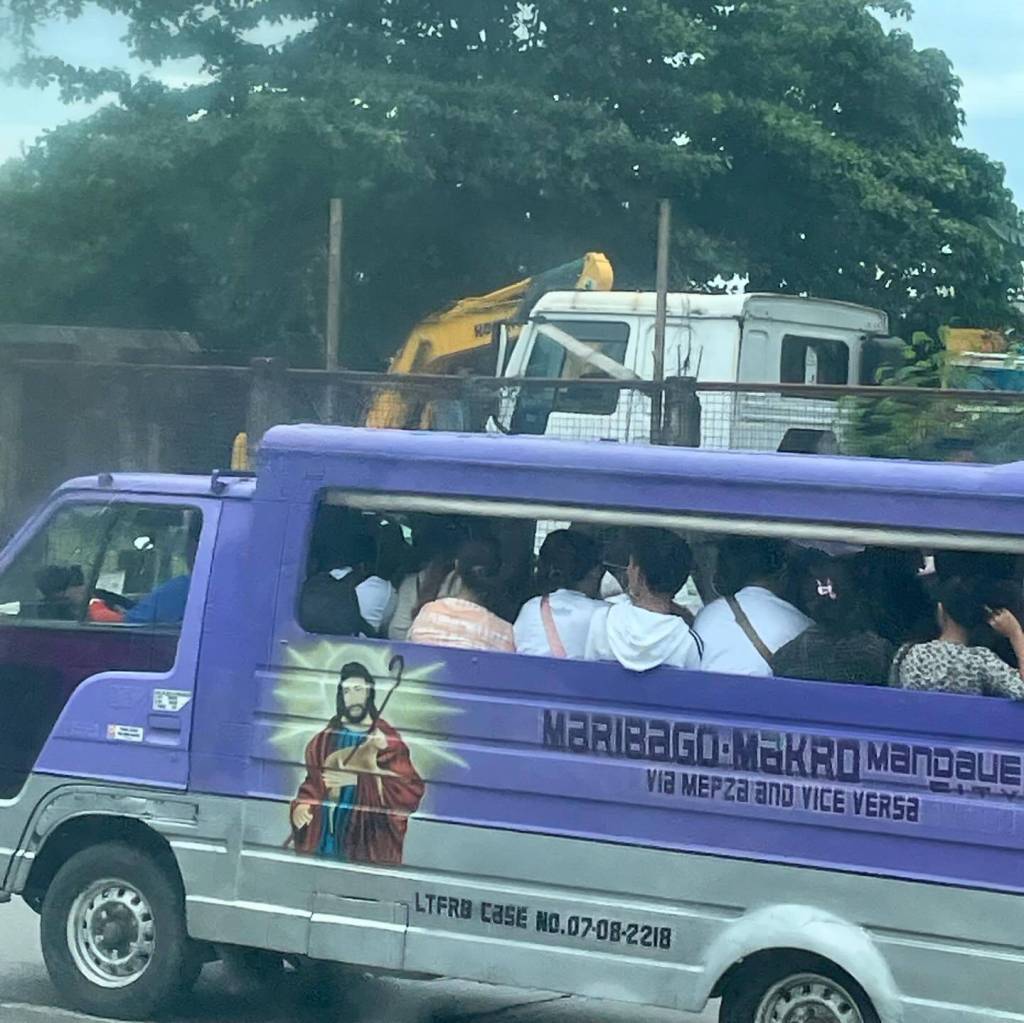

At a traffic light, a crowd on the left side of the street catches my eye. As I focus to see what’s happening, I suddenly realize that the men are cheering on 2 roosters engaged in a fight. They may have placed bets on the winner and now hope to make some money. Then the light turns green, we leave the scene behind and soon pull up at the Southern Bus Terminal in the island’s capital. However, my journey to Malapascua is not over yet. I have to take another bus to the northern edge of Cebu, but that one leaves from a different terminal about 5 km north from where I am now. Happy to stretch my legs, but a little overwhelmed by the midday heat, I step out on the main street hoping to catch a motorbike taxi. At a mall a bit further up the street, I get lucky and find a few men waiting for customers in the shade of a palm tree. I negotiate the price of 100 pesos, put on the helmet I’m given and get on the back of the bike. The headwind is refreshing, and I wouldn’t mind riding all the way up north. But I get off at the north-bound terminal and quickly find my way to the ticket booth.

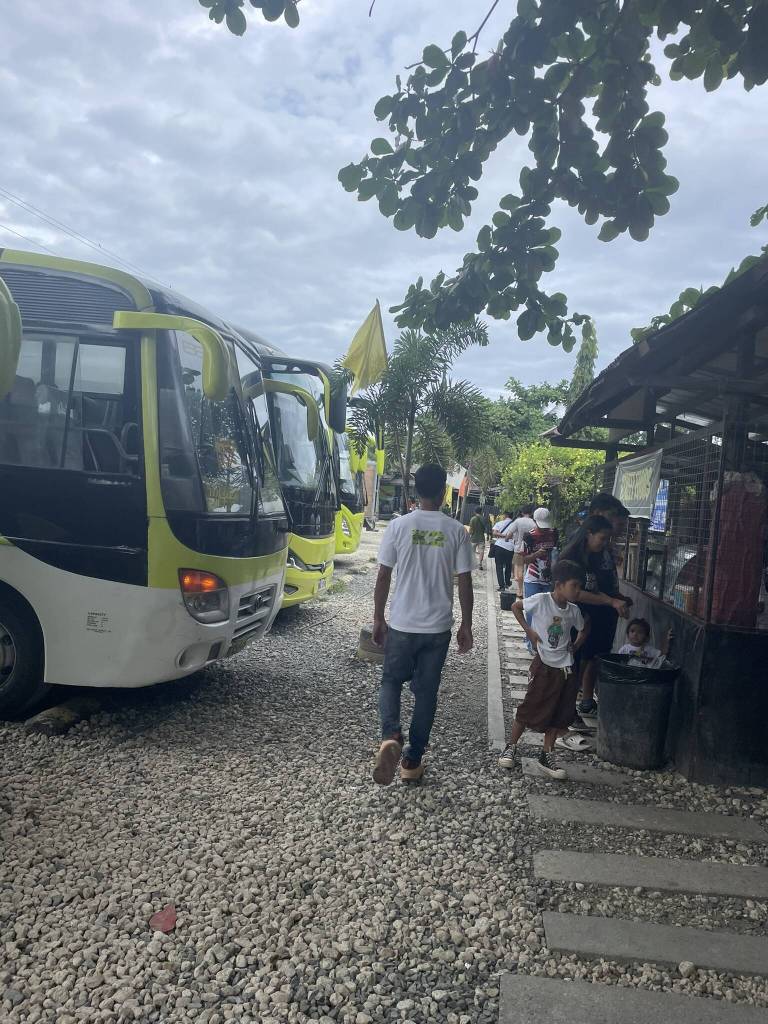
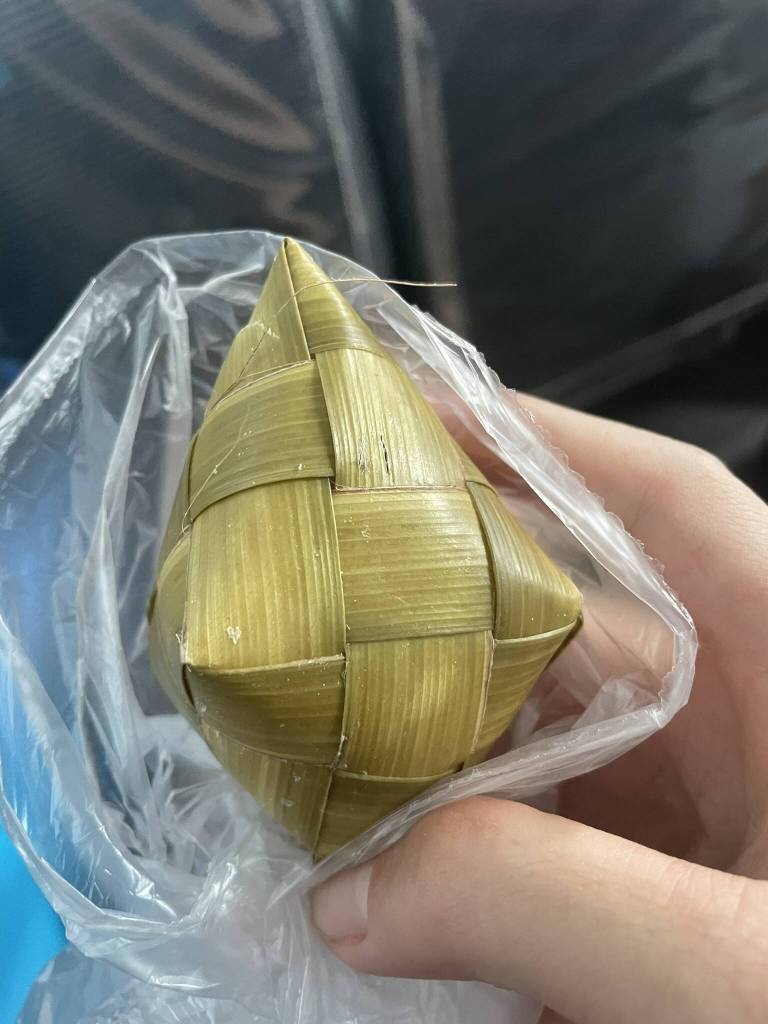
For 320 Pesos, I buy a ticket for the air-con bus scheduled to leave “soon”. Relieved that I only have 1 transfer left, I sit down in the assigned seat close to the other foreigners heading to Malapascua. An older European man and a Latina lady are engrossed in a conversation about when the bus may leave. They both have been given different information, but both departure times are long over. Neither me nor the Philippino travellers worry much and just 10 minutes after I board, we pull out of the terminal. But then the real test for the western nerves begins. The bus stops frequently to pick up people from the side of the road. This is common practice in many parts of the world, since the driver wants to maximize the fares paid. But the fellow European traveller is not having it. He was told that this is a direct bus, and he’s anxious to catch the boat to Malapascua as soon as possible. So the mood sours as we stop for a meal break at a rest stop. For my part, I’m quite happy about the opportunity to stock up on snacks and take advantage of the stall selling fried chicken and a ball of glutinous rice covered in palm leaves. I get some juice and a bottle of water from another shop and then wait in front of the bus for the driver to announce the departure.
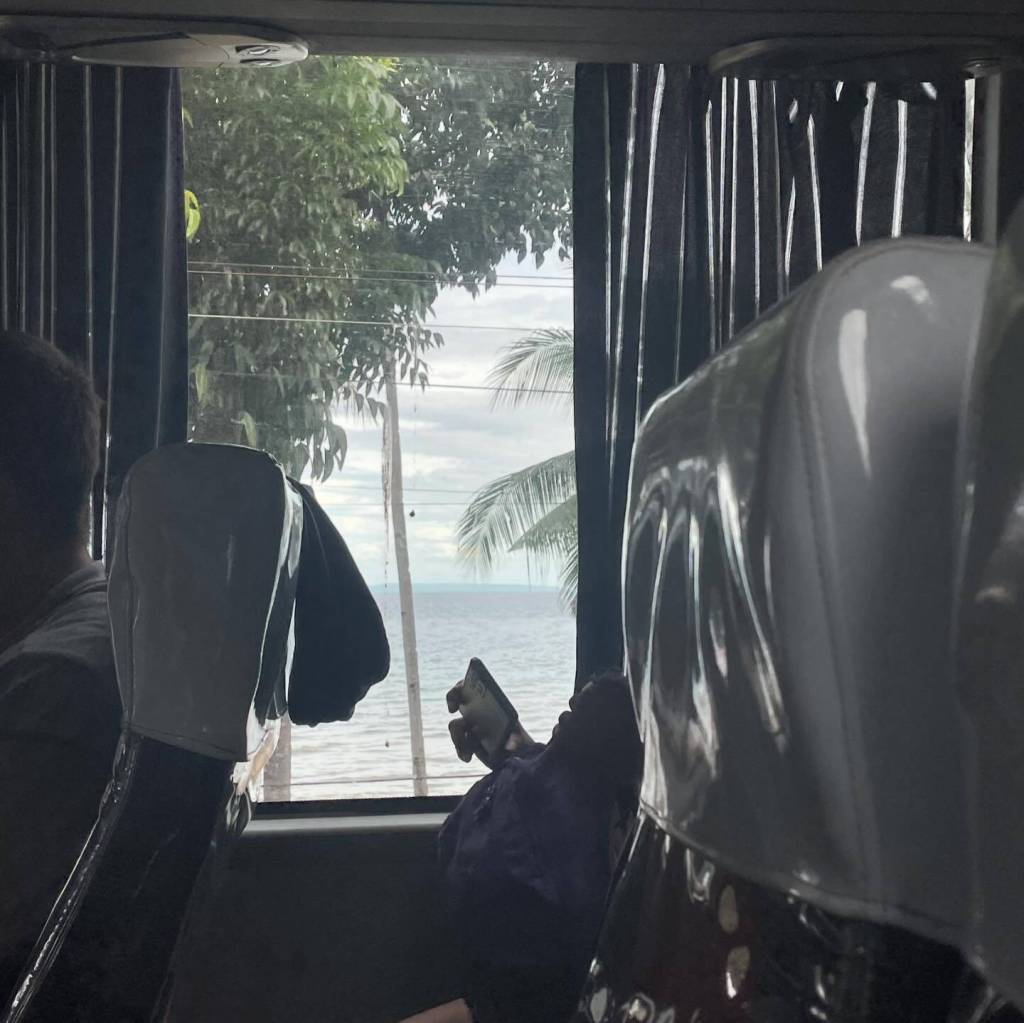
The European man is now very angry and eager to share his frustration with us other foreigners. I try my best to stay away from the bad energy, but I can’t help overhearing his complaints about how the Philippines used to be more reliable before COVID. In his opinion, the country has now become too touristy, and the locals just try to squeeze as much money as possible out of the foreigners. As he mutters on, we are ushered back into the bus, ready to continue the slow journey north. The driver continues to stop for people waiting for a ride on the side of the road, and the European man continues to reprimand him. The situation threatens to escalate when upon arrival at the pier in Puerto Maya the bus stops about 100 meters away from the ticket office and the bus attendant begins to unload our bags. The European man is now loosing it completely and starts screaming that this incredibly unfair, and that he will not be carrying his things to the boat. Expecting the driver to drop him in front of the hut, he refuses to get off.
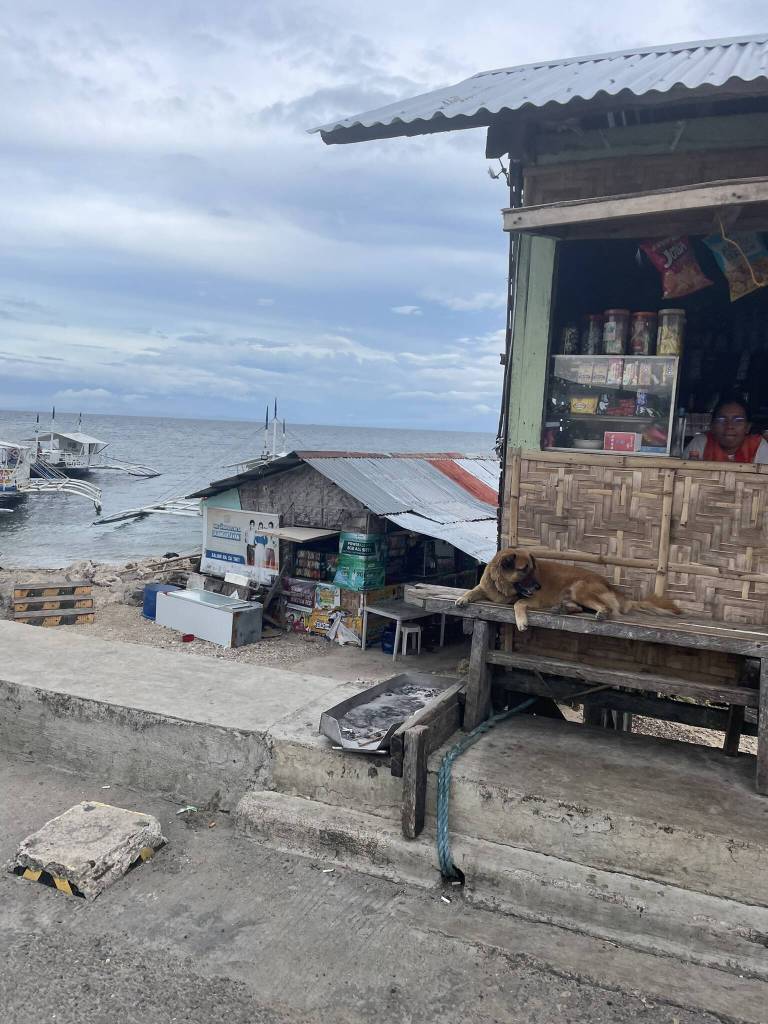

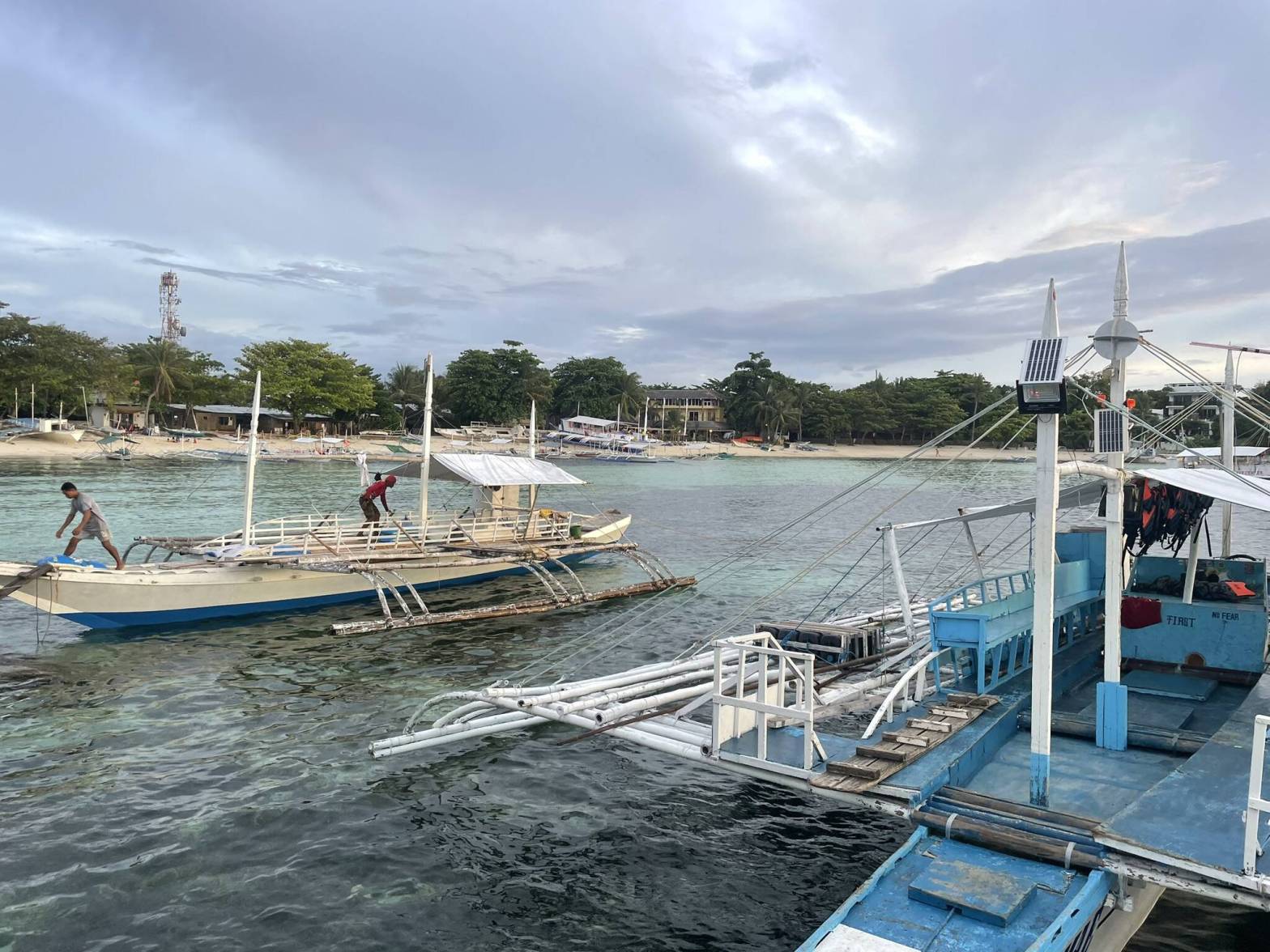
I finally move past him, collect my backpack and walk over to the ticket office to make sure to catch the next boat to Malapascua. I pay my fare including the national park fee and with the help of the friendly boat men climb onto the traditional outrigger ferry. Additionally to the people from my bus, there are a few other foreign passengers who must have arrived by private transfers from the city. And then there are some locals who seem to have done their shopping on the main island before heading over to the smaller one. An older lady brings multiple plastic bags filled with different types of fish and octopus, and another passenger carries a crate of fruits. Then the European man finally also gets on the boat, secures his dive bag, and we are ready to leave. Grateful for the loud sound of the motor and waves crashing against the boat, I don’t have to listen to his complaints any longer and can focus on the sunset view as we sail towards Malapascua.
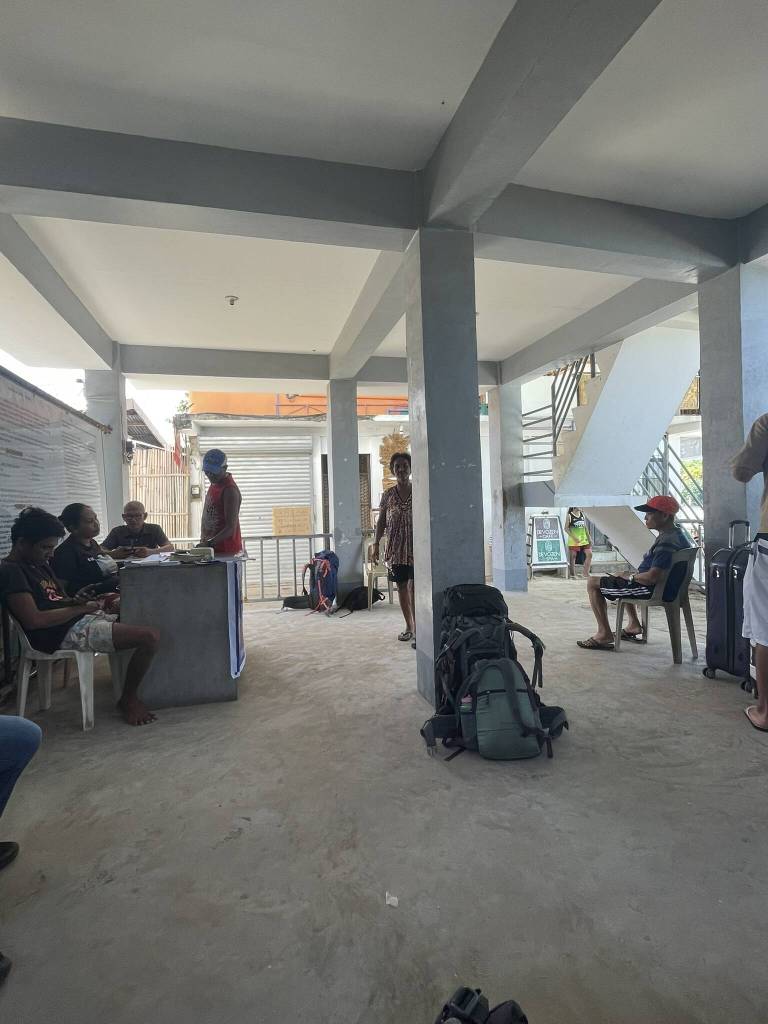

The way back from Malapascua to Cebu City is shorter, but not less eventful. I buy my ferry ticket at the improvised counter 5 minutes before the scheduled departure at 11am. I sit down on a chair to be called to board the boat. However, soon after we are informed that the 11.00 ride has been cancelled since there were not enough people. 11.30 it is. I go back to the main road to buy some mango juice and snacks and then watch the people at the port. Some are driving up and down the pier on motorbikes, carrying various goods. One boat seems to be reserved for drink deliveries, since it has crates of beer stored on its bow and rear deck. When we finally are called to board the ship, I take the opportunity to listen to the passenger next to me who’s talking about treatments for jellyfish burns. Since I am also recovering from the burns I caught during the Thresher Shark dive, I’m eager to know how I can possibly stop the itchy sensation on my ankle. The secret weapon revealed: hot water or air! Contrary to popular belief, cooling is actually making it worse.

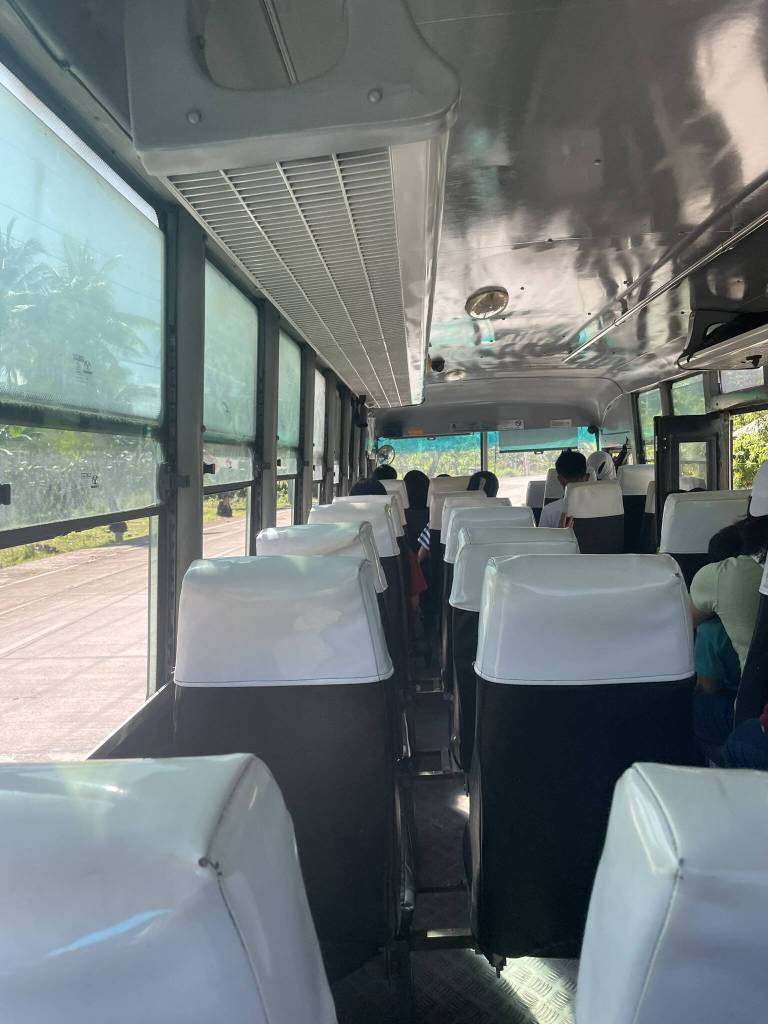
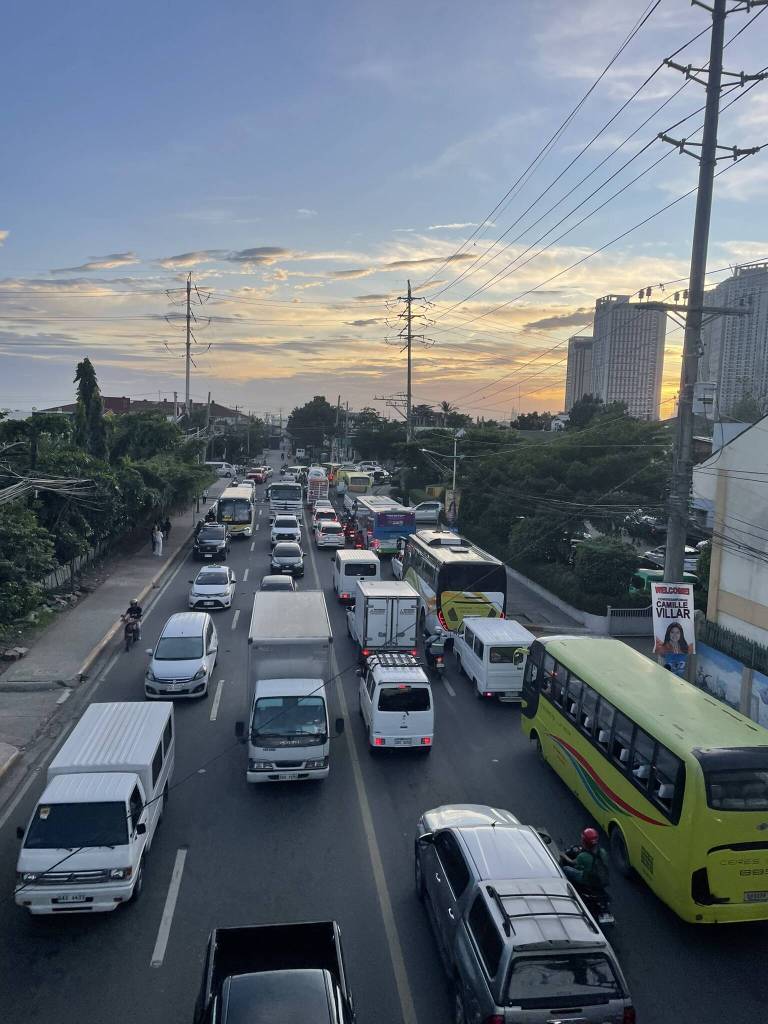
Back on the main island, I quickly walk past the touts trying to sell me overpriced tickets for private transfers and head directly to the bus terminal a bit further up the street. Just as I’m about to enter, a bus turns onto the main road. Seeing the open window, I shout at the driver to ask when the next air-con bus leaves. He says it’s scheduled in an hour, so I promptly decide to take this non air-con option and climb onto a window seat in the back. With the headwind, it feels just as refreshing while we’re driving and I save around 80 Pesos. Of course, the bus stops all the time as well to pick up and let off people on the side of the street. At one station, a few street vendors board, and I buy some dried banana chips and peanuts as a snack. The journey of 140 kilometers takes about 5 hours. As we get closer to the city center, the traffic situation worsens. At one point, we’re hardly moving, and I decide to get off and try to hail a motorbike taxi to my hotel from the roadside.

 thattravelstory