
Japan — May 2025
Koyasan was one of those places in Japan which many of my clients at the inbound travel agency I worked for were curious about. Never having visited the famous pilgrim site before, I always found it difficult to make adequate recommendations. But Wakayama prefecture is just too secluded to go there on a weekend trip. Still curious about the temple stay experience, I suggest adding Koyasan to the itinerary for my parents’ first trip to Japan. While they are not necessarily religious, nor have much to do with Buddhism, I think it would be nice for them to experience this part of Japanese culture as well. They accept the little detour from Osaka and my mom books us a room at one of the most popular temples in the mountain village.


At the beginning of our third week together in Japan, we finally board the local train from Namba Station in Osaka to Gokurakubashi station. Gaining around 900 meters in altitude till our final destination, it’s no surprise that the temperature drops more and more. But the scenic view of the small gorge leading to the secluded plateau makes up for the rather depressing misty weather. Before boarding the cable car up to Koyasan for the final leg of the journey, I double check that we can really use our IC cards for the trip. The kind station staff confirms and tells us that they are even valid for the buses in the village. By the time we change to the local bus, we can hardly see the road signs outside the window. Thankfully, the experienced driver traverses the winding road slowly and we smoothly make it to Eko-in temple.


Here, we are welcomed by the local monks who guide us through the check-in process for the “Shokubo” temple stay. Since the lodging is very different from a western hotel and even some of the rules at a traditional Japanese Ryokan don’t apply, the detailed explanations in the accommodation guidebook and time schedule are extremely helpful. Written in Japanese and English, it provides in depth information about all kinds of topics from sleeping on futon to the use of the shared bathroom, included Buddhist meals and meditation rituals. My parents and I agree that the guided afternoon meditation is not quite our thing. After settling in our room with a cup of hot green tea, we rather head out to the nearby Okunoin cemetery before dinner. There is an option to participate in a guided night tour there as well, but that seems a little too creepy to me.

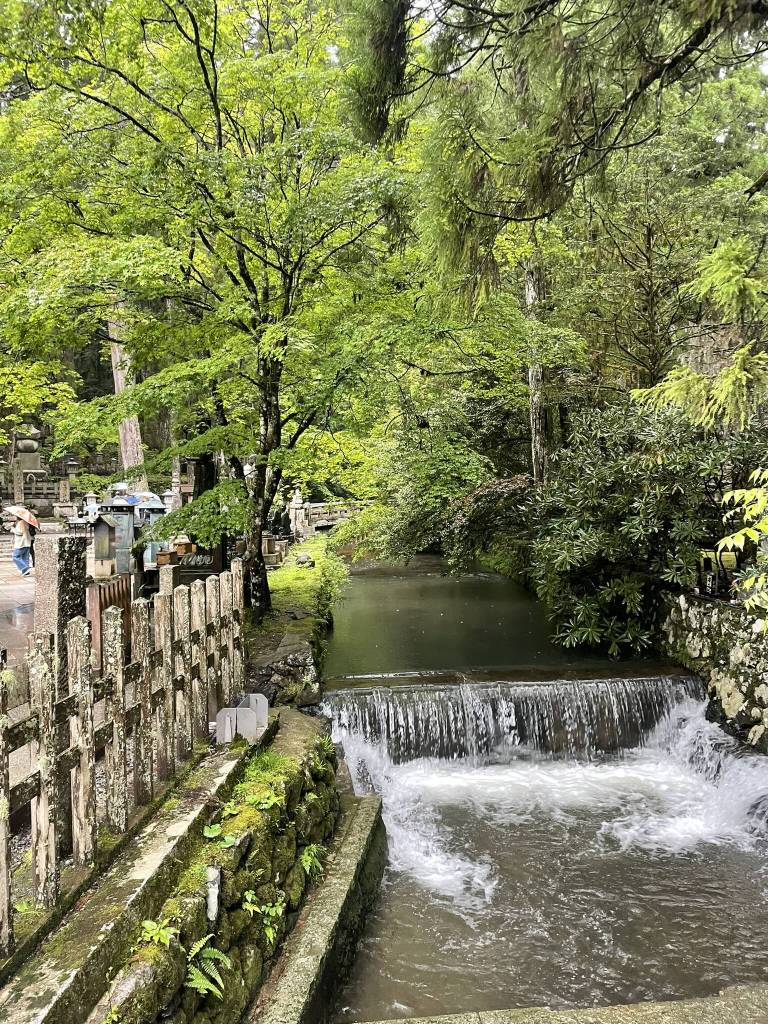
The forest path lined with high cedar trees provides just the right amount of coverage from the rain that has started to fall. But they don’t protect us from the cold. We keep going back and forth between walking quickly to stay warm and slowing down to take in the mystical atmosphere. Alongside a 2 km long stone trail to over 200’000 gravestones and monuments are nestled in thick moss. At the end of the pathway lies the mausoleum of Kobo Daishi. His followers believe that the founder of Shingon (esoteric) Buddhism is enshrined there in a state of eternal meditation. We make our way all the way to the end and return the same way we came, this time reading some of the signs that translate inscriptions to English. Many graves are those of Samurais, including those of the last Shogun of the Tokugawa clan to rule before the Meiji restoration.

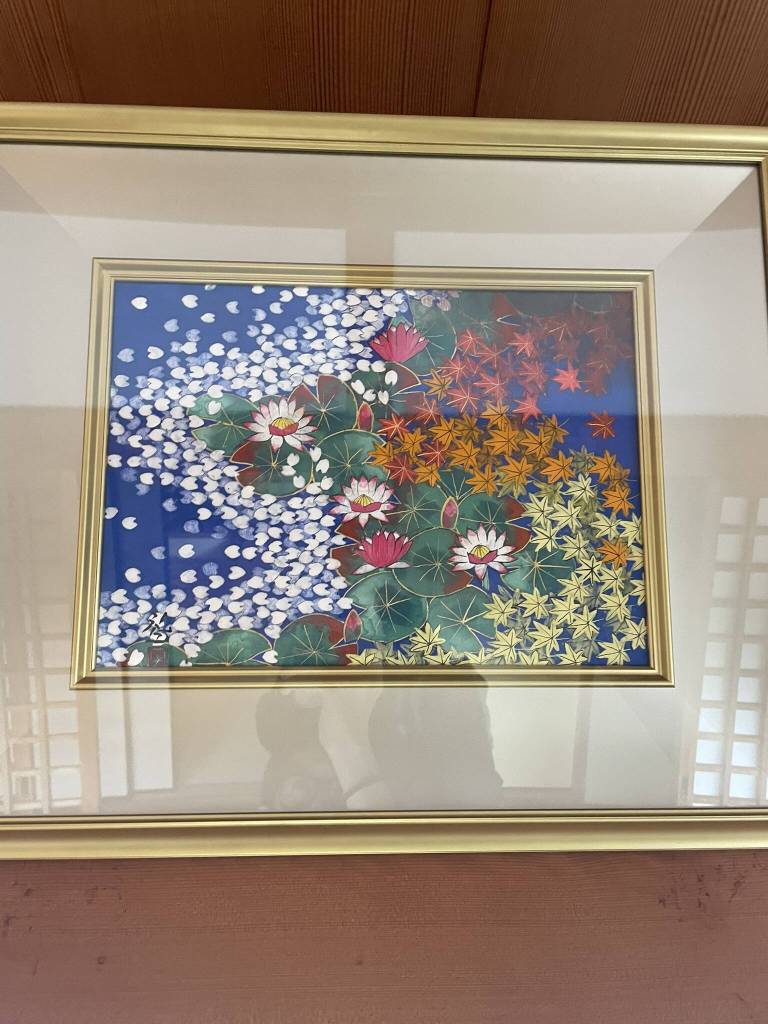
Our room at the temple is just as warm and cozy as when we left and we spend some time heating our bodies further with more green tea from the pot placed on one of the low tables. I notice the wooden sticks placed on a flat black plate and realize that those are the “Gomagi” on which we can write our prayers to be burnt at the Goma fire ritual the next morning. The three of us take some time to formulate our wishes and my dad even does his best to write it down in Japanese. He says the spirits may not understand and therefore be able to grant it if he wrote in German. Looking at my English phrase, I go for the middle way and add my name in Katakana. And just then, a monk knocks on the door, holding a stack of vermillion trays with our dinner.
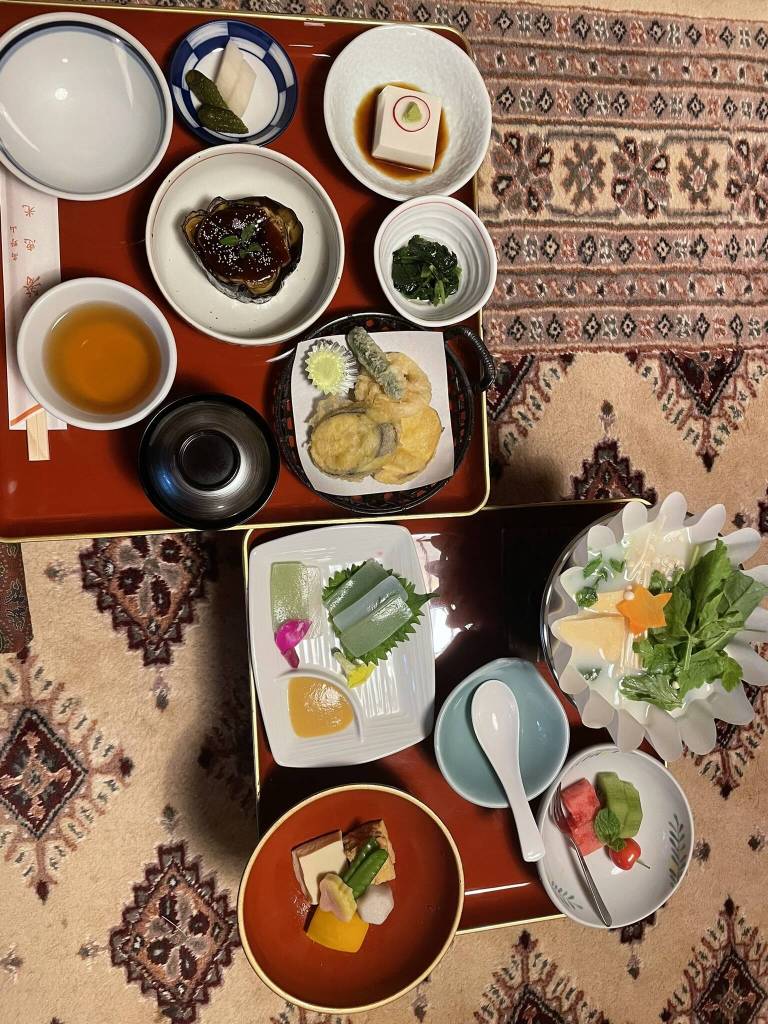
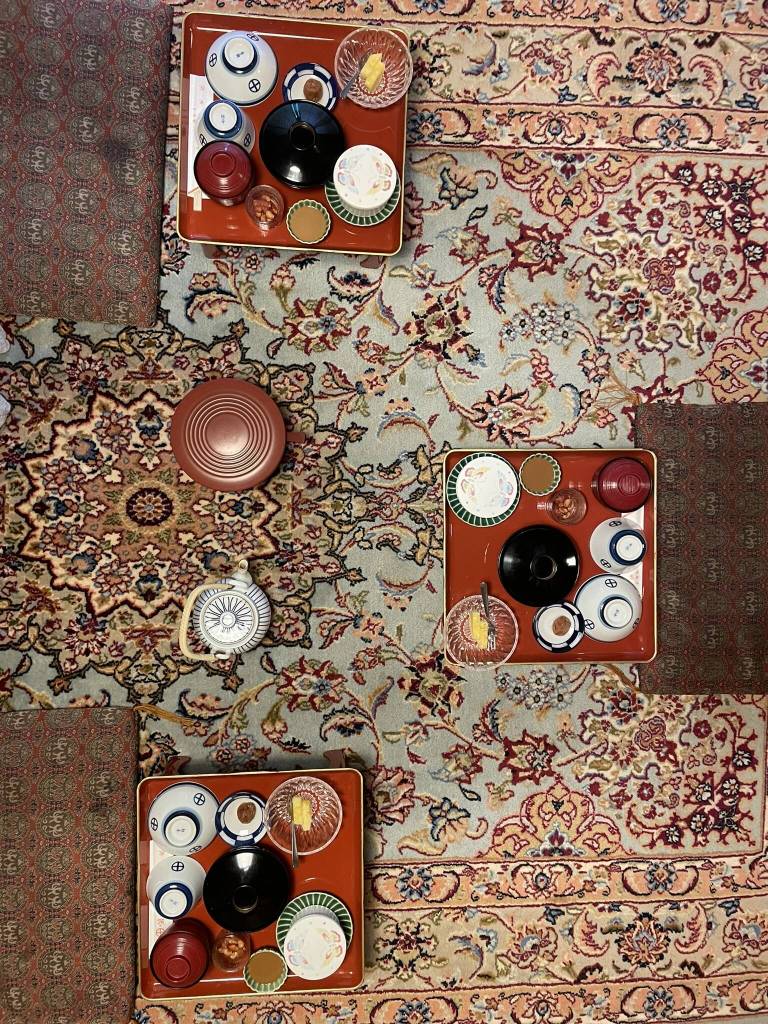
He asks permission to set them down in one of the tatami rooms and neatly arranges the 6 trays in a square. When he’s done the young man passes the large rice bowl to my dad and leaves the room just as quietly as he entered it. We take a moment to read the list of dishes printed on a sheet of paper in English and try to identify them on the trays. All meals at the temple are plant based, following the traditional Buddhist diet. There is a variety of tofu dishes, steamed, boiled and grilled, with different sauces and condiments adding a multitude of flavours. But my personal favourite is the grilled eggplant with miso glaze. While my mom is a little more hesitant to taste the unfamiliar meal, my dad and I dig in and finish all the plates including pickles, miso soup and rice.
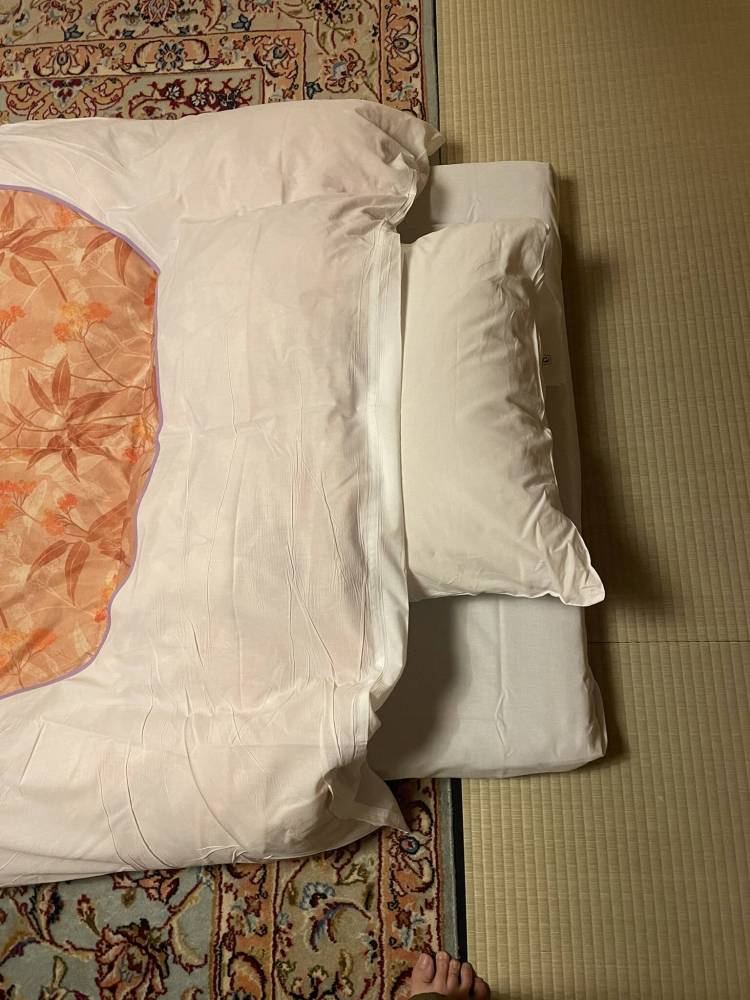
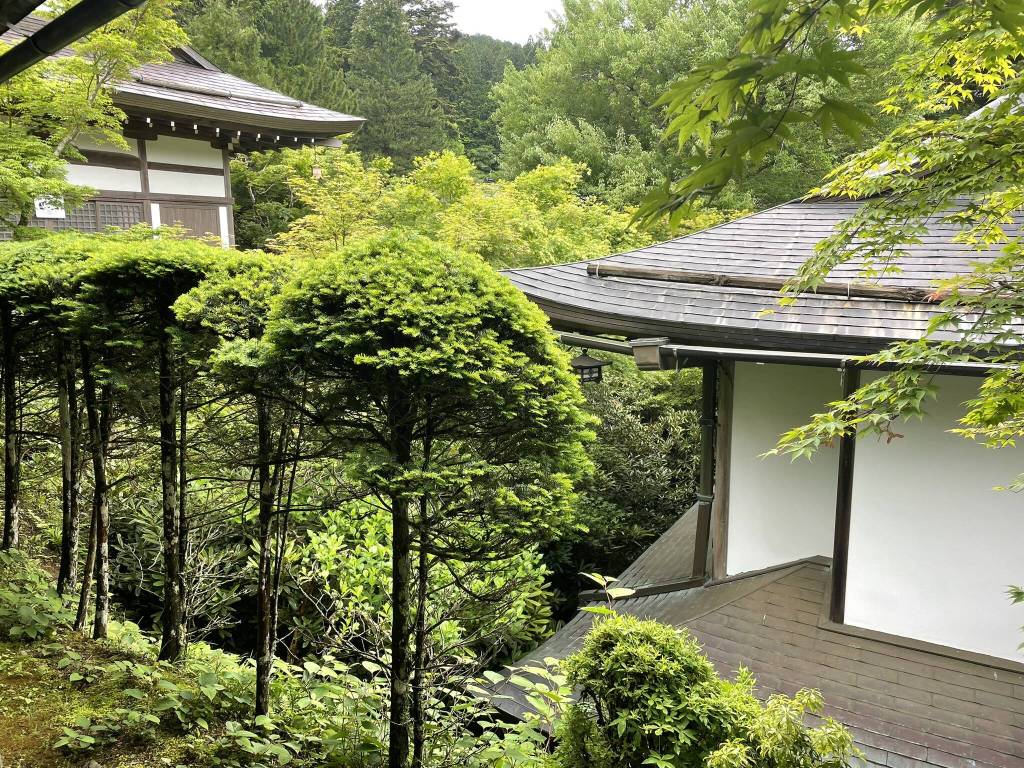
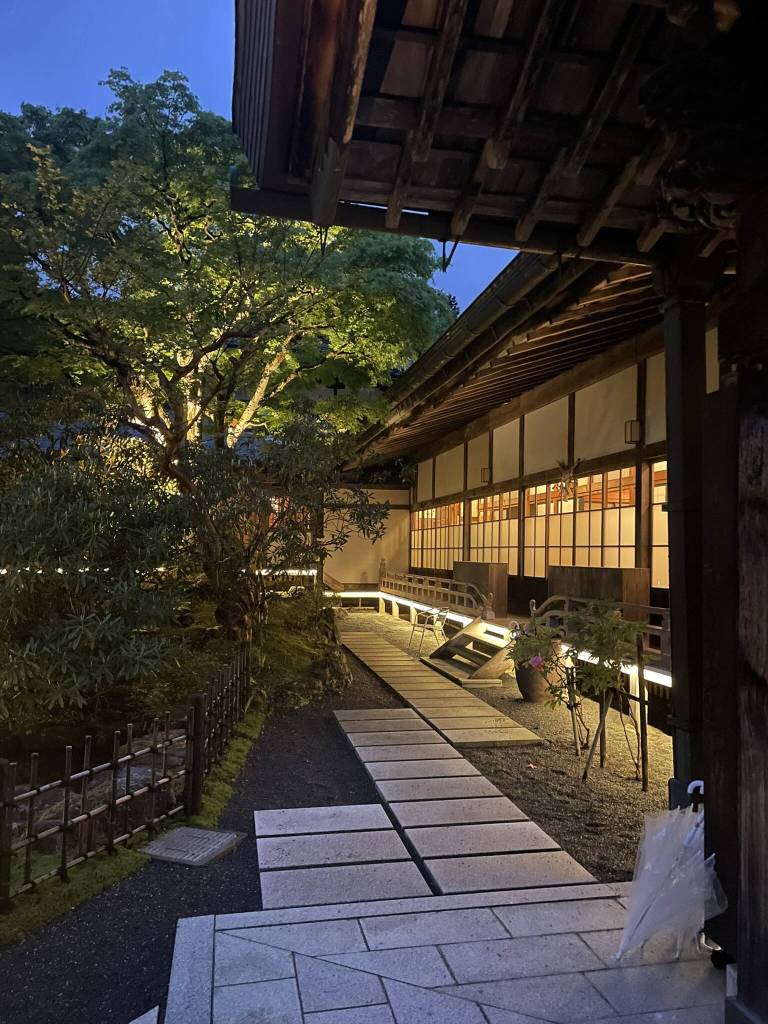
After dinner, the temple quiets down, with many guests gone on the night tour of the cemetery. The monks clear the trays and set up the futons in the spacious guest rooms before retreating to their own sleeping quarters. My parents and I drop off our Gomagi at the temple office and go on a short walk around town. When we get back, we take advantage of the empty shared baths. Especially in cold weather, a hot bath is the best way to warm your body for a good night’s sleep. We go to bed early, after all, we need to wake up in time for the morning fire ritual starting at 07:30. I close the shoji screens separating the 2 tatami areas in our large room and snuggle onto my cozy futon, happy about the semi-private room. In the morning, I wake up refreshed, with the dim light of the sun shining through the lush green trees in the garden.
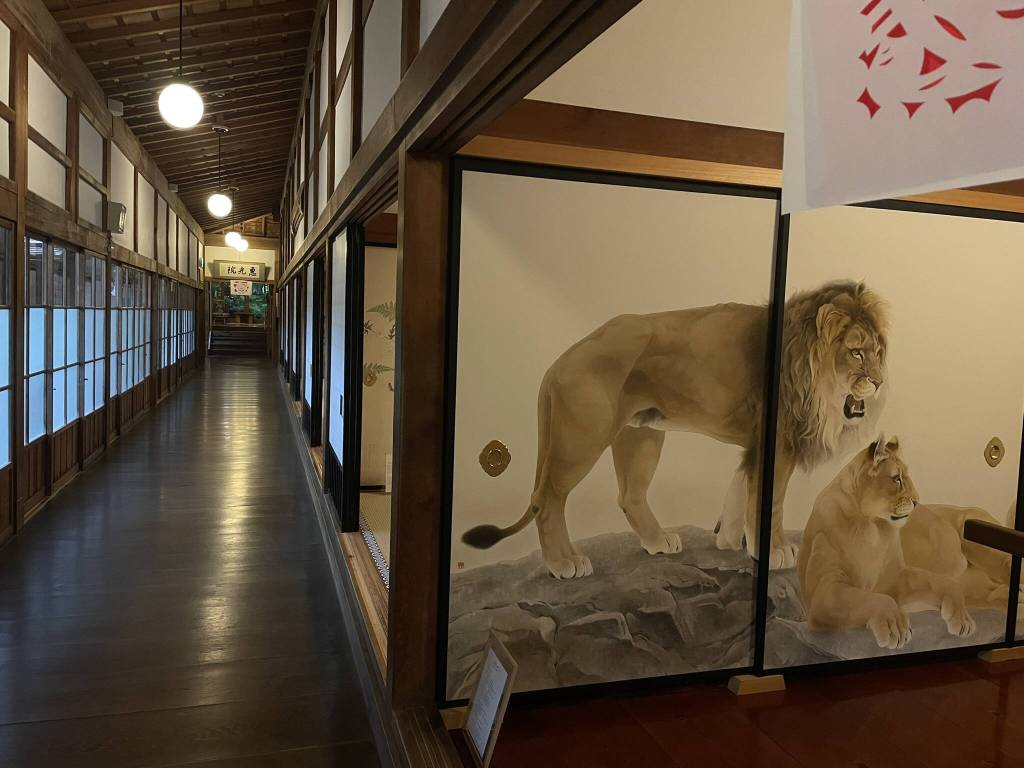
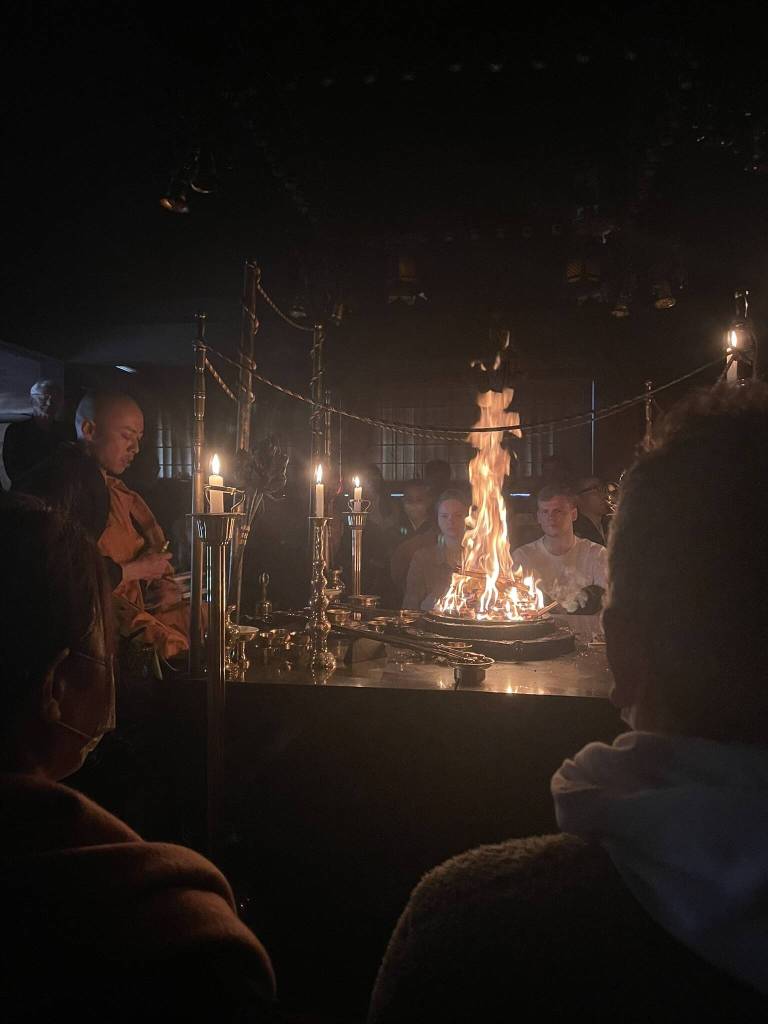
I get dressed quickly, sit down in the small balcony area and journal. When I hear quiet shuffling in my parent’s room, I open the shoji screen, and we all head out to the front of the temple together. Soon enough the priest arrives from the daily morning service with all the guests who joined, and we head over to the separate small building where the fire ritual will take place. A young monk guides us all to our seats around the altar in the middle of the room. My dad and I sit on the floor in the second row, while my mom opts for the wooden bench at the very back. Everyone is silent in anticipation, watching the priest sit down in front of the altar, preparing himself and the various sacred items used during the purification ritual. At the sound of the gong hit by another monk in the back of the room, the two men begin to receite mantras, sutras and invocations to call upon the wisdom deity. The chanting and sound of the taiko drum sets the spiritual tone and clears the mind.
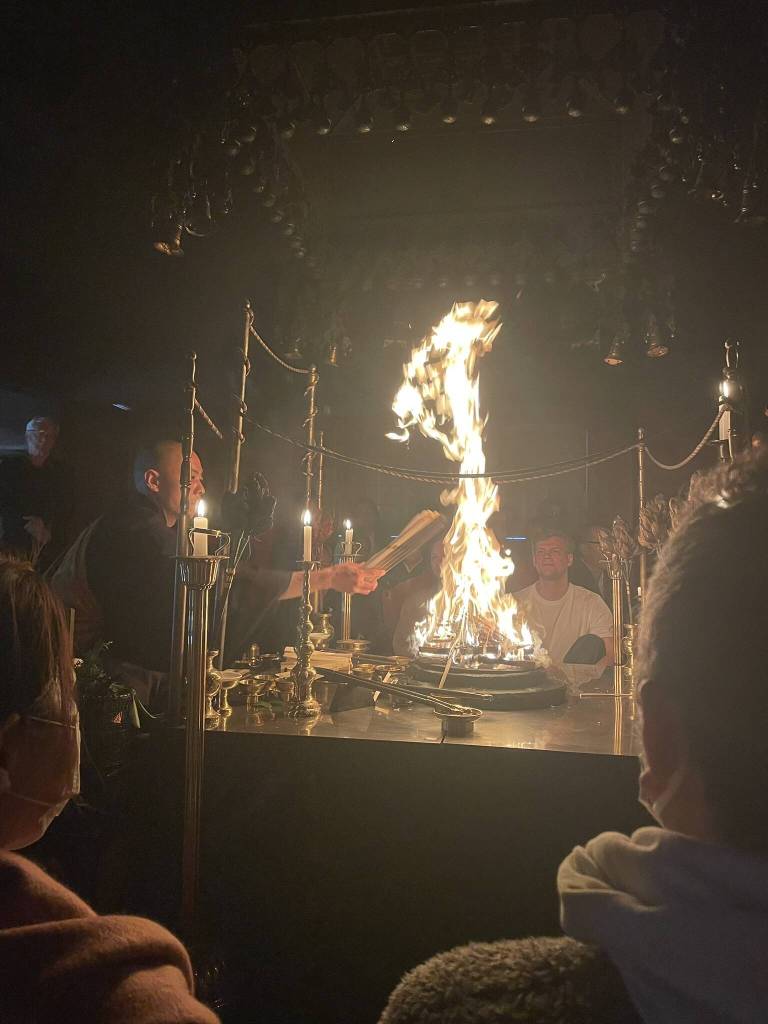
After a while, the priest starts to carefully arrange the Gomagi sticks with our wishes in the fire pit. Then, the fire is lit with sacred kindling and the wooden sticks slowly burn away negative Karma, obstacles and desires to overcome. As the fire symbolizing purification continues to burn, the priest makes more offerings in the form of rice, seeds, oil and incense accompanied by specific mudras (hand gestures. All the while the chanting and drumming continue to fill the room with strong energy. At the end of the ritual, a period of silent prayers follows and all participants are invited to purify themselves with the smoke of the sacred fire before bowing in front of the 3 altars dedicated to different deities. Then, still in a slight trance, we return to our room where the breakfast trays are already waiting for us. Another plant based meal fills our stomachs for a last walk on the temple grounds and through the ancient town of Koyasan before returning to bustling Osaka.
 thattravelstory