Asia – 2026
Visa
From 2025 on, citizens of around 50 countries can travel to China visa-free for 30 days (full list here). deadline is currently set to 31 Dec 2026, better to double check, might change with short notice.
Entry procedure in that case: upon arrival immigration officers stamp your passport. Leave the country within the 30th day of your stay. Even a 1-day trip to neighbouring countries incl. Hong Kong or Macau is enough for renewal.

Internet & Apps
Many websites and apps we use around the world are not accessible in China at all. If you do want to use Google, Instagram etc. during your trip, it’s wise to install a VPN in advance. *Next time I’d get a local SIM with a Chinese phone number.
Everything is online here. China-based apps for communication, payment and bookings: WeChat, Alipay, Trip.com (for hotels, trains & activities). Amap is the local map for navigation, you can also use it to call taxis.
Seasons
In general there are 4 seasons, but the country is huge and there are many different climate zones.
More importantly than the weather I’d recommend to time your trip right depending on Chinese holiday seasons. Eg. during Lunar New Year transportation and main attractions are crowded and prices increase a lot. Other main dates are the “Labor Day” in early May and “Golden Week” in early October.
Accommodation
There is a wide range of options available. Hostels are available for as little as 2 Euros per night and for hotels on the other end, the sky is the limit.
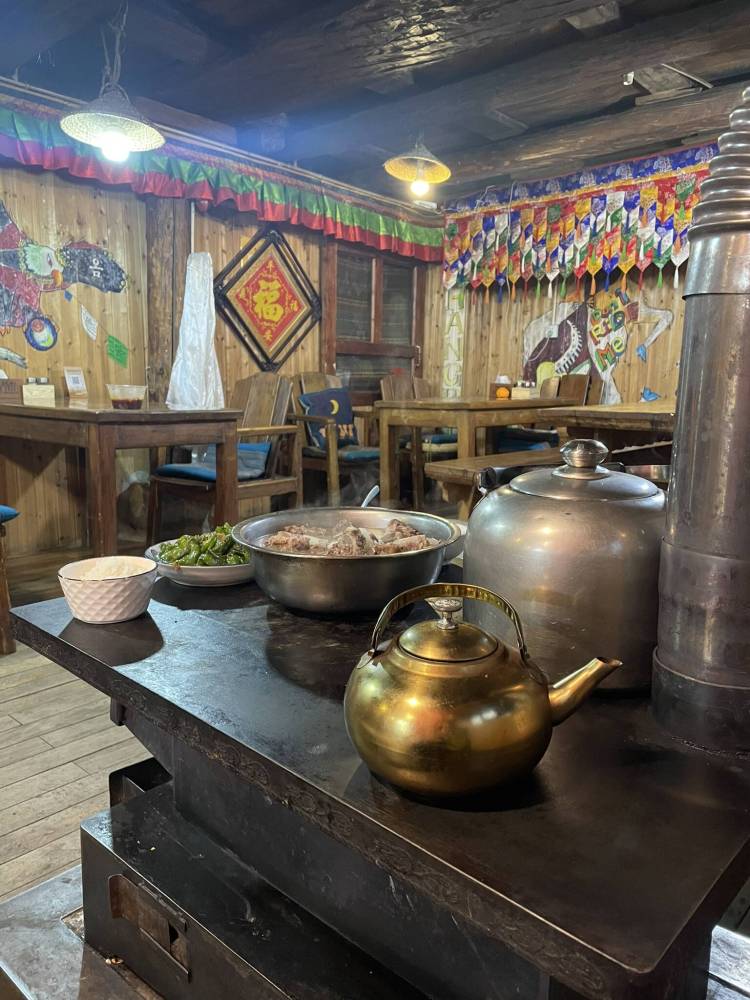
In the Yunnan area, I’d highly recommend to go for locally owned homestay-style places if you’re interested in the native cultures.
Be aware that you get what you pay for and (especially in rural areas) squat toilets are the norm.
Places I liked
Since I’m interested in Tibetan culture, Shangri-La was definitely a highlight for me. I liked Yunnan in general, be it Dali, Kunming, Lijiang or the Tiger Leaping Gorge.
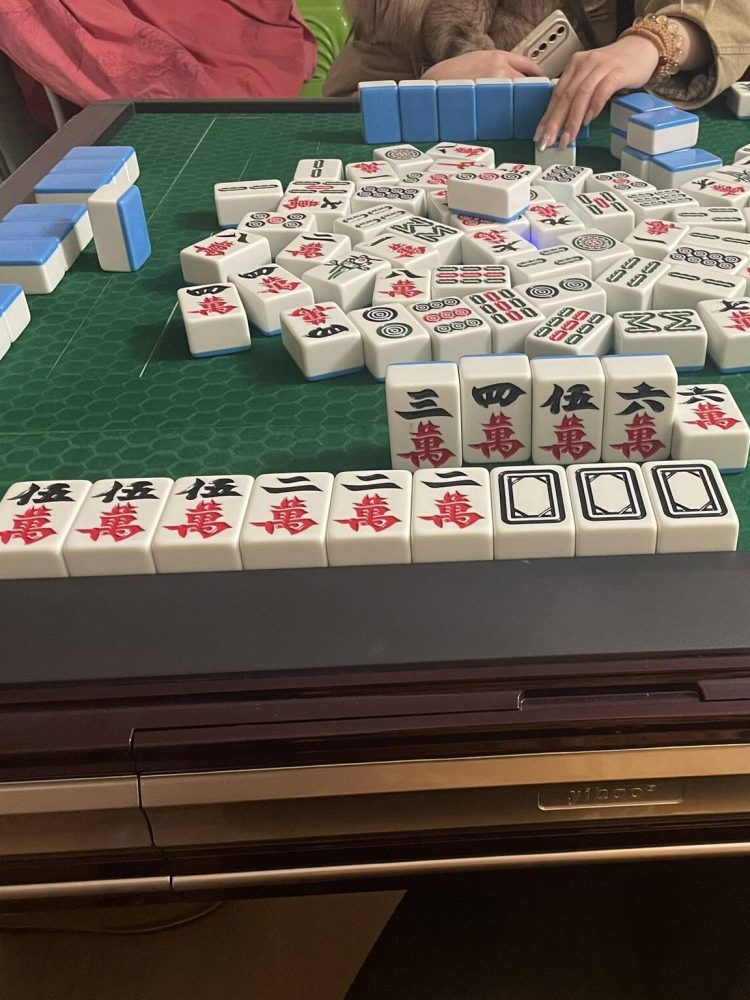
Another city I loved was Chengdu: Pandas, Mahjong/Tea houses, lovely people and bustling nightlife.
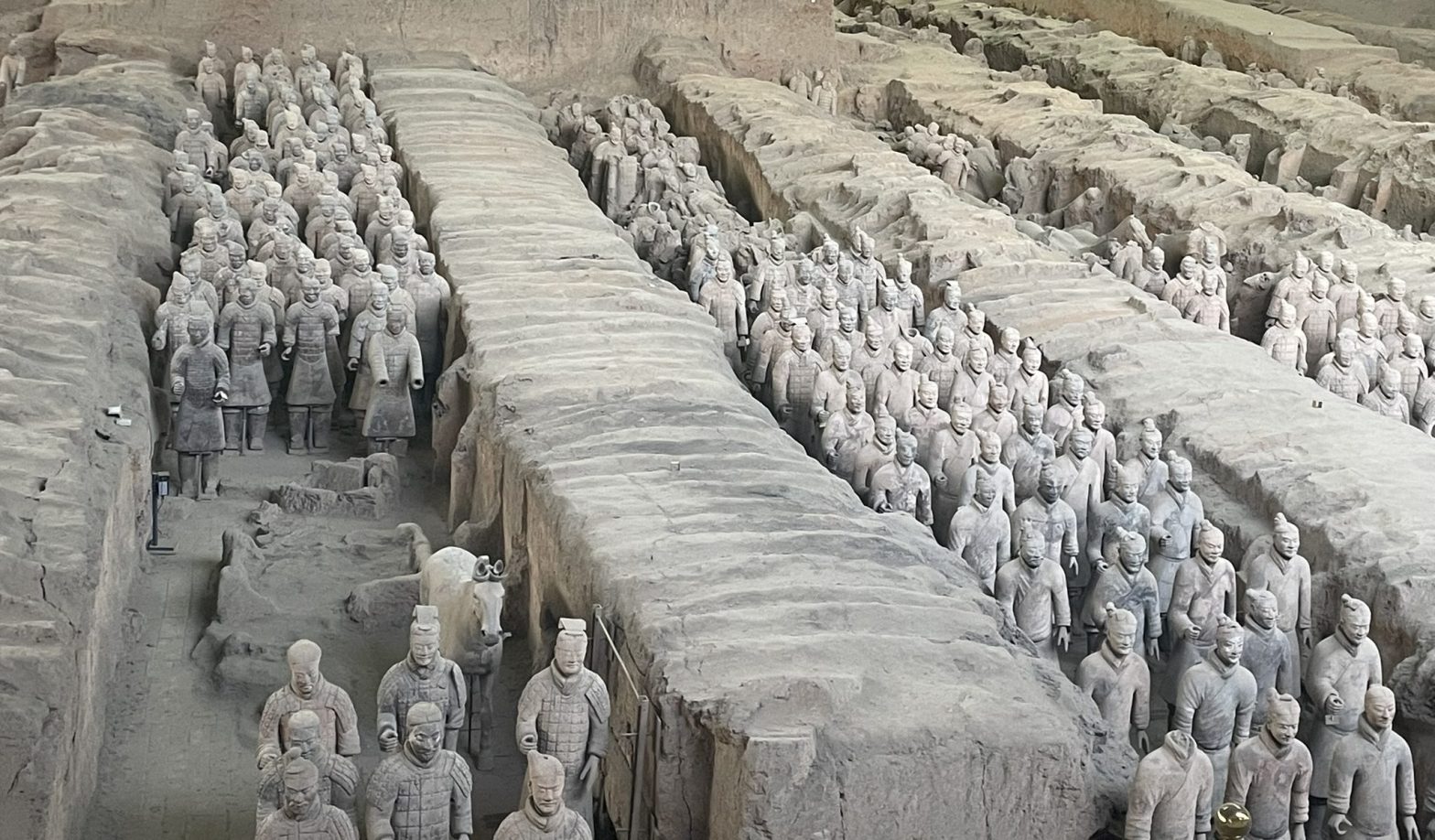
Xi’an convinced me with the Muslim Quarter. The city wall (& parks) was nice too. The terracotta warrior museum was just too crowded.

Food
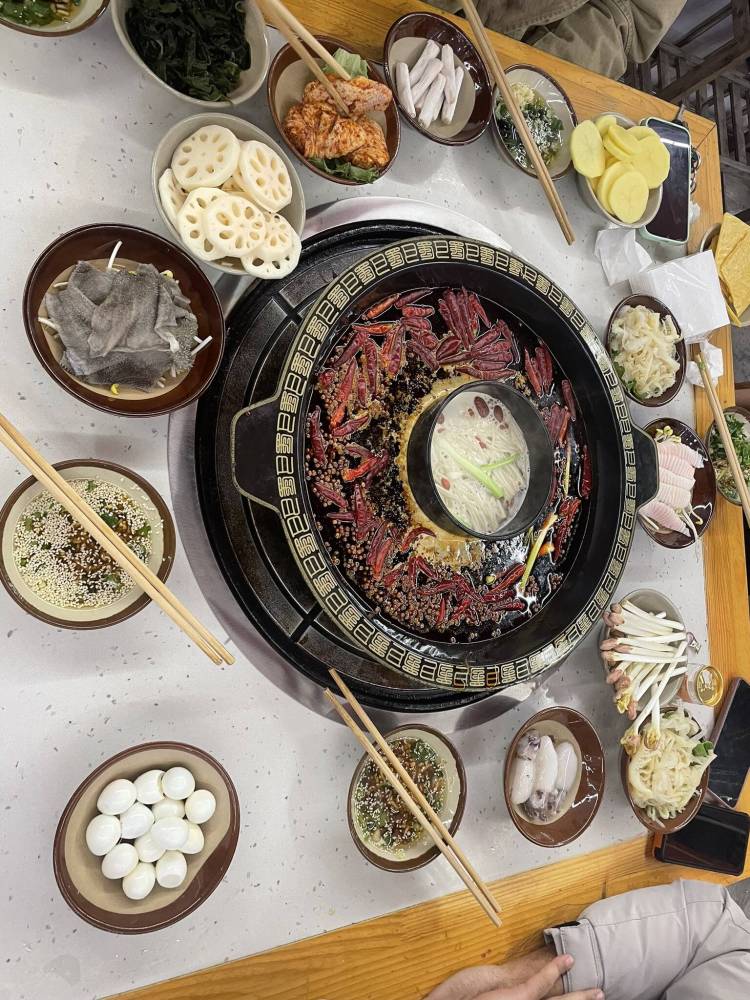
Incredibly diverse and surprisingly spicy. I did know that Sichuan food in particular is famous for the chili, but to experience it first hand was something else.
Must try: Yunnan style Crossing-the-Bridge Noodles & mushrooms. Buddhist food at a temple. Sichuan Hot Pot. Xi’an Biang biang noodles, Liangpi & flatbread. Dumplings & Baos. Tea in all variations (eg. at the Zhenqing Temple in Kunming)
Places I’d like to go:
- Tibet
- Guilin
- Abuji Cuo Trek
- The Great Wall
How to get around:
- For long distances use high-speed trains to save time. If you rather want to save money, do check bus options and slow/night trains.
- Be careful to arrive at train stations early. There are multiple security checks and the gates usually close 5 minutes before departure time.
- Within cities, local busses and metros are easy to navigate with Amap. Keep some cash in case Alipay doesn’t work.
- Hail taxis using Amap mini-program. The prices are quite affordable.
 thattravelstory