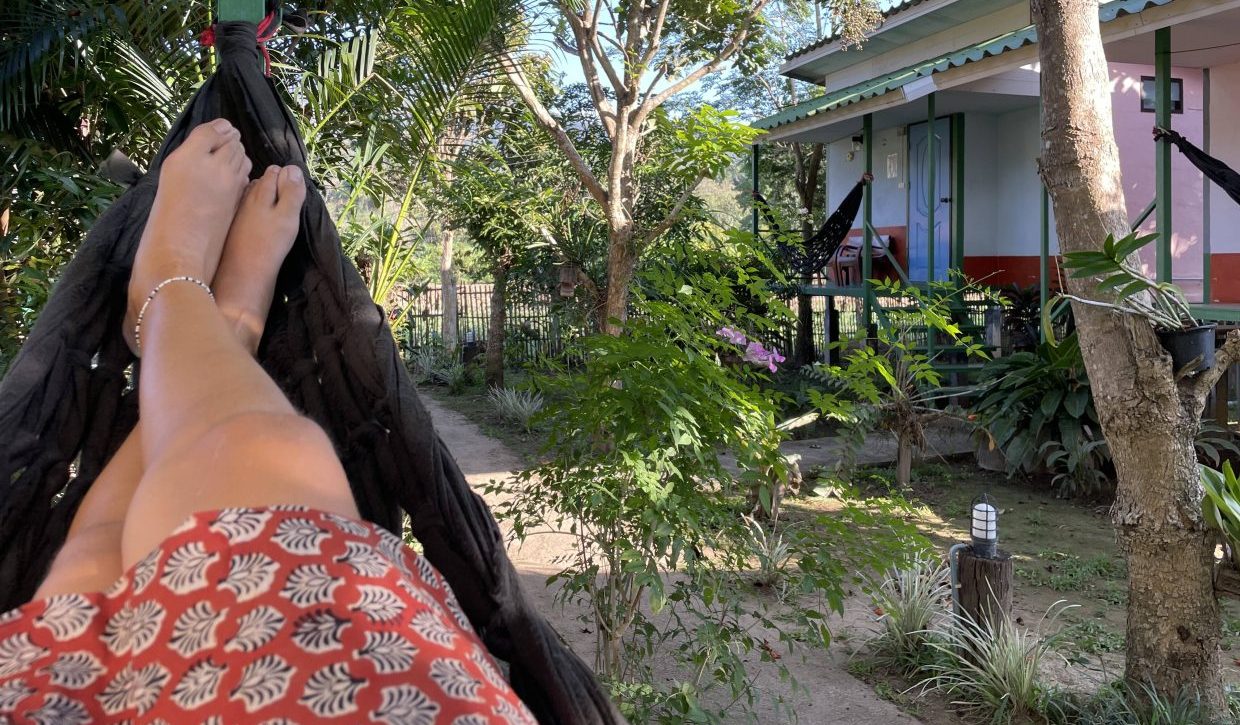
worldwide – since 1960s?
There are some places you encounter around the world when travelling, that are like a magnet for backpackers. People flock there like it’s a pilgrimage and personally, I think how travellers relate to them divides us into 2 groups. But let’s start at the beginning, the first ever place I have visited that in hindsight clearly falls into this category is Samaipata in Bolivia. The fact that it was recommended to me by some Argentinian hippies is the first hint. The second one is the history of wealthy Bolivian’s coming here for a countryside retreat. They built vacation homes, which lead to locals setting up restaurants and other tourist infrastructure, which then attracted foreigners on extended trips looking for a peaceful place with pleasant weather to escape the crowded cities. They would write about it in travel books which exposed the existance of these quiet villages to the world.
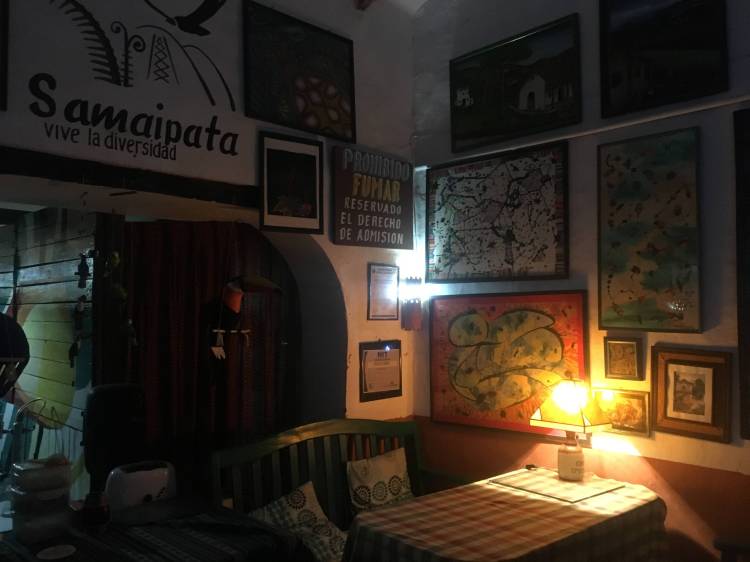
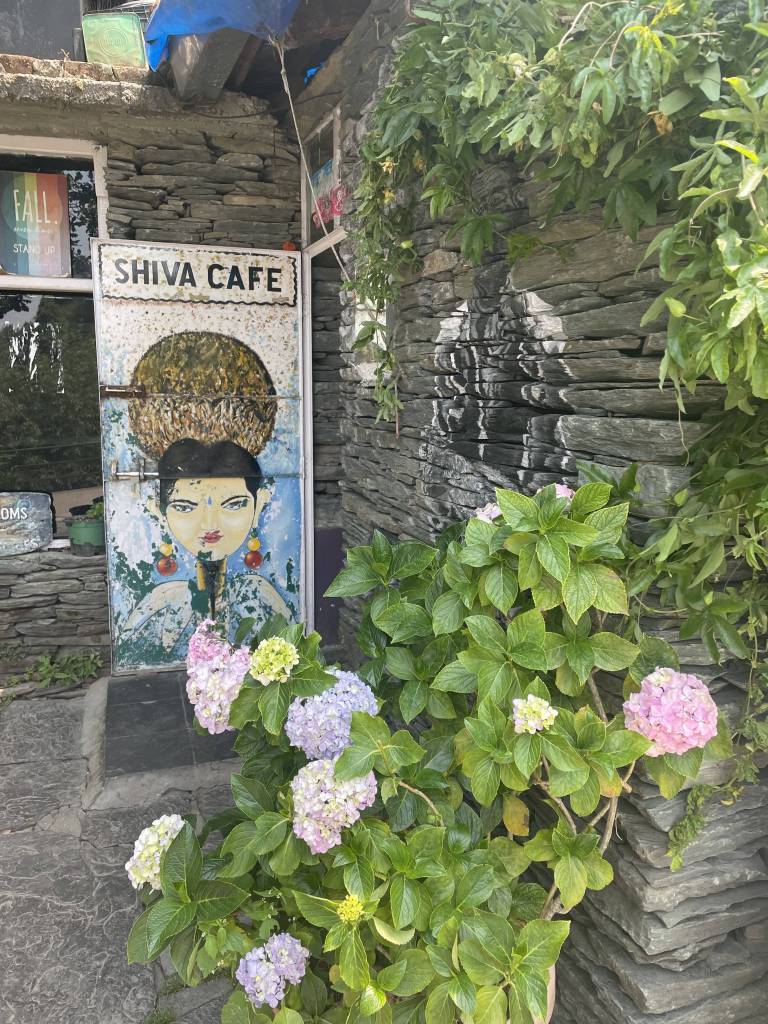
This story matches the history of many others of those backpacker hubs around the world: the Bhagsu/McLeodgi/Daramkot areas of Dharamshala, Pai in Thailand, Don Det in Laos, Pokhara in Nepal and so on. Word of mouth is then how these places are shared between felllow travellers looking for the next backpacker retreat. The crowd is usually similar too: in the laid back cafés decorated with dreamcatchers and large murals you always find a middle-aged white man on his own, some hippies and burnt out western women, a group of young Israelis, middle-class locals on vacation and nowadays, plenty of digital nomads from all over the world. To me, especially the difference between how domestic tourists and foreigners co-exist in these places is fascinating.
The middle-class locals are there for a vacation or weekend trip, sporting their best outfits, taking lots of pictures for social media at the main sights and partying carefree among themselves. Meanwhile the foreign backpackers are rotating the same 3 outfits and especially among the hippies it’s not uncommon to see people walking around barefeet. I mentioned before that the travellers visiting can be divided into 2 groups by how they relate to those places. The main differences are in the duration of their stay and the activities they choose to do there. Group 1 often consists of hippies and hippie-leaning digital nomads. It’s common to hear them staying in Pai or Pokhara for multiple weeks or even months. When asked what they did there for that long, the answer always includes some creative activity (joining a music collective, creating art of some kind, etc.), a yoga class and never visiting the main sights. What goes unsaid are the impressive amounts of drugs consumed and motorbike accidents they were involved in.

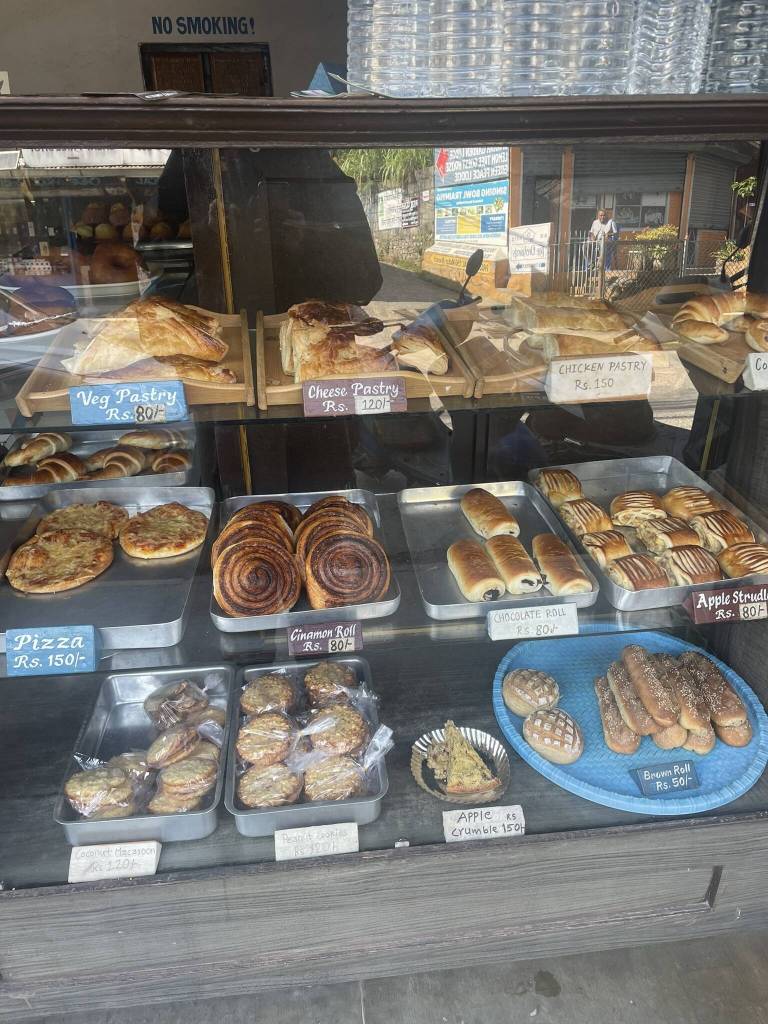
Group 2 represents the other long- & mid-term travellers on the quest to find the “hidden gems” and possibly some variety regarding food. AKA me in Samaipata. The duration of the stay is usually much shorter, ranging from a few nights to a week. Activities conducted mostly include joining a local cooking class, making their own jewellery, brunch at one of the countless bakeries, followed by journaling at a fancy coffeeshop, day trips to some waterfall/temple, watching the sunset at the 1 famous spot in town & dinner at a vegan restaurant or a local night market. (Nights out with heavy drinking & involvment in scooter accidents are common with this group too). While many of the places mentioned before are not really “hidden gems” anymore, they still always require a little bit of travelling away from the main routes to get there. After all, the remote location is what drew the first visitors there.
So the last city connecting the “hippie town” to the rest of the country often is a toned down version of the above place, where group 2 travellers may spend a little more time, and group 1 a little less. Think Chiang Mai or Kathmandu for example with more culturally interesting activities than Pai and Pokhara. Places that fall into a similar category are Luang Prabang, the Bali area, Hoi An, Siem Reap, etc.. Thanks to the ever developing infrastructure, these cities but still relatively low cost of living popular among digital nomads with remote jobs that pay in western currencies. Though the travellers more often than not exist in a parallel-universe with the people local to the town, we love to act as if we’re also living here after 3 days and know all the secret spots (eg. using a kinda hidden shortcut in Thamel that another backpacker told me about).
However, if we’re fully honest, our stay in these places mostly just causes gentrification. Rent and prices for goods rise (for tourists and locals alike), more mainstream tourists visit, which means the amount of un-informed travellers increases by default. If they behave disrespectfully towards local customs, this can cause further division between foreigners and locals. And finally: traffic increases even more. Sometimes the larger amount of tourists may mean improvement of infrastructure like new roads and railways that local profit from as well. But often those new modes of transportation come at tourist prices, so they are only affordable for more wealthy clientele. As you can see, I have mixed feelings towards these backpacker hubs. While I enjoy their sweet sides every now and then, the main point in travelling for me is to experience new cultures and way of living. And to me, homestays in small villages are a way more effective way to do that.
 thattravelstory
One thought on “Thoughts on “Hippie Places””