Nepal — November 2025
The Annapurna Circuit Trek has been on my mind for a couple of years. But for a long time, I didn’t think I was “ready” and “fit” enough. Even when I was brainstorming places to visit in Asia after quitting my job in Japan, I wasn’t sure if I would really be able to commit to the 2-week hike in the Himalayas. What finally pushed me to embark on this journey, was a small mental breakdown and travel fatigue hitting in Vietnam. With only 10 days between booking my flight to Kathmandu and starting the trek, I was definitely not the most prepared person on the trail. But once I arrived at the lovely Planet Nomad Hostel in Thamel, I met a lot of people who had similar experiences and plans, which gave me the confidence boost to get started. And in the end, it all worked out, and I had the best time while trekking. So let me tell you how I did it:

The Route & ACA Permit
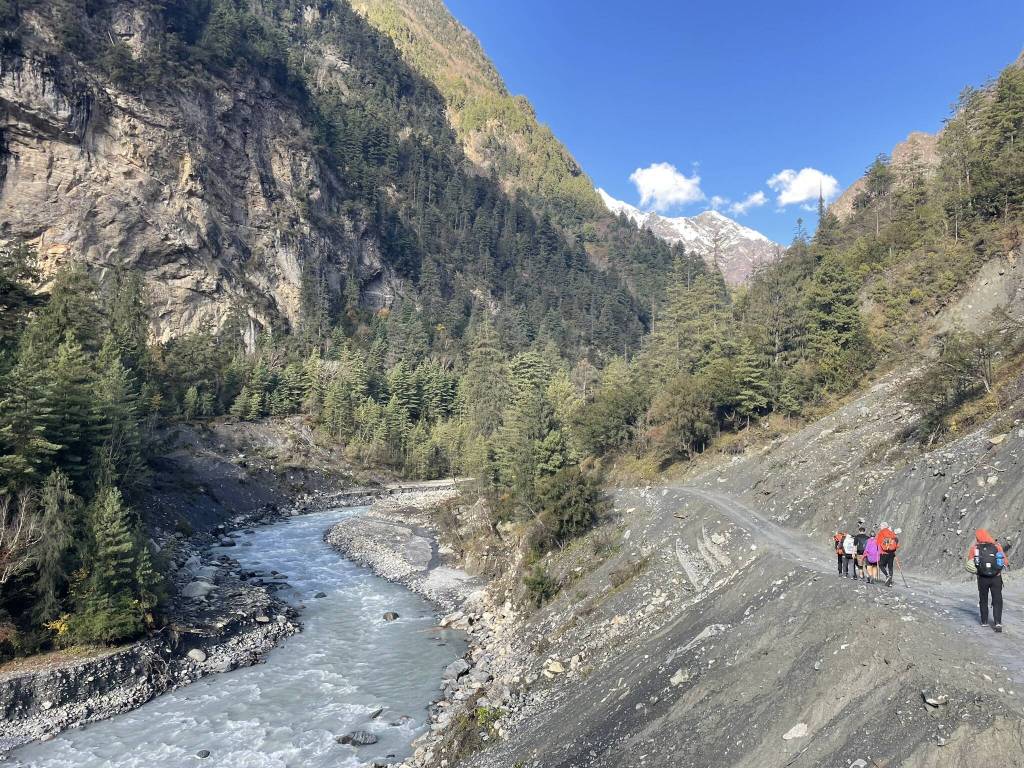
I started the planning process by determining the route. Given the visa restriction (I got the 30 days on arrival one), and my wish to also explore some other parts of Nepal, I ended up with a 16-day window for trekking. After consulting the helpful German blog posts by Der Eskapist and the lovely guys at Discover Altitude Treks in Kathmandu, I decided to start hiking around Danakyu and end in Ghandruk. This would mean 11 hiking days, 3 travel days (KTM to Danakyu by bus & jeep, Marpha to Tatopani and Ghandruk to Pokhara by bus) and 2 rest days (in Manang & Tatopani). With the route and departure date fixed, the trek suddenly became much more real. But before I was able to enter the Annapurna Conservation Area, I had to get the respective permit. My friend Eva, whom I owe a huge thank you for all the insightful information she shared about Nepal, confirmed that I was able to get the ACAP from the National Tourism Bureau without the need of a guide. This worked out perfectly, and I later found out that you can even apply for it online yourself.
The Equipment I bought
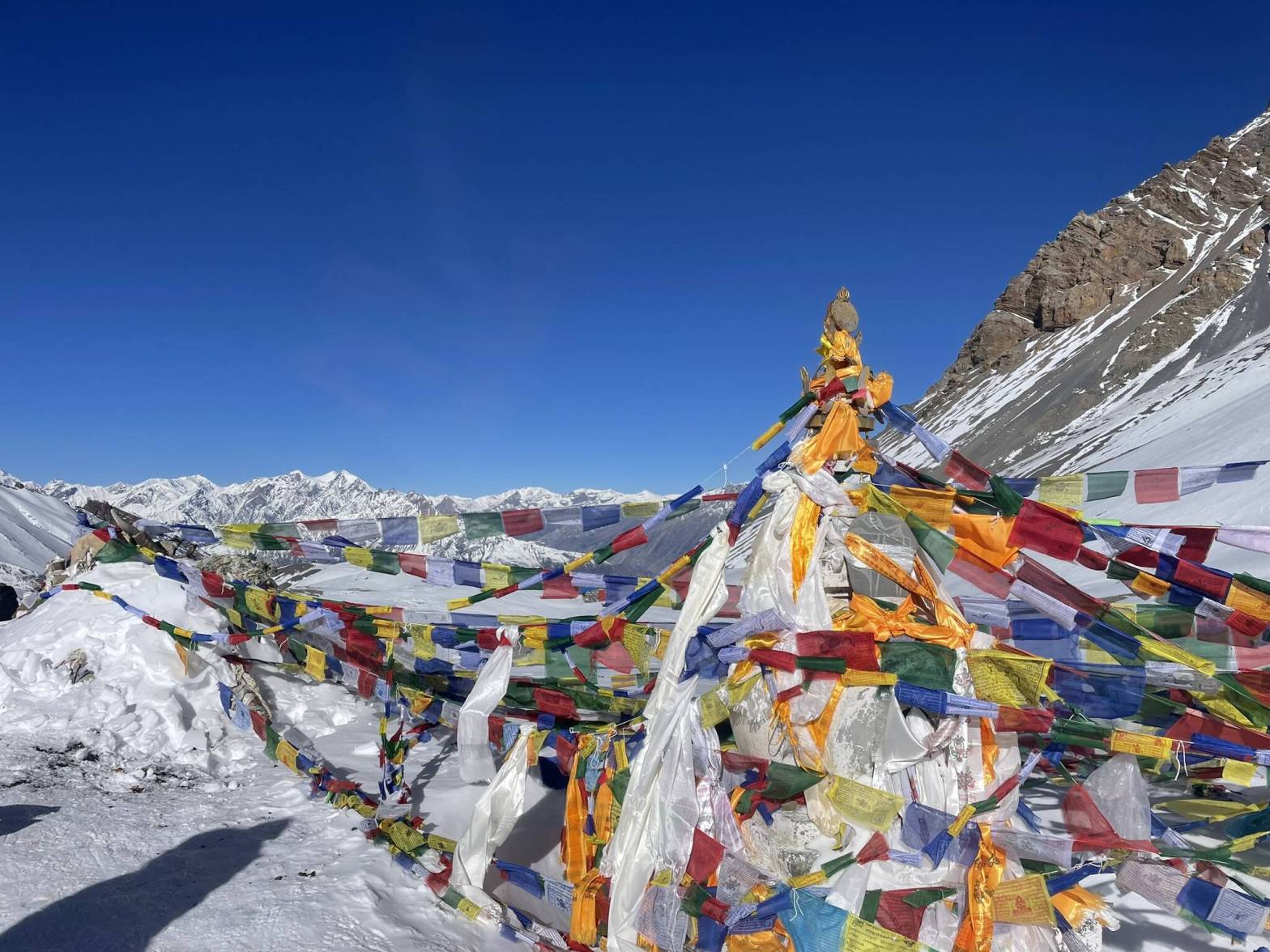
Now, it was time to figure out what equipment I was missing. Again, Kumar and Santosh at Discover Altitude Treks were extremely helpful. They honestly told me what I absolutely required (spikes/crampons), and what I could do without (a thick/heavy sleeping bag). With the following list, I went on the quest to find the best offers at the countless trekking shops in Thamel: spikes, pole, down jacket (light), water purification tabs, sleeping bag liner (thermal). The latter was recommended by Santosh for sanitary reasons (up in the higher regions, tea houses don’t wash blankets very often), but I did appreciate the heat-tech function more than once! The Aquatabs saved us a lot of money, since bottled water/hot water is one of the things that rapidly increases in price the higher you go. I only used the spikes to cross Thorung La pass, but they were absolutely mandatory with the November snow. The down jacket and pole I actually used more than I expected, and I was glad I got new ones and didn’t rent. Both, I was able to return to the seller along with the spikes and got a t-shirt and souvenirs in exchange.

What I packed, what I missed & how much I paid
Other things I packed in my 38 liter backpack (ca. 8kg): 1 long base layer pants and shirt, 3 short sleeve shirts (2 for hiking, 1 for sleeping), 1 shorts, 2 long pants, 1 sweater, 1 wind breaker jacket, 4 underwear & long socks, 1 buff, 1 scarf, trekking shoes, flipflops, 1 headlight, sunglasses, minimal toiletries (SUNSCREEN!), small towel, 1 lightweight book, my journal & pen, toilet paper, wet-wipes, phone & charger, 1 powerbank & charger, earphones, cash! (ATMs are available in Manang, Tatopani & Ghandruk, but don’t always work), Around Annapurna map & elevation chart (both found at my hostel in Thamel), 4 energy bars. I used every single one of those items and 99% of the time, they were sufficient to keep me comfortable. There was only one time, the morning of the Thorung La Pass crossing, when I wished I packed one extra thing: gloves. So let’s see how much all of this cost: The 30-day visa, ACAP & equipment mentioned above came up to 15’300 NRP. Expenses on the trail, e.g. tea house (double or single rooms), bus tickets, 3 meals a day, the occasional cake, etc. totaled at 50’065 NRP or 21 USD per trekking day. (Click below if you’re interested in more numbers).
Random stats
- 16 days from KTM to Pokhara (11 hiking days, 3 travel days and 2 rest days)
- 123+ km walked
- highest point: 5416m (Thorung La Pass)
- in total +5216 / -5516 meters elevation covered
- longest distance in a day: 20km
- 6 hours hiking per day on average
- -20°C: lowest temperature
- 4 good showers (2x 38°C, 2x 20°C)
Why I chose the Annapurna Circuit Trek
The Annapurna Circuit Trek first sparked my interest because of some YouTube videos I saw years ago. I wanted to experience that tea house culture in the Tibetan villages myself, while also seeing some of the highest mountains in the world close up. For me, the joy in hiking comes from the views and the random encounters along the way. Exactly that (and so much more) I got! One example is the conversation I had with a Sherpa guide in Upper Pisang at the fire place after dinner. Even though I was not his paying guest, he was eager to share all about his people’s traditions. He told me about his own experiences growing up in a family of mountaineers and the Swiss legend Toni Hagen, who played a big role in showcasing Nepal to the world.
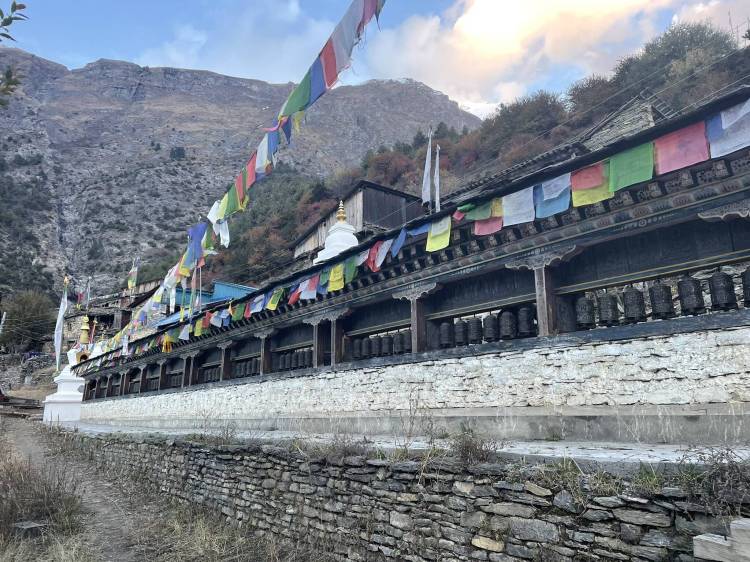
Another lasting memory is the visit of a monastery in Jhong, in Nepal’s Mustang region. One of the 5 monks living there kindly opened the long-closed ceremony room for us, and it felt like stepping into a living piece of history. After months of work, the wall paintings had been fully restored the day before by an artist from Leddar. Just in time for Lhabab Düchen (Buddha’s descent from heaven). The leftovers from the first proper ceremony held there in a long time were still spread out on the altar: offerings of butter candles, incense, chrysanthemum, and saffron water before ancient Buddha statues estimated to be around 600 years old. The wooden panels painted with deities and dragons glowed softly in the dim space, lit by only a few candles to preserve the art.

Final thoughts: fitness, going solo & slow travel
While I could feel my body demanding rest after 2 weeks, I expected this trek to be much more physically demanding in the process. I’m proud of taking it slow and going at my own pace at altitude, but also pushing a little when it was safe. It was fun to meet people from all over the world and different walks of life. I enjoyed the chats about lots of different topics in the tea houses in the evenings, but it was also reassuring to have another person with me to bounce ideas off in the beginning (shoutout to Hendra, who followed my plan with even less preparation). I could have saved me some anxiety if I didn’t listen too much to the guides who shared their (not always productive) thoughts on me going alone. With some common sense, enough time to acclimatize, and average fitness, this trek can definitely be done alone.
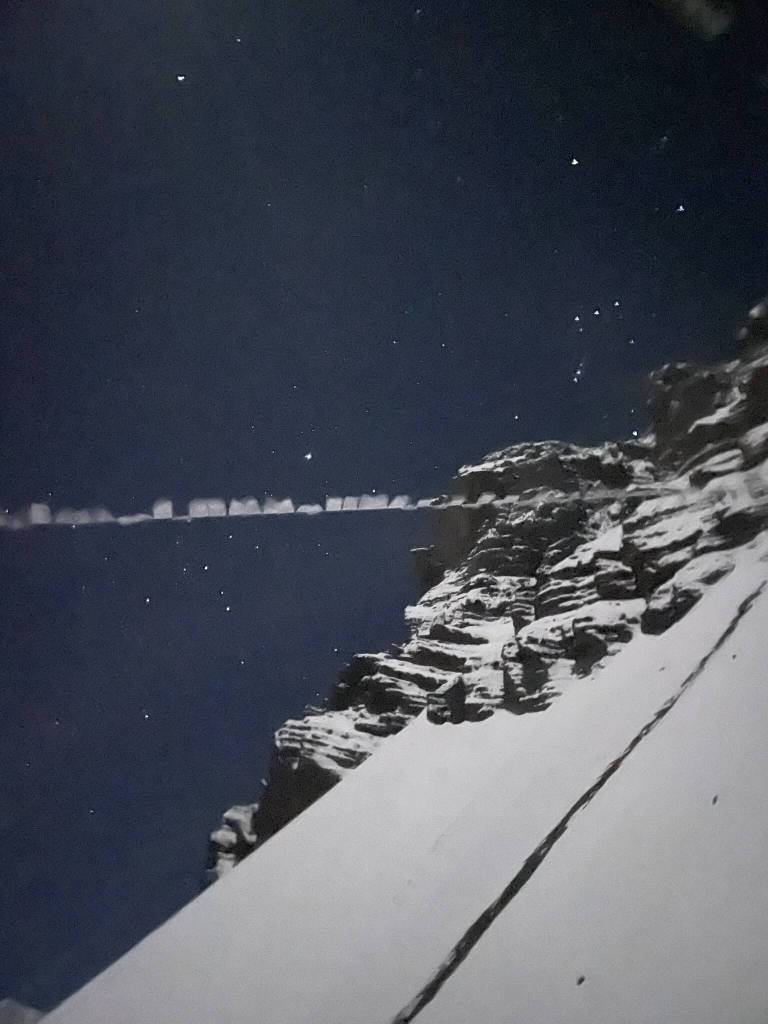
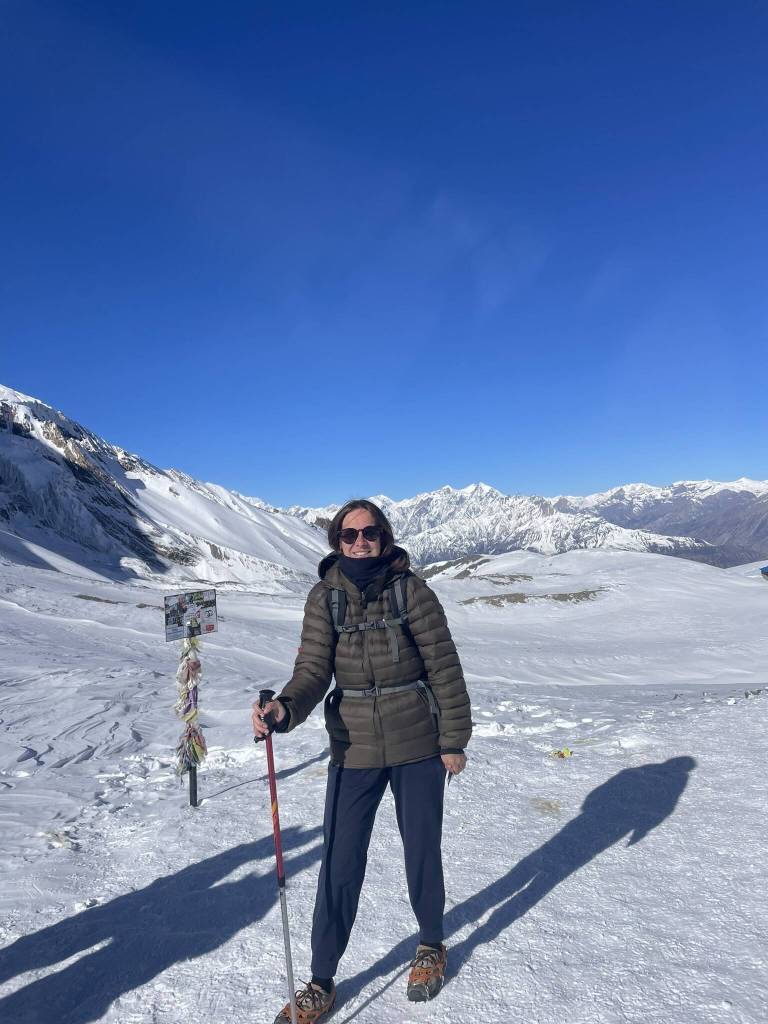
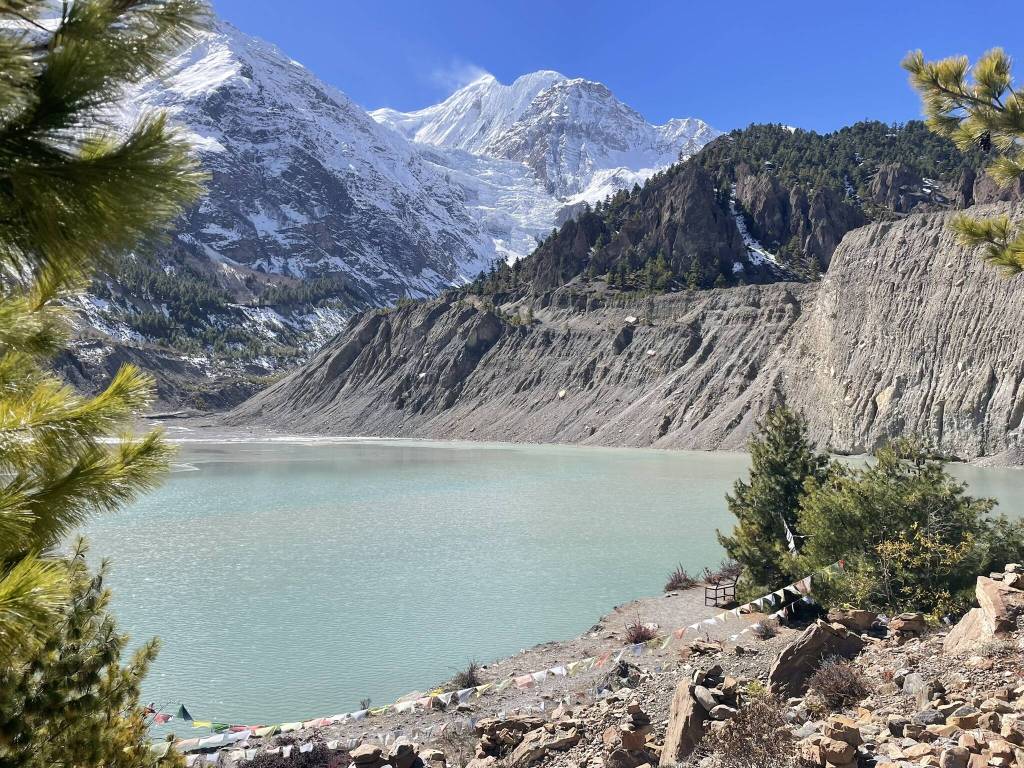
Guides are usually very friendly and happy to share their knowledge with anyone who shows interest — and sometimes their guests did not exactly seem to be the most interested people. (That’s how I ended up in eating Dal Bhat at a lovely grandma’s house near Dhumba Lake). I’ve heard from different trekkers that they wouldn’t have taken a guide if they knew it wasn’t legally required. Others said they really appreciated the reassurance and sense of safety the guide provided. And then there are the people who don’t have a lot of experience, and don’t seem to be interested in changing that. So without doing any further research, they put their lives in the hands of the guides, trusting they will act in their best interest. Luckily, most of the guides are acting responsibly, but I’ve also heard about instances where trekkers/guides were pushing limits to meet certain goals, and it ended in people getting altitude sickness and worse.
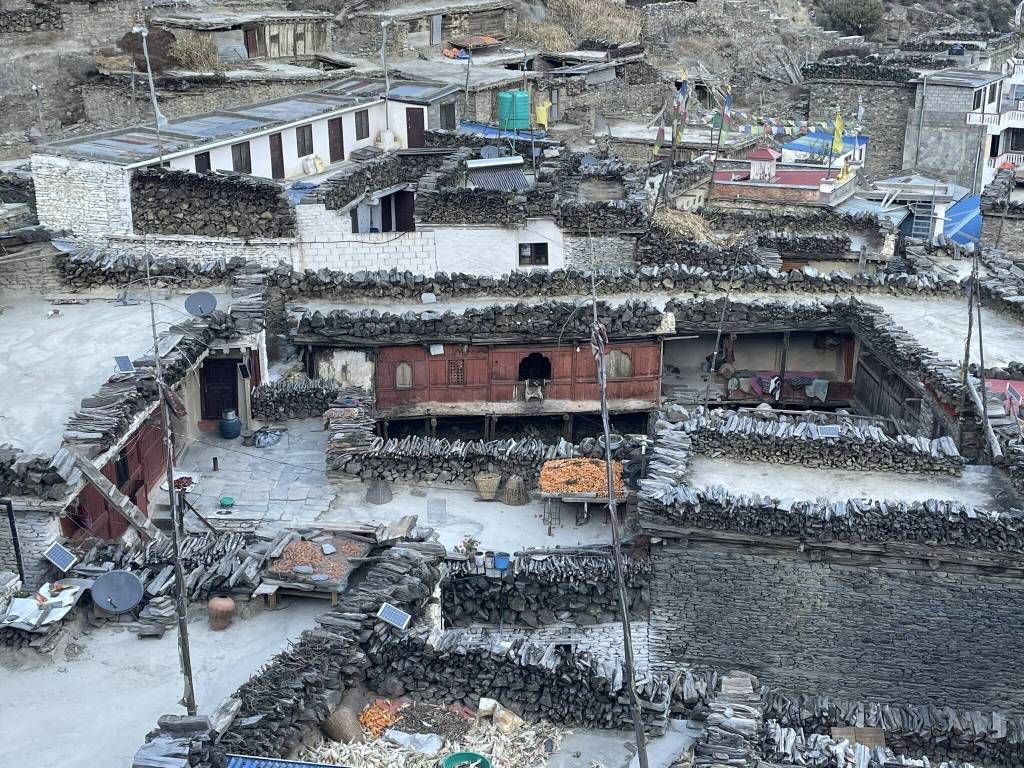
Trekking may look like the ultimate way of slow travel. However, constantly being on the move, not staying more than 1 night in most places, means limited time to dive deep in the local culture. Since I’ve gotten used to take it slower, staying in a city for a week or more, I sometimes got FOMO and felt rushed when passing cute villages. Another point is the comparing with other people. The numbers are interesting, however, things like pace, duration of the trek, etc. depend so much on outside conditions, it’s not always helpful and worth comparing. This also applies to choosing the route and where to stop. On the Annapurna Circuit route, the “highlight” is in the middle (Thorung La Pass at 5416m). Everyone can feel the excitement on the first part, as you gain altitude and get closer to the “summit”. Once back down in Muktinath, many people stop and totally skip the villages in Mustang. For me personally, those were actually some of the highlights and give me reason enough to return to Nepal for more treks and explorations.
 thattravelstory