
Japan – August 2025
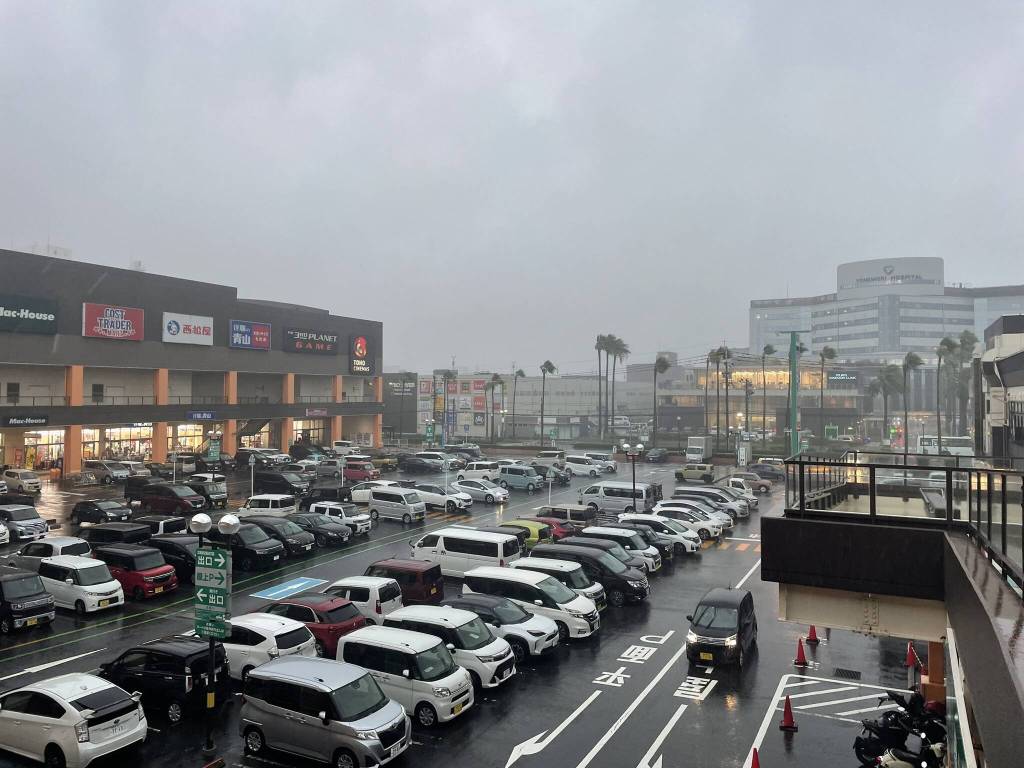
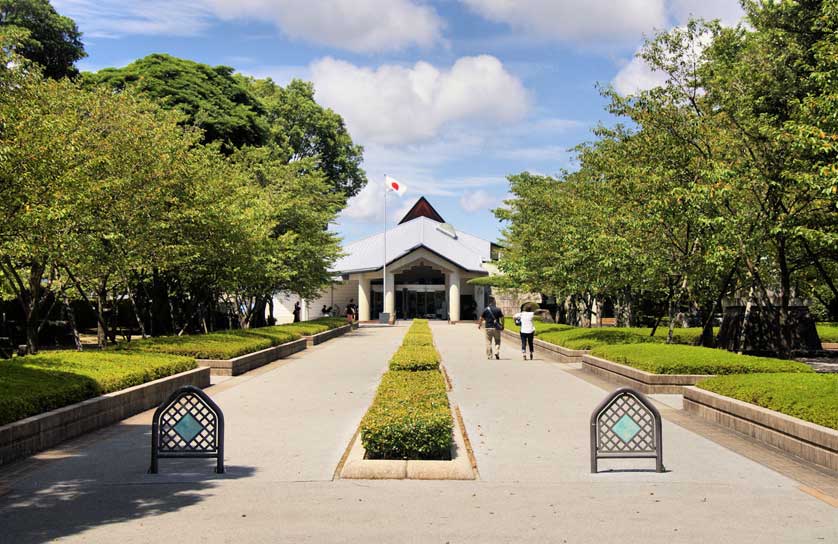
We arrive in Kagoshima in the middle of a typhoon. Rain sweeps sideways across the highway. Palm trees bend under the wind. Several roads south are blocked, and for a moment we are not sure whether we can even reach our destination: Chiran. We spend the night in the city, passing time with shopping and cooking (indoors, after a failed first attempt at a beachside lunch). On the second day, the weather brightens up a bit and we finally step into the Chiran Peace Museum for Tokko (Kamikaze) Pilots. It’s a place my friend wanted to visit for a while and as soon as he tells me about it, I know I need to go there. The museum stands on the grounds of the former Chiran Army Air Base. From here, in the final months of World War II, hundreds of young pilots depart on special attack missions toward Okinawa.
Inside, the museum is carefully arranged around the over 1000 individuals who departed to certain death from this exact place. Walls are lined with portraits. Row after row of young faces. Beneath each photograph: name, age, hometown, date of departure. Many are barely adults. The exhibitions preserve farewell letters, diaries, poems, uniforms, headbands, and personal objects. Then there is a short documentary movie showcasing a few of the more well-known stories and outside the main building, visitors can step into replicas of the triangular barracks where the pilots spent their final nights. Audio guides are available in English, helping international visitors understand both the historical context and the deeply personal nature of the exhibits.
Let me share 2 of the stories that stuck with me: One photograph becomes impossible to forget. It shows four teenage boys sitting on the ground, smiling as they play with a small dog. The image becomes famous after a news reporter visits the base and speaks with them the day before their departure. They look relaxed. Almost carefree. Like classmates lingering after school. The next day, they take off from Chiran on their suicide mission. And then there is a Korea-born pilot who was drafted into the airforce during his studies in Japan. He didn’t disclose his heritage to his commrades. But during the last meal, he asked if he may sing a song in his mothertounge. The next day, he departs from Chiran, giving his life for the country occupying his homeland.

The exhibition also gives some insights into why people joined this “Special Attack Force”. Officially, participation was voluntary. But what does choice mean in a collapsing war? If you were an air force pilot in 1945, survival already feels uncertain. Some reasoned that if death is likely anyway, it is better to strike decisively. To sink more enemy ships at once, to ensure that one’s death has meaning. Many pilots focused intensely on the quality of their aircraft. Not because they expected to return, but because mechanical failure meant missing the target. A faulty engine meant dying without fulfilling the mission. Others believed wholeheartedly in the propaganda to be saving the motherland and their families. Many pilots would wear “hachimaki”, white headbands marked with the rising sun or slogans such as Hisshō (“certain victory”). The headband symbolizes determination and spiritual readiness.

The pilots spent their final evening in what became known as the Triangle Barracks. Many didn’t sleep early. Staying awake delayed the morning, because morning meant departure. They also often avoided comforting crying comrades. Perhaps acknowledging someone else’s fear would have made their own impossible to suppress. To me, a Swiss person, it’s almost incomprehensible how patriotism, fear, loyalty, and social expectation intertwined and lead people to make the choices they made. I very much relate to the survivors, the lucky ones with technical issues and “the cowards” who didn’t complete their mission. In a video interview, one says that in his final moments before turning back, he only thought of his family. Not of empire. Not of strategy. Just of home.
Another one had to turn back due to a faulty plane and speaks of lifelong guilt for not dying alongside his friends. In a movie we watched after the museum visit (空よ海よ息子たちよ, Japanese only), there are also multiple scenes of pilots circling above their hometown on the way to Okinawa, or stop briefly at Mount Kaimon before heading south. A last glance at the landscape they know. And the people at home thought of them too – if they knew about their son’s/father’s/husband’s mission. There are also stories of devastating devotion. Including a woman who drowns herself and her children so her husband who used to train pilots can join the special attack force himself without hesitation.

And then there are the people at the base who did their best to support the young men in whatever way they could. Among the civilians is Tome Torihama, who run the Tomiya Shokudō near the airfield. The young pilots ate at her restaurant in the days before departure. She listened to them, wrote letters on their behalf, kept their secrets, and treated them like sons. Many later called her the “Mother of the Kamikaze.” Also offering encouragement were the mechanics preparing the pilot’s aircraft, and the young girls from nearby highschools recruited to act as moral supporters. So those missions were not a secret, still, no one at Chiran ultimately stopped the program. Fed by belief, duty, fear, and powerlessness, Tokko pilots continued to sink US Navy ships in Okinawa until the war ended.

On the day Japan announced its surrender in 1945, the naval officer most associated with organizing the formal special attack strategy, Takijiro Onishi, commited ritual suicide in Tokyo. In his final note, he apologized to the young pilots and wrote that no one should ever again be asked to give their life for the nation in such a way. Because in the end, such sacrifice benefits only the opponent. Standing in Chiran, surrounded by the faces of the teenage boys he sent off to death, I really didn’t know what to think of this statement. Resentment, cause he should have thought so earlier? Anger, cause in the end it still seems to be about the county and not the young men’s lives? The memorial museum is definitely providing a lot of food for thought as we continue our journey around Kagoshima and Kyushu.

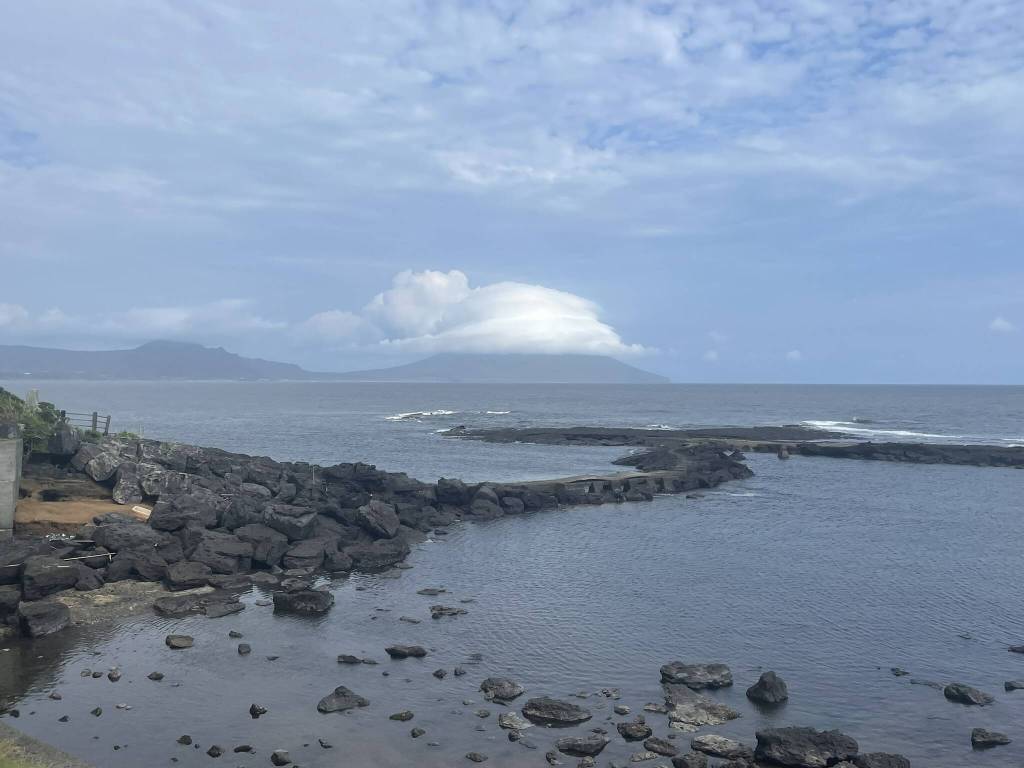
Once we leave Chiran, we continue to the very south of the island. After a detour to look at Mount Kaimon from a little closer, we find a beautiful free campsite called “Hinokami Camping Ground”. We pitch our tents right at the coastline and after a refreshing shower discuss our impression of the museum over dinner. The next day, the weather is finally clearing up properly and we head back to Kagoshima City, just in time for the annual firework festival. While marvelling at Sakurajima and the colourful explosions at night, I can’t help but reminisce on the fact that there were probably Kagoshima-born Tokko pilots who turned north to catch this view one last time before departing for Okinawa. What a privilege to be able to enjoy this view without the fear of imminent death and choosing what tomorrow will bring.

Read more about another eventful journey to Kagoshima here.
 thattravelstory