Bolivia – March 2019
Bolivia is not a destination I would recommend to inexperienced globetrotters. Communication without knowledge of Spanish (or Quechua) can be quite challenging and transportation by public transport is exhausting. Perhaps this is the reason, (in 2018) one can only find information online about the world-famous places such as La Paz, Lake Titicaca, Sucre and the Uyuni salt desert. Each of which is several hundred kilometers away from the others. So it is thanks to a group of Argentinian hippies who point me to Samaipata, a place in the mountains near Santa Cruz.

As expected, however, there is not much information on how to get there. So I decide to follow the hippies’ instructions, who say there is a shared cab stop just outside the city center. The vehicles leave in the morning when they are full. So (as always in Bolivia) I have to plan enough time. I set off early and only find 1 Bolivian and a German couple at the meeting point. So we wait quite a while until 2 more passengers arrive.
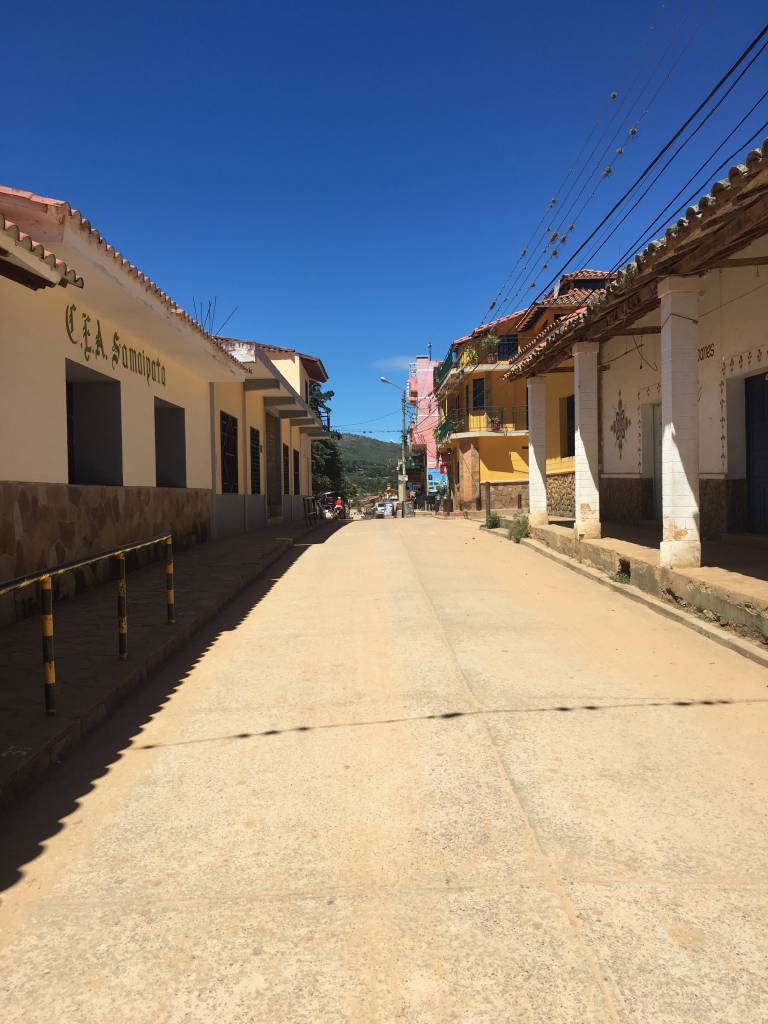
Then we set off on a wild ride along country roads that are well maintained at first and then later on less busy. On the way, I chat with my German fellow travelers about our respective travel experiences and our next plans. Meanwhile, the surrounding landscape becomes greener and greener. We finally arrive in Samaipata around midday. The colectivo stops in the deserted main square. The German couple and I are now starving, and we all still have the search for accommodation ahead of us.
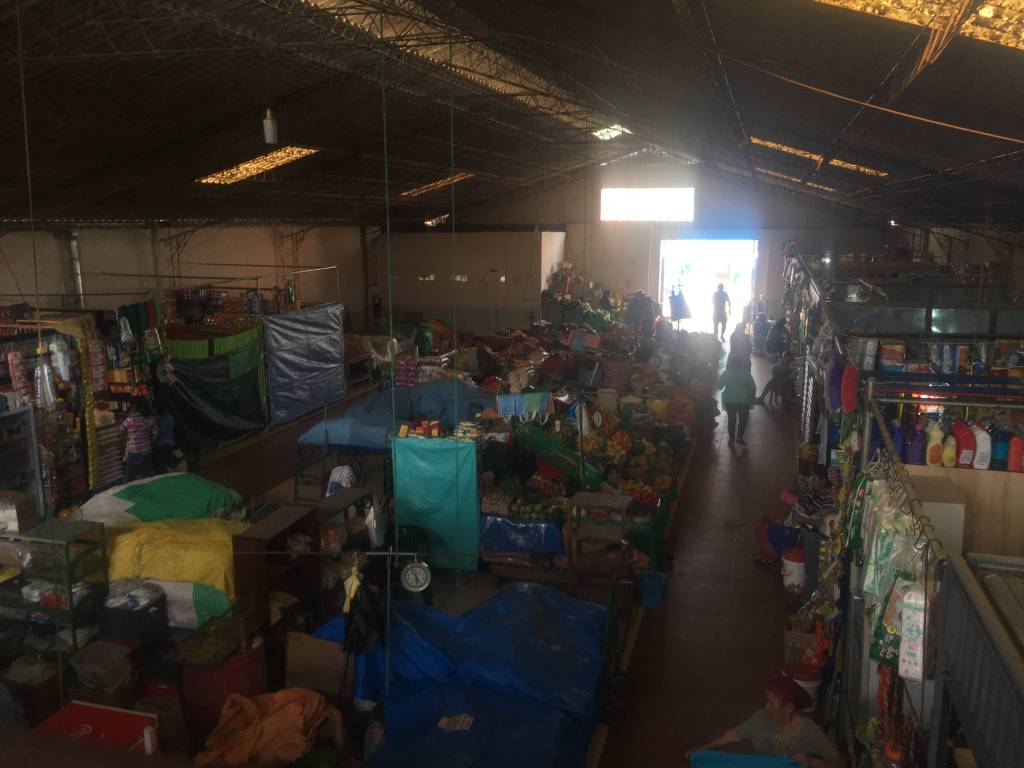
So we sit down on the terrace of the first restaurant we find and order an omelette and beer. While we are waiting for our food, a Bolivian woman approaches us and asks in Spanish for some change for the colectivo to Santa Cruz. I translate for the Germans and reach for my wallet (the journey costs the equivalent of 4 euros). But my fellow travelers say that I should please tell the woman that they don’t have any money because they are travelling. How am I supposed to convey this?
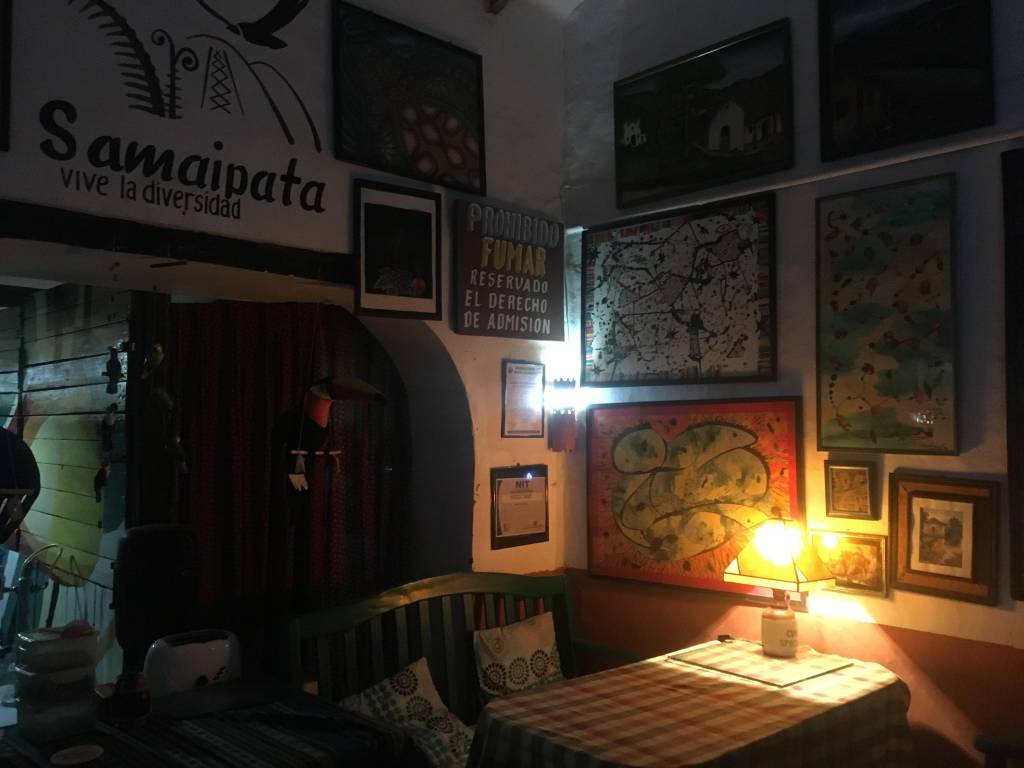
The explanation doesn’t fail because of the vocabulary, it’s much more the audacity behind it. Of course, I understand that as a traveler, you have a budget and have worked hard for the money you have saved. But imagine from the point of view of the woman from Samaipata that the 3 white people — who obviously flew halfway around the world by plane — say: “Sorry, we don’t have any money ourselves”. So I opt for the second option and give her the few Bolivian coins I have without comment. After all, I do the same at home when someone asks for change for the bus.
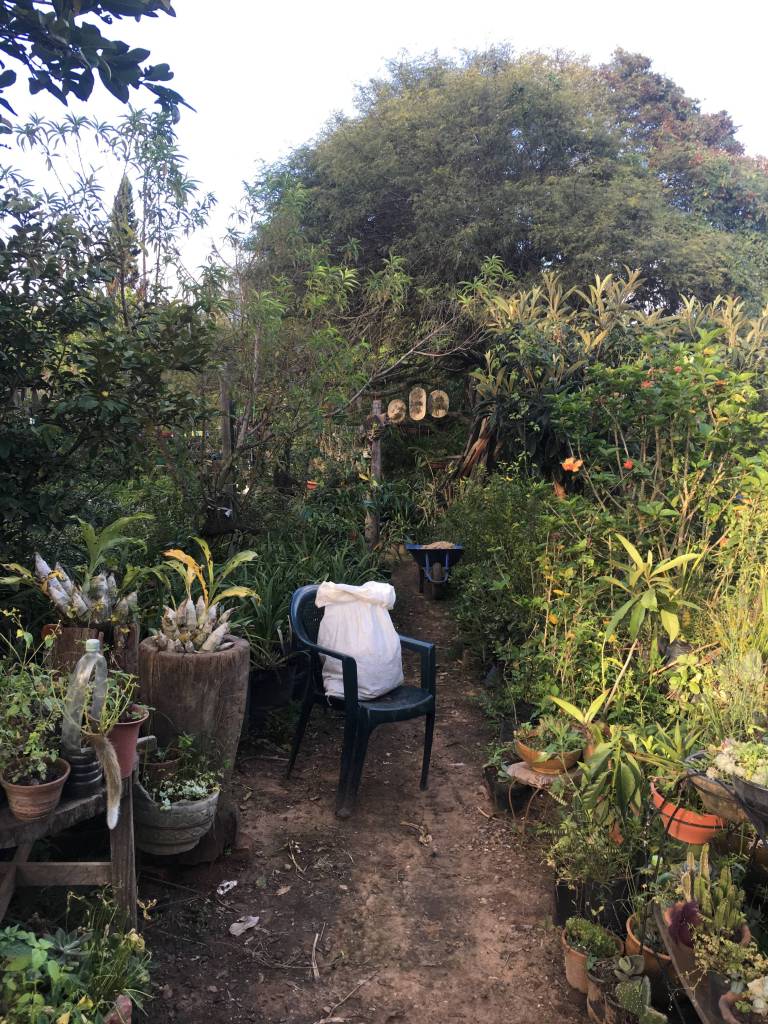

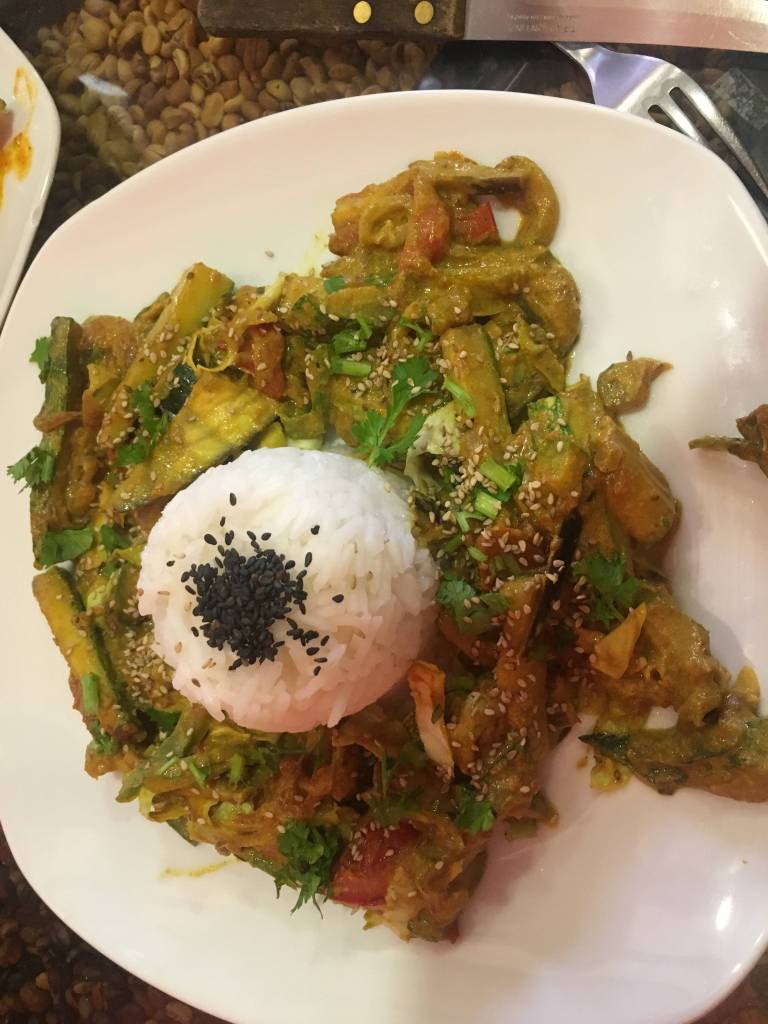
Shortly after lunch, I say goodbye to the German couple and set off down the empty streets of the small town in search of a hostel. Only at the 3rd place is there actually someone at reception. The helpful Argentinian volunteer Pedro shows me the dormitory where there is still a bed available for the next two nights. I pay in advance and then introduce myself to Manon, who is also from Switzerland and has been in Samaipata for a few days. Together we take a walk through the small town in the afternoon and have dinner in one of the hip vegetarian/vegan restaurants in the evening. Back at the hostel, we have an interesting conversation with Pedro and he tells us that he occasionally helps out (also on a voluntary basis) at a small animal sanctuary just outside the town.
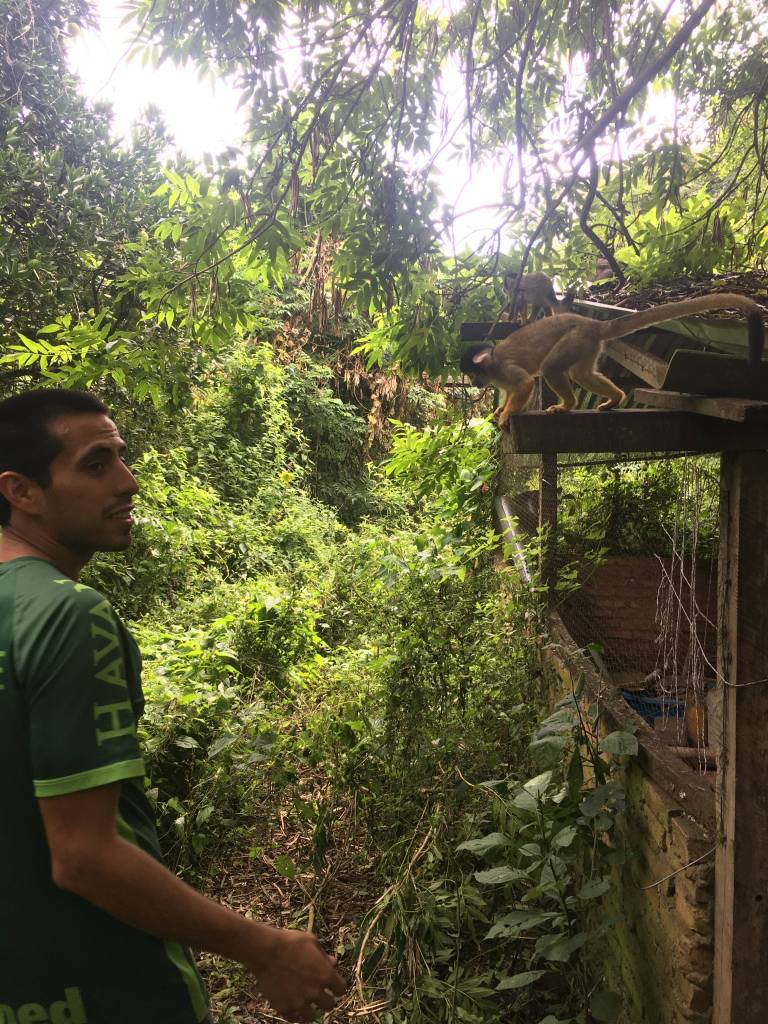
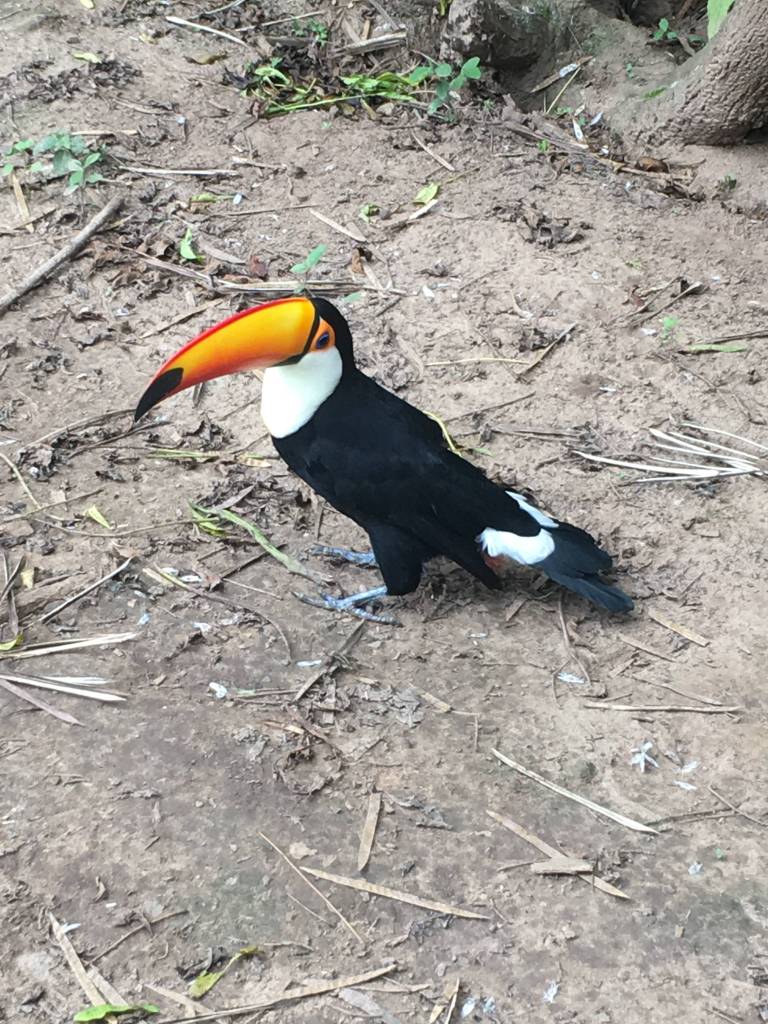
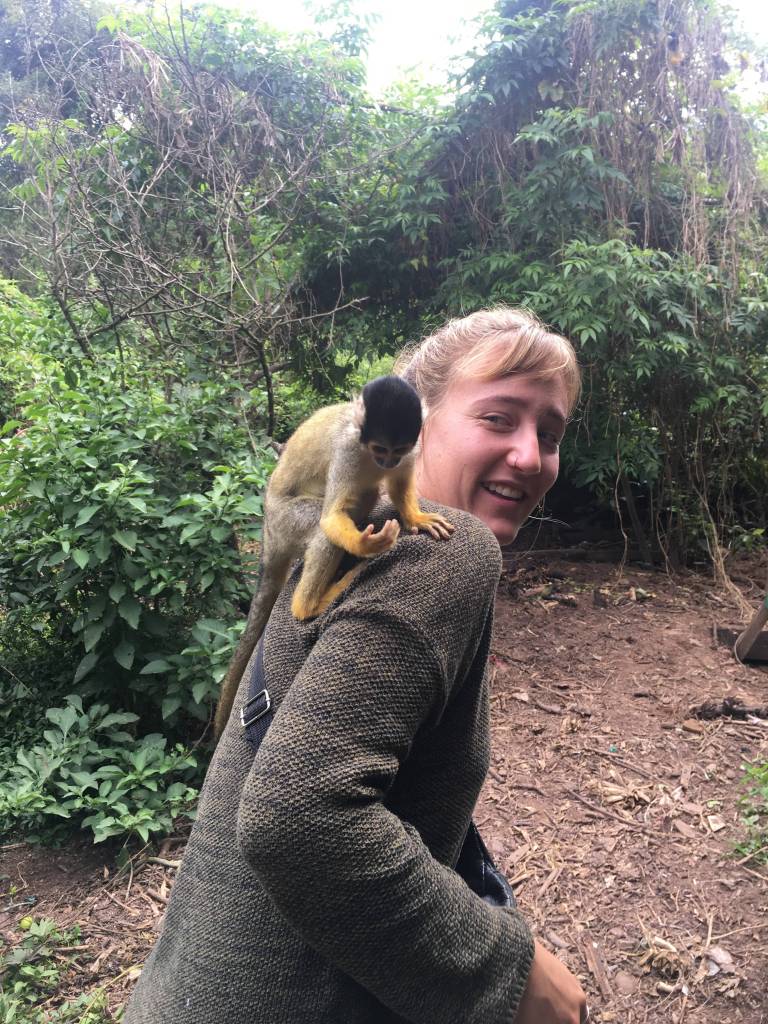
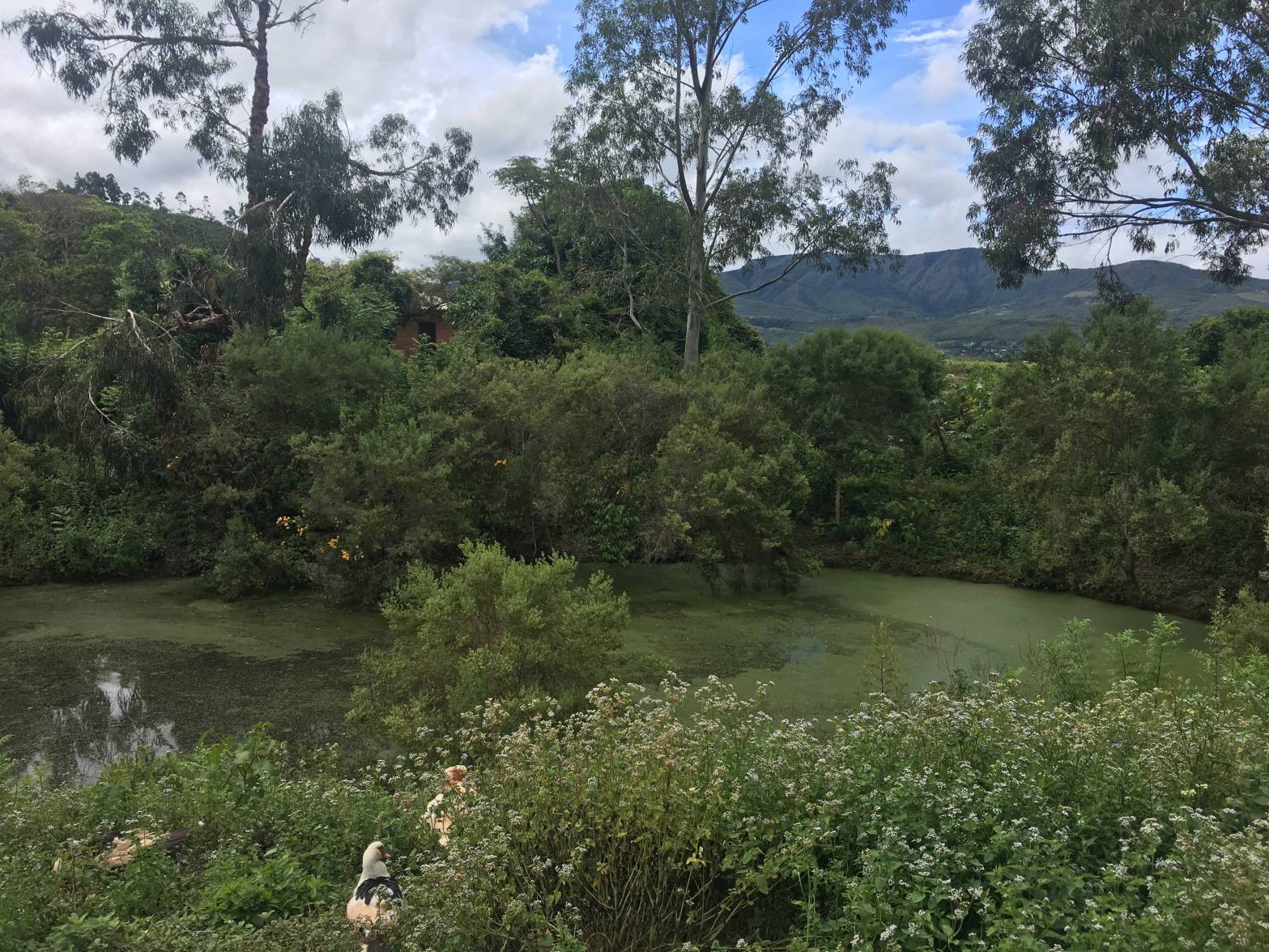
The next day, he takes us with him and shows Manon and me the facility and its inhabitants. The “zoo” is open to visitors and some of the rescued animals roam freely around the grounds. Because they already know Pedro, some of the monkeys and a toucan approach us very trustingly. But then he wants to show us something very special: a tree house from which you have a fantastic view of the surrounding mountains. To get there, however, you have to cross the pasture with the alpacas. For fear of being spat at, Manon and I run the distance. Pedro laughs at us, but then willingly helps us climb the tree in whose crown the wooden house is located.
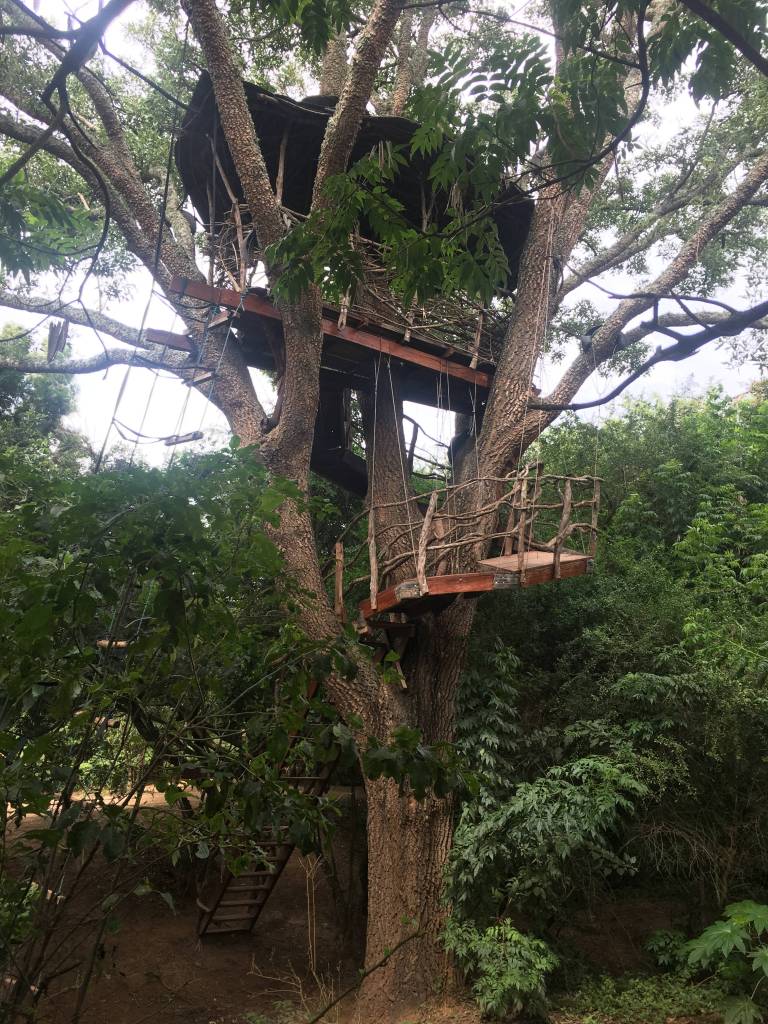
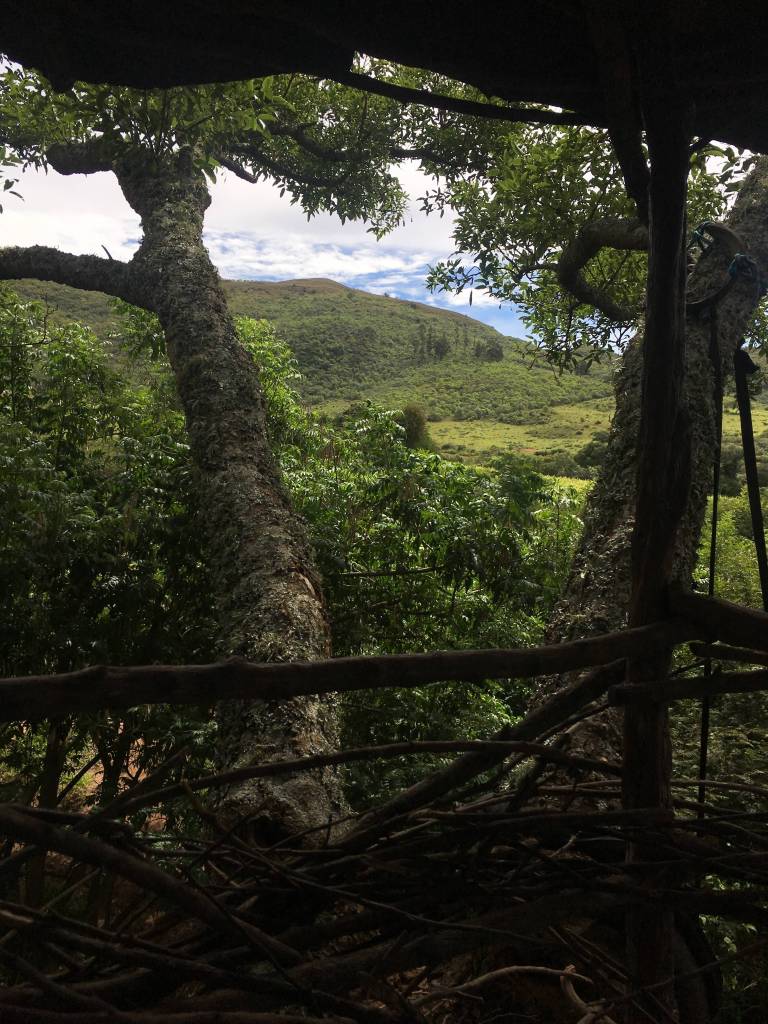
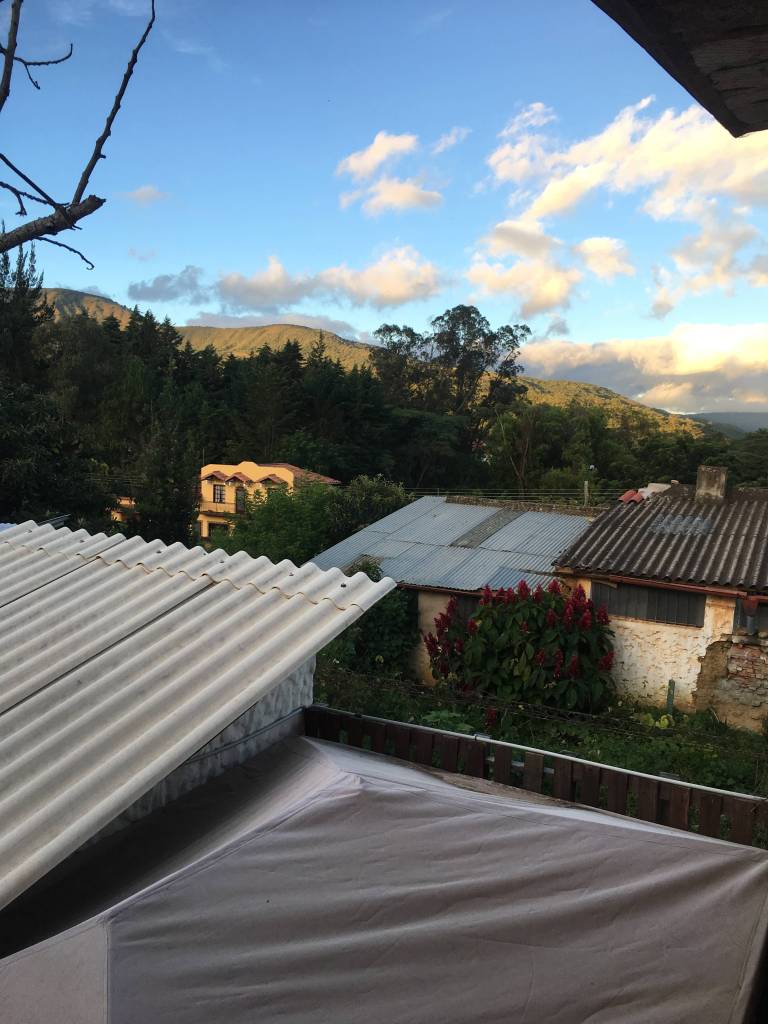
The view is truly unique and we would love to spend the night here. Unfortunately, this is not possible and so we walk back to the town center shortly before sunset. There is a party with live music in a bar there today and we enjoy a few beers. I wake up the next day with a swollen eye. Manon and Pedro laugh and think it’s probably a symptom of my hangover. I doubt that, because I’m actually doing quite well otherwise. My guess is that one of the many mosquitoes has been at work on my eyelid during the night.
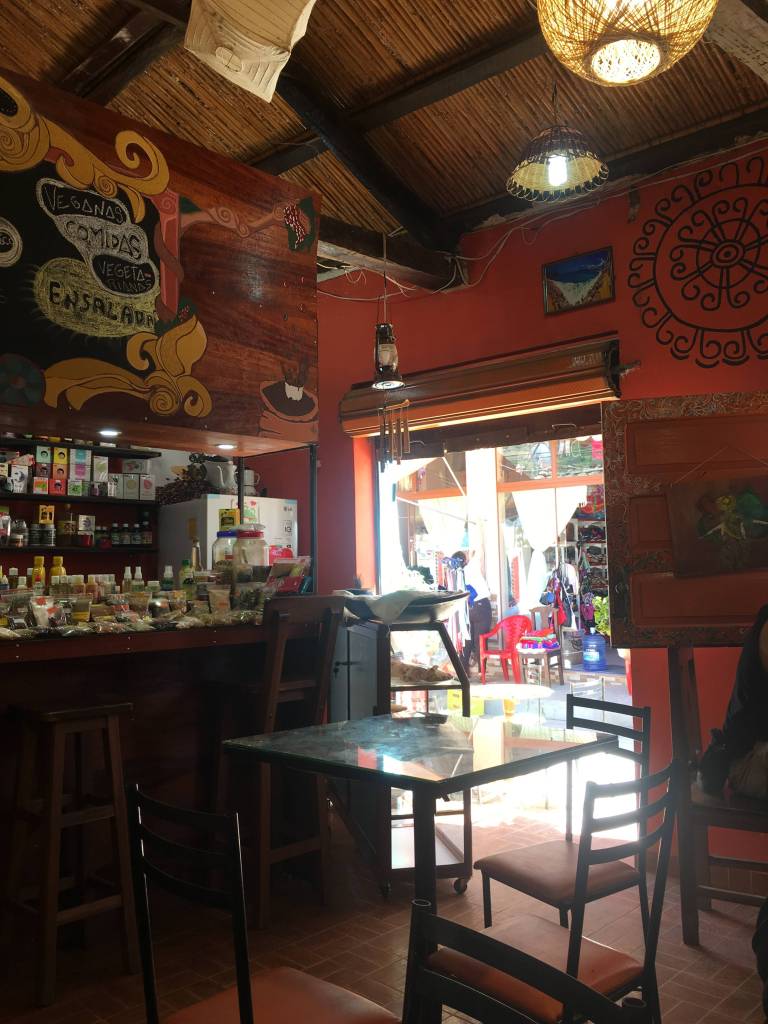
Both Manon and I check out today. She’s going on to Santa Cruz at lunchtime and I’m taking the night bus to Sucre. I spend the afternoon alone in the numerous restaurants and am told that Samaipata is a popular vacation spot for many wealthy Bolivians. I can see the appeal of the place and hope to return one day to visit the “Cloud Forest”. Even if the journey there and back is quite an adventure. On my last evening, shortly before I head to the bus departure point, I hear the following story:
Some girls who were traveling from Sucre on the night bus were woken up in the middle of the night and asked to get off. The reason for the stop was that a tire had caught fire due to the continuous braking on the downhill stretch. It took a good hour to extinguish the fire and change the wheel. Then it was time to get on board and continue the journey. The ceiling of another passenger’s bus was so damaged that it dripped down on him the whole time during a rainy night.
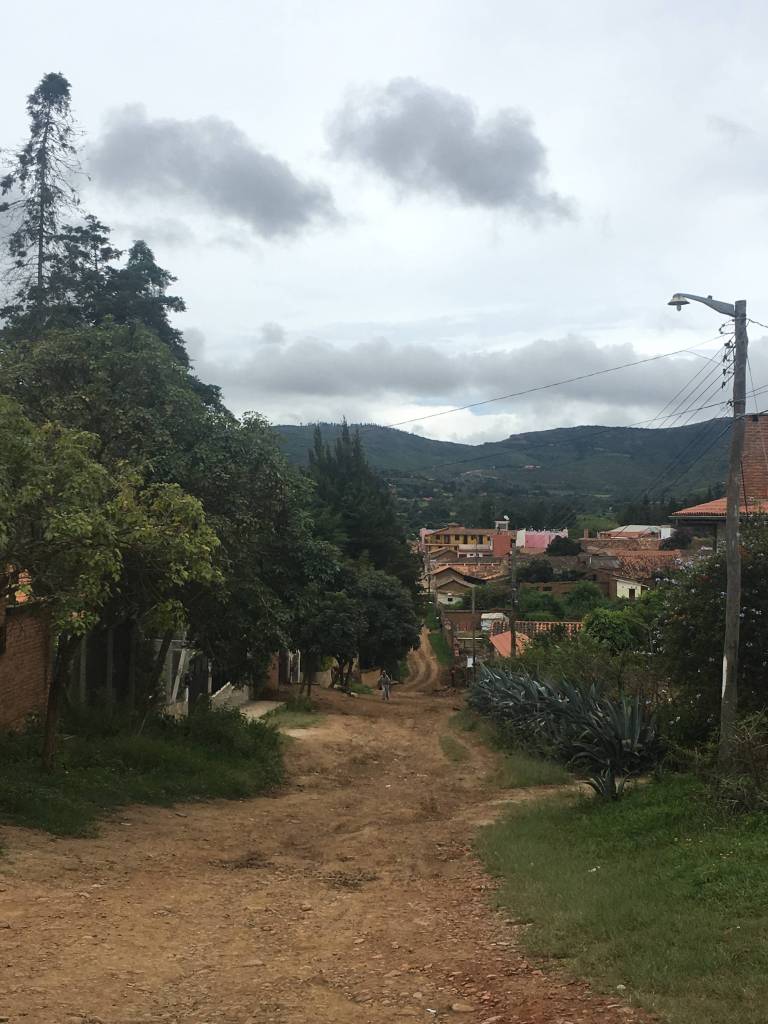
But unfortunately, there are no alternatives, so at around 10 p.m. I make my way to the main road with my luggage. A restaurant there acts as an unofficial bus terminal, where I had already bought my ticket in the morning. The business model works, and some waiting passengers are persuaded to have a meal before departure. I’m still full, after all, I’ve spent the last few days mainly eating. So I sit down on a bench outside, next to 2 Bolivians.
In Spanish, they make fun of the tourists boarding the brand-new bus, which is wallpapered with pictures of typical Bolivian sightseeing spots. They are also sure that I will take the bus too. I politely join in the conversation in Spanish and inform them that I am taking the later connection to Sucre. Very surprised, but not at all embarrassed, they then ask questions about me and my journey. I tell them and say, when they want to know my name: “Jana, like the color black in Quechua.”
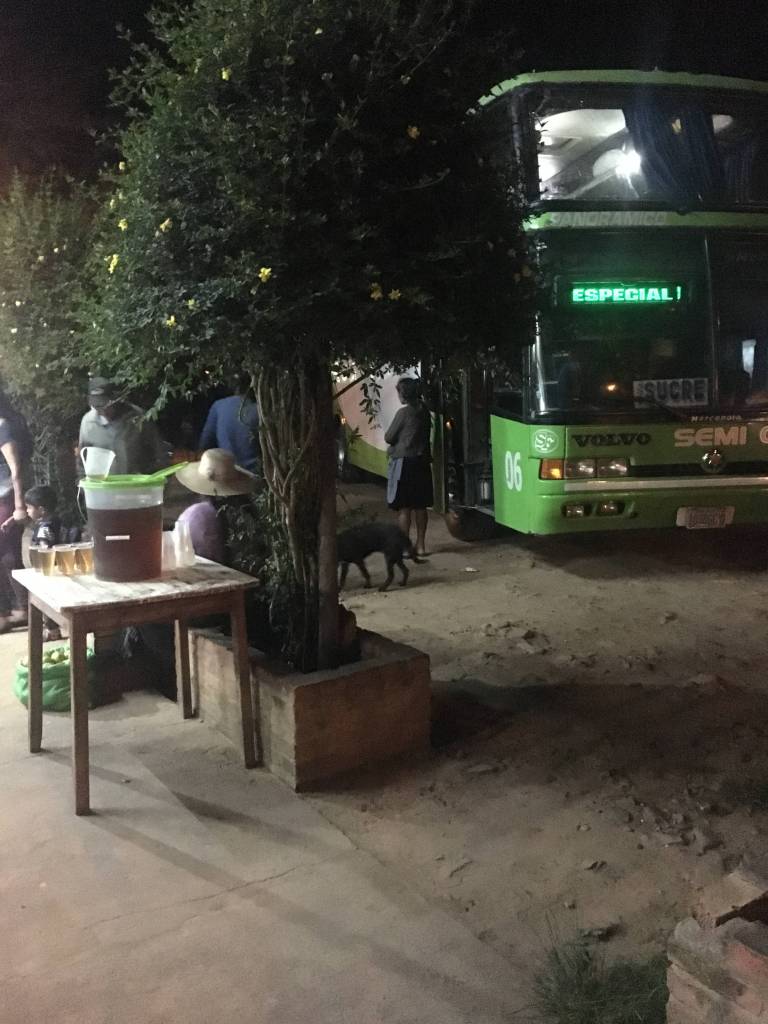
Then my bus arrives, and I laugh as I say goodbye to the two men, who remain sitting with their mouths open. Luckily, my journey is uneventful compared to the stories I’ve heard before, and I even get some sleep.
 thattravelstory
A fabulous read, people and places coming together to create adventure.
LikeLike